1. Specifications Comparison
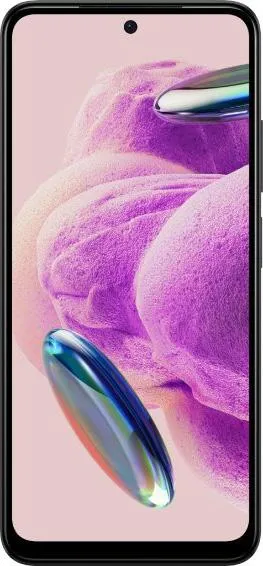
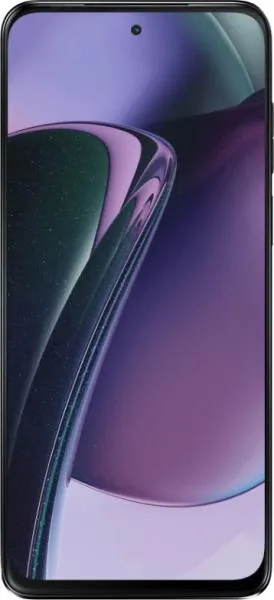
| Feature | Xiaomi Redmi Note 12S | Motorola Moto G Stylus 5G (2023) | Practical Impact |
|---|---|---|---|
| Design | |||
| Dimensions (mm) | 159.9 x 73.9 x 8.1 | 162.8 x 73.8 x 9.2 | Moto G Stylus is slightly larger and thicker. Redmi is more pocketable. |
| Weight (g) | 176 | 202 | Redmi is noticeably lighter, reducing hand fatigue. |
| Stylus | No | Yes | Moto G Stylus offers precise input for note-taking and drawing. |
| Display | |||
| Type | AMOLED, 90Hz | IPS LCD, 120Hz | Redmi offers richer colors and deeper blacks, Moto G Stylus has smoother scrolling and animations. |
| Size (inches) | 6.43 | 6.6 | Moto G Stylus has a slightly larger screen for media consumption. |
| Resolution | 1080 x 2400 | 1080 x 2400 | Identical resolution, sharpness is comparable. |
| Refresh Rate (Hz) | 90 | 120 | Moto G Stylus provides a smoother user experience, especially in gaming. |
| Peak Brightness (nits) | 1000 | Not specified | Redmi's higher peak brightness ensures better outdoor visibility. Missing Moto G Stylus peak brightness limits comparison. |
| Performance | |||
| Chipset | Mediatek Helio G96 (12 nm) | Qualcomm Snapdragon 6 Gen 1 (4 nm) | Snapdragon 6 Gen 1 offers significantly better performance and efficiency. |
| CPU | Octa-core (2x2.05 GHz A76 & 6x2.0 GHz A55) | Octa-core (4x2.2 GHz A78 & 4x1.8 GHz A55) | Moto G Stylus has a more powerful CPU architecture, resulting in faster app loading and multitasking. |
| GPU | Mali-G57 MC2 | Adreno 710 | Adreno 710 provides superior graphics performance for gaming. |
| RAM (GB) | 6/8 | 6/8 | Comparable RAM options. |
| Storage (GB) | 128/256 | 128/256 | Comparable storage options. |
| Camera | |||
| Main Camera (MP) | 108 | 50 | Redmi boasts higher resolution, Moto G Stylus utilizes pixel binning for potentially better low-light performance. |
| Optical Stabilization | No | Yes | Moto G Stylus offers superior video stability. |
| Video Recording | 1080p@30fps | 4K@30fps | Moto G Stylus can record higher resolution video. |
| Battery | |||
| Capacity (mAh) | 5000 | 5000 | Identical battery capacity. Real-world battery life depends on usage and optimization. |
2. Key Differences Analysis
Xiaomi Redmi Note 12S Advantages:
- Brighter Display: Better visibility in direct sunlight.
- More Compact and Lighter: Easier to handle and carry.
- Lower Price: Generally more affordable.
Motorola Moto G Stylus 5G (2023) Advantages:
- Significantly Better Performance: Smoother overall experience and better gaming capabilities.
- Higher Refresh Rate Display: Smoother scrolling and animations.
- Stylus Support: Enables note-taking and drawing.
- 5G Connectivity: Faster data speeds in areas with 5G coverage.
- Optical Image Stabilization: Significantly improved video quality.
- Higher Resolution Video Recording: Captures more detail.
Trade-offs:
- Redmi Note 12S sacrifices performance and features for a lower price and smaller form factor.
- Moto G Stylus 5G is larger and heavier due to the included stylus and larger battery.
3. User Profiles & Recommendations
Xiaomi Redmi Note 12S: Budget-conscious users who prioritize a bright display, compact design, and basic smartphone functionality. Suitable for everyday tasks like browsing, social media, and casual photography.
Motorola Moto G Stylus 5G (2023): Users who value performance, a smooth display, and stylus functionality. Ideal for mobile gaming, note-taking, content creation, and those who want 5G connectivity.
4. Decision Framework
Key Questions for Buyers:
- What is your budget? The Redmi Note 12S is generally more affordable.
- Is a stylus important to you? The Moto G Stylus is the only option with a built-in stylus.
- Do you prioritize performance or portability? The Moto G Stylus offers better performance, but the Redmi Note 12S is more compact and lightweight.
Scenario-Based Recommendations:
- Student on a budget: Redmi Note 12S
- Creative professional: Moto G Stylus 5G
- Mobile gamer: Moto G Stylus 5G
My Choice: Motorola Moto G Stylus 5G (2023)
While the Redmi Note 12S offers a compelling price, the Moto G Stylus 5G's superior performance, smoother display (120Hz), stylus functionality, and 5G connectivity make it a more versatile and future-proof device. The Snapdragon 6 Gen 1 provides a significant performance advantage over the Helio G96, ensuring a smoother user experience in demanding tasks and games. The addition of optical image stabilization is crucial for capturing steady videos. Although the Moto G Stylus is slightly larger and heavier, the benefits outweigh the minor compromises in portability for my personal needs. I prioritize performance and future-proofing over a slightly lower price.
