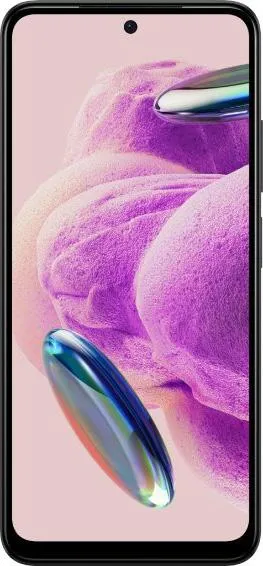
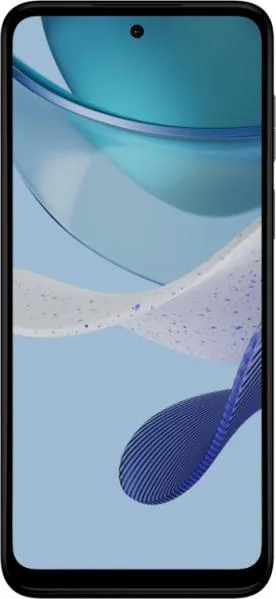
1. Specifications Comparison
| Feature | Xiaomi Redmi Note 12S | Motorola Moto G (2023) | Practical Impact |
|---|---|---|---|
| Design | |||
| Dimensions (mm) | 159.9 x 73.9 x 8.1 | 164 x 75 x 8.4 | Moto G is slightly larger and thicker. |
| Weight (g) | 176 | 189 | Redmi Note 12S is noticeably lighter. |
| Build Material | (Missing) | (Missing) | Cannot compare build quality. |
| Display | |||
| Display Type | AMOLED, 90Hz | IPS LCD, 120Hz | Redmi Note 12S offers deeper blacks and more vibrant colors; Moto G has a smoother refresh rate for certain content. |
| Display Size (inches) | 6.43 | 6.5 | Negligible size difference. |
| Resolution | 1080 x 2400 | 720 x 1600 | Redmi Note 12S has significantly sharper visuals due to higher resolution. |
| Pixel Density (PPI) | 409 | 270 | Text and images will appear crisper on the Redmi Note 12S. |
| Peak Brightness (nits) | 1000 | (Missing) | Redmi Note 12S likely offers better outdoor visibility, but cannot confirm without Moto G's peak brightness. |
| Performance | |||
| Chipset | Mediatek Helio G96 (12nm) | Snapdragon 480+ 5G (8nm) | Snapdragon 480+ 5G offers better power efficiency due to smaller process node and likely better overall performance despite lower clock speeds. |
| CPU | Octa-core (2x2.05 GHz A76 & 6x2.0 GHz A55) | Octa-core (2x2.2 GHz Kryo 460 & 6x1.8 GHz Kryo 460) | CPU performance differences likely negligible in everyday tasks, though benchmarks would provide more clarity. |
| GPU | Mali-G57 MC2 | Adreno 619 | Adreno 619 generally provides better gaming performance than Mali-G57 MC2. |
| RAM | 6GB/8GB | 4GB | Redmi Note 12S offers more RAM options for better multitasking. |
| Camera | |||
| Main Camera (MP) | 108 | 48 | Redmi Note 12S boasts higher resolution, potentially capturing more detail, but real-world image quality depends on sensor and processing. |
| Other Cameras | 8MP ultrawide, 2MP macro, 16MP selfie | 2MP macro, 8MP selfie | Redmi Note 12S has a dedicated ultrawide lens. Moto G has a lower resolution selfie camera. |
| Video Recording | 1080p@30fps | 1080p@30fps | Similar video recording capabilities. |
| Battery | |||
| Capacity (mAh) | 5000 | 5000 | Similar battery capacity, but actual battery life depends on optimization and usage. |
| Charging Speed | Missing | Missing | Cannot compare charging speeds. |
| Other | |||
| NFC | Yes | No | Redmi Note 12S supports contactless payments and data transfer via NFC. |
| 5G | No | Yes | Moto G offers 5G connectivity for faster data speeds where available. |
2. Key Differences Analysis
Redmi Note 12S Advantages:
- Superior Display: AMOLED with higher resolution and pixel density for a more visually appealing experience.
- More RAM: Better multitasking and potentially smoother performance with 6GB or 8GB options.
- Higher Resolution Main Camera: Potential for more detailed photos.
- Ultrawide Camera: Offers a wider field of view for capturing landscapes and group photos.
- NFC: Enables contactless payments and data transfer.
Moto G (2023) Advantages:
- Higher Refresh Rate Display: Smoother scrolling and animations, particularly noticeable in games and fast-paced content.
- 5G Connectivity: Future-proof with access to faster data speeds.
- Potentially Better GPU: Adreno 619 might offer a slight edge in gaming performance.
- Lower Price: Generally more affordable, especially the 4GB/128GB variant.
3. User Profiles & Recommendations
Redmi Note 12S: Users who prioritize display quality, camera versatility, and NFC functionality. Ideal for multimedia consumption, mobile photography, and contactless payments.
Moto G (2023): Budget-conscious users who prioritize 5G connectivity and a smooth display experience. Suitable for everyday tasks, web browsing, and casual gaming.
4. Decision Framework
Key Questions:
- Is 5G connectivity crucial? If yes, the Moto G is the only option.
- How important is display quality? The Redmi Note 12S offers a superior visual experience.
- What is your budget? The Moto G is generally more affordable.
Scenario-Based Recommendations:
- Heavy multimedia user: Redmi Note 12S.
- Budget gamer with 5G needs: Moto G (2023).
- User prioritizing contactless payments: Redmi Note 12S.
My Choice: Xiaomi Redmi Note 12S
While the Moto G (2023) offers 5G and a 120Hz refresh rate, the significantly better display and overall more well-rounded feature set of the Redmi Note 12S make it the more compelling device for me. The AMOLED screen with higher resolution is a major deciding factor, as I prioritize a visually immersive experience. NFC is essential for my daily use, and the extra RAM in the Redmi Note 12S ensures smoother multitasking. While I acknowledge the benefits of 5G, its availability and practical impact on my current usage are limited. Therefore, I would choose the Xiaomi Redmi Note 12S.
