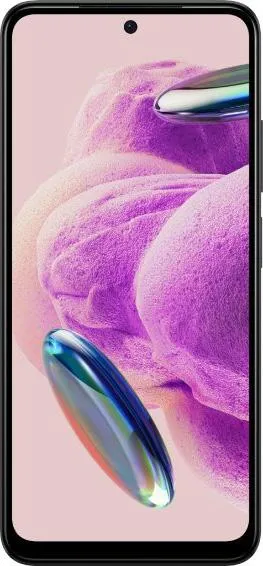
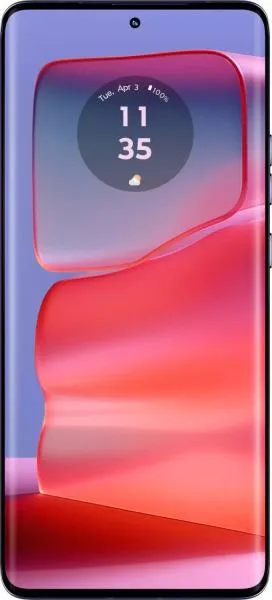
1. Specifications Comparison
| Feature | Xiaomi Redmi Note 12S | Motorola Edge 50 Pro | Practical Impact |
|---|---|---|---|
| Design | |||
| Dimensions (mm) | 159.9 x 73.9 x 8.1 | 161.2 x 72.4 x 8.2 | Negligible size difference; both feel similar in hand. |
| Weight (g) | 176 | 186 | Redmi is slightly lighter, but the difference is minimal. |
| Display | |||
| Display Type | AMOLED, 90Hz | p-OLED, 144Hz | Motorola offers smoother scrolling and animations with a higher refresh rate and potentially better color accuracy due to 1B colors (vs. no color depth info for Redmi). |
| Display Size | 6.43" | 6.7" | Motorola has a slightly larger screen for more immersive content consumption. |
| Resolution | 1080 x 2400 | 1220 x 2712 | Motorola offers a sharper display due to higher resolution. |
| Peak Brightness | 1000 nits | 2000 nits | Motorola's display will be significantly more visible in direct sunlight. |
| HDR | No information available | HDR10+ | Motorola supports HDR content for a wider dynamic range and richer colors. |
| Performance | |||
| Chipset | Mediatek Helio G96 (12nm) | Snapdragon 7 Gen 3 (4nm) | Snapdragon 7 Gen 3 offers significantly better performance and power efficiency due to a smaller manufacturing process node and newer architecture. |
| CPU | Octa-core (2x2.05 GHz A76 & 6x2.0 GHz A55) | Octa-core (1x2.63 GHz A715 & 4x2.4 GHz A715 & 3x1.8 GHz A510) | Motorola has a more powerful and efficient CPU architecture, leading to better multitasking and app performance. |
| GPU | Mali-G57 MC2 | Adreno 720 | Motorola's Adreno 720 GPU provides a considerable performance boost for gaming and graphically demanding tasks. |
| RAM | 6GB/8GB | 12GB | Motorola offers more RAM for smoother multitasking and less frequent app reloading. |
| Camera | |||
| Main Camera | 108MP | 50MP | While Redmi has higher resolution, Motorola's larger pixel size (2.00µm vs 0.70µm) might deliver better low-light performance. Sensor model information missing for Motorola makes a definitive conclusion difficult. |
| Video Recording | 1080p@30fps | 4K@30/60fps, 1080p@30/60/120fps | Motorola provides significantly more versatile video recording options with higher resolution and frame rates. |
| Battery | |||
| Capacity | 5000 mAh | 4500 mAh | Redmi has a larger battery capacity, potentially offering longer battery life. However, real-world usage will depend on optimization and the more power-efficient chip in the Motorola. |
| Charging Speed | No information available | No information available | Charging speed comparison is impossible without specific data. |
2. Key Differences Analysis
Motorola Edge 50 Pro Advantages:
- Significantly better performance: The Snapdragon 7 Gen 3 chip, coupled with more RAM, delivers a superior experience for demanding tasks and gaming.
- Smoother and brighter display: The 144Hz p-OLED display with HDR10+ and higher peak brightness provides a visibly better experience.
- More versatile camera: Offers 4K video recording and a potentially better low-light performance despite a lower resolution main sensor.
- More modern connectivity: Supports newer WiFi standards (up to WiFi 7) and Bluetooth 5.4.
Xiaomi Redmi Note 12S Advantages:
- Potentially longer battery life: The 5000mAh battery could provide longer usage time, though this depends on real-world usage.
- Lower price: Generally available at a lower price point.
Trade-offs:
- The Redmi Note 12S sacrifices performance, display quality, and camera versatility for a potentially longer battery life and lower price.
- The Motorola Edge 50 Pro has a slightly smaller battery but offers superior performance and features.
3. User Profiles & Recommendations
Xiaomi Redmi Note 12S: Budget-conscious users who prioritize battery life for basic tasks like calling, texting, browsing, and social media.
Motorola Edge 50 Pro: Users who value performance, a high-quality display, and versatile camera capabilities for gaming, content creation, and demanding applications.
4. Decision Framework
Key Questions:
- What is your budget? The Redmi is significantly more affordable.
- What are your primary smartphone usage patterns? For basic tasks, the Redmi suffices. For demanding tasks and gaming, the Motorola is superior.
- How important is display quality and camera versatility? The Motorola significantly outperforms the Redmi in these areas.
Scenario-Based Recommendations:
- Limited Budget, Basic Usage: Redmi Note 12S
- Balanced Budget, Moderate Usage: Redmi Note 12S (if battery life is paramount) or Motorola Edge 50 Pro (if performance and features are more important)
- Flexible Budget, Demanding Usage: Motorola Edge 50 Pro
My Choice: Motorola Edge 50 Pro
While the Redmi Note 12S might offer slightly longer battery life, the Motorola Edge 50 Pro's superior performance, display, and camera make it a significantly better overall device for my needs. The Snapdragon 7 Gen 3, combined with the 144Hz p-OLED display and versatile camera system, provides a much more enjoyable and future-proof experience. I prioritize a smooth and responsive user experience, high-quality visuals, and the ability to capture great photos and videos, even if it means slightly shorter battery life. The newer connectivity options and software updates offered by the Motorola also contribute to its long-term value. The price difference is justifiable for the substantial upgrade in performance and features.
