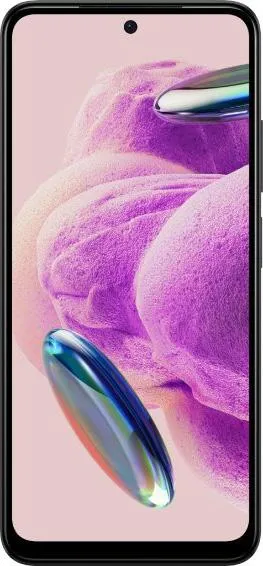
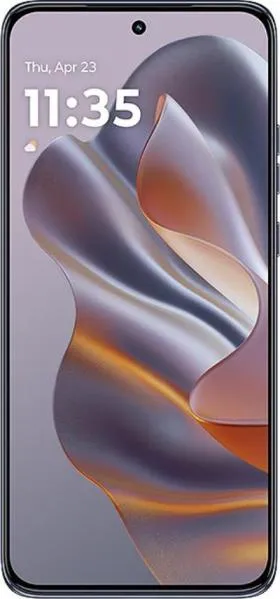
1. Specifications Comparison
| Feature | Xiaomi Redmi Note 12S | Motorola Edge 50 Neo | Practical Impact |
|---|---|---|---|
| Design | |||
| Dimensions (mm) | 159.9 x 73.9 x 8.1 | 154.1 x 71.2 x 8.1 | Edge 50 Neo is slightly smaller and might feel more comfortable in hand. |
| Weight (g) | 176 | 171 | Negligible weight difference. |
| Display | |||
| Display Type | AMOLED, 90Hz | LTPO P-OLED, 120Hz | Edge 50 Neo's LTPO panel allows for variable refresh rate (1-120Hz), saving battery. Higher peak brightness (3000 nits vs 1000 nits) ensures better outdoor visibility. 1B colors offer smoother color gradients compared to Redmi's unspecified color depth. |
| Display Size (inches) | 6.43 | 6.4 | Virtually identical screen sizes. |
| Resolution | 1080 x 2400 | 1256 x 2760 | Edge 50 Neo has a sharper display with higher pixel density (474 ppi vs 409 ppi). |
| Refresh Rate (Hz) | 90 | 120 | Edge 50 Neo offers smoother scrolling and animations. |
| HDR | No HDR10/10+ or Dolby Vision specified | HDR10+ | Superior HDR experience on the Edge 50 Neo for compatible content. |
| Performance | |||
| Chipset | Mediatek Helio G96 (12nm) | Mediatek Dimensity 7300 (4nm) | Dimensity 7300 is significantly more powerful and power-efficient due to the smaller 4nm process. |
| CPU | Octa-core (2x2.05 GHz Cortex-A76 & 6x2.0 GHz Cortex-A55) | Octa-core (4x2.5 GHz Cortex-A78 & 4x2.0 GHz Cortex-A55) | Edge 50 Neo will offer much better performance in demanding tasks and gaming due to faster and more powerful cores. |
| GPU | Mali-G57 MC2 | Mali-G615 MC2 | Edge 50 Neo has a more powerful GPU, leading to better gaming and graphics performance. |
| RAM | 6GB/8GB | 12GB | More RAM in Edge 50 Neo allows for better multitasking and smoother performance. |
| Camera | |||
| Main Camera | 108MP | 50MP | Redmi has a higher resolution sensor, but the Edge 50 Neo uses a larger sensor with likely better low-light performance. |
| Ultrawide | 8MP | 13MP + Macro | Edge 50 Neo combines ultrawide and macro capabilities in a single lens. The dedicated Macro lens on the Redmi may offer slightly better macro shots. |
| Telephoto | None | 10MP with 3x Optical Zoom | Edge 50 Neo offers optical zoom for better image quality at longer distances. |
| Video Recording | 1080p@30fps | Up to 4K@30fps | Edge 50 Neo supports higher resolution video recording. |
| Battery | |||
| Capacity (mAh) | 5000 | 4310 | Redmi has a larger battery capacity, but the Edge 50 Neo's more efficient chipset might offset this difference in real-world usage. |
2. Key Differences Analysis
Motorola Edge 50 Neo Advantages:
- Significantly better performance: Dimensity 7300 offers a major leap in processing power and efficiency.
- Superior display: Brighter, smoother, and with better color reproduction. LTPO technology enables adaptive refresh rates for improved battery life.
- More versatile camera system: Optical zoom and higher resolution ultrawide lens provide more shooting options. Higher quality video recording capabilities.
- More recent OS: Android 14 with longer update support.
Xiaomi Redmi Note 12S Advantages:
- Potentially longer battery life: Larger battery capacity, though real-world results depend on usage patterns.
- Higher resolution main camera: Potentially more detail in well-lit conditions, although sensor size and processing play a significant role in overall image quality.
3. User Profiles & Recommendations
Xiaomi Redmi Note 12S: Budget-conscious users prioritizing battery life and a high-resolution main camera for casual photography.
Motorola Edge 50 Neo: Users who value performance, a high-quality display, and a versatile camera system. Suitable for gaming, media consumption, and content creation.
4. Decision Framework
Key Questions for Buyers:
- What is your budget? The Edge 50 Neo is priced higher.
- What are your performance requirements? For demanding tasks and gaming, the Edge 50 Neo is far superior.
- How important is display quality and battery life? The Edge 50 Neo has a visibly better display, while battery life might be comparable in real-world usage due to its more efficient chipset.
My Choice: Motorola Edge 50 Neo
While the Redmi Note 12S offers a larger battery and higher resolution main camera on paper, the Motorola Edge 50 Neo is the superior choice for me. The significantly improved performance, superior display quality (higher resolution, refresh rate, brightness, HDR), more versatile camera system with optical zoom, and newer Android version with longer software support make it a more compelling overall package. Even if battery life ends up being slightly shorter, the trade-off is worth it for the significant gains in other areas. The Edge 50 Neo provides a more future-proof and enjoyable user experience.
