1. Specifications Comparison
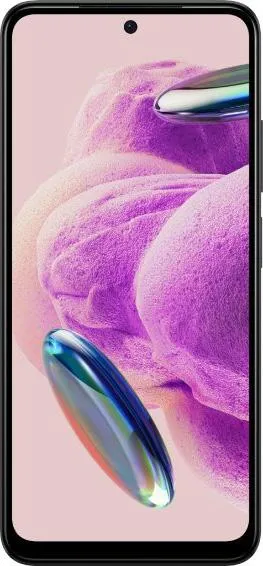
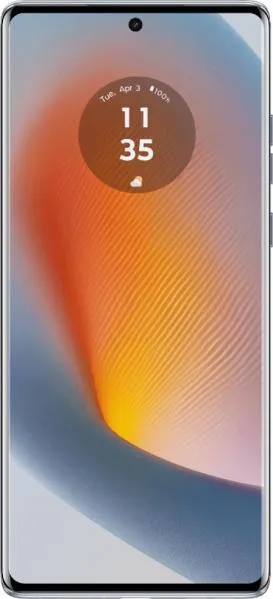
| Feature | Xiaomi Redmi Note 12S | Motorola Edge 50 Fusion | Practical Impact |
|---|---|---|---|
| Design | |||
| Dimensions (mm) | 159.9 x 73.9 x 8.1 | 161.9 x 73.1 x 7.9 | Motorola is slightly larger and thinner. Negligible difference in daily use. |
| Weight (g) | 176 | 174.9 | Virtually identical weight. |
| Fingerprint Sensor | Side-mounted | Under-display | Preference-based. Under-display is modern, side-mounted can be quicker to access. |
| Display | |||
| Display Type | AMOLED, 90Hz | pOLED, 120/144Hz | Motorola offers smoother scrolling and animations with higher refresh rate and potentially better color accuracy with 1B colors. |
| Display Size (inches) | 6.43 | 6.7 | Motorola has a larger screen, better for media consumption. |
| Resolution | 1080 x 2400 | 1080 x 2400 | Identical resolution, but Motorola's larger display results in slightly lower pixel density (less sharp). |
| Peak Brightness (nits) | 1000 | 1600 | Motorola's display will be significantly more visible in direct sunlight. |
| Performance | |||
| Chipset | Mediatek Helio G96 (12nm) | Snapdragon 7s Gen 2 (4nm) | Snapdragon 7s Gen 2 provides significantly better performance and efficiency due to smaller process node and superior architecture. |
| CPU | Octa-core (2x2.05 GHz A76 & 6x2.0 GHz A55) | Octa-core (4x2.4 GHz A78 & 4x1.95 GHz A55) | Motorola has faster and more powerful CPU cores, leading to smoother multitasking and faster app loading. |
| GPU | Mali-G57 MC2 | Adreno 710 | Adreno 710 offers better gaming performance and graphics rendering compared to the Mali-G57 MC2. |
| RAM | 6GB/8GB | 8GB/12GB | Motorola offers more RAM in its configurations, benefiting multitasking and demanding applications. |
| OS | Android 13 | Android 14 | Motorola comes with a newer Android version and guaranteed updates to Android 17, offering longer software support and newer features. |
| Camera | |||
| Main Camera | 108MP, f/1.8 | 50MP, f/1.8, OIS | Xiaomi has higher resolution, but Motorola features Optical Image Stabilization (OIS) for significantly better low-light performance and video stability. |
| Video Recording | 1080p@30fps | 4K@30fps with EIS | Motorola supports higher resolution video recording with Electronic Image Stabilization (EIS) |
| Battery | |||
| Capacity | 5000 mAh | 5000 mAh | Identical battery capacity. Real-world battery life will depend on software optimization and usage patterns. |
2. Key Differences Analysis
Motorola Edge 50 Fusion Advantages:
- Significantly better performance: The Snapdragon 7s Gen 2 chipset, faster CPU, and more RAM provide a noticeable difference in speed and responsiveness.
- Smoother display: The higher refresh rate display offers a more fluid user experience.
- Brighter display: Better visibility outdoors.
- Longer software support: Guaranteed updates to Android 17.
- Superior Camera Features: OIS enables better low-light photos and stable video recording. 4K video recording capability.
- 5G Connectivity: Offers faster mobile data speeds where available.
Xiaomi Redmi Note 12S Advantages:
- Potentially Lower Price: Depending on specific configurations and market, the Redmi Note 12S might be more affordable.
- Higher resolution main camera: Potentially more detail in well-lit conditions, though this is impacted by other factors like sensor size and processing.
3. User Profiles & Recommendations
Xiaomi Redmi Note 12S: Budget-conscious users who prioritize basic smartphone functionality, casual photography, and long battery life.
Motorola Edge 50 Fusion: Users who value performance, a smooth and bright display, future-proof software, better camera quality (especially in low light and video), and 5G connectivity. Suitable for gaming, multitasking, and media consumption.
4. Decision Framework
Key Questions for Buyers:
- What is your budget? The Redmi Note 12S likely offers a lower entry price.
- What are your performance expectations? For demanding tasks and gaming, the Motorola is significantly better.
- How important is software support and future updates? Motorola offers a longer update commitment.
Scenario-Based Recommendations:
- Tight Budget: Redmi Note 12S
- Performance and Future-Proofing: Motorola Edge 50 Fusion
- Emphasis on Camera Quality and Video: Motorola Edge 50 Fusion
My Choice: Motorola Edge 50 Fusion
While the Xiaomi Redmi Note 12S might be more budget-friendly, the Motorola Edge 50 Fusion offers a significantly better overall package. The superior processor, higher refresh rate display, brighter screen, longer software support, and OIS-enabled camera make it a more compelling device for long-term use. The performance difference alone would heavily influence my decision, as a smooth and responsive user experience is crucial for daily usage. The guaranteed Android updates ensure the phone remains secure and feature-rich for longer. The improved camera quality, particularly in low light and video recording, is another significant advantage. Even with a potential price premium, the Edge 50 Fusion offers a better value proposition in the long run.
