
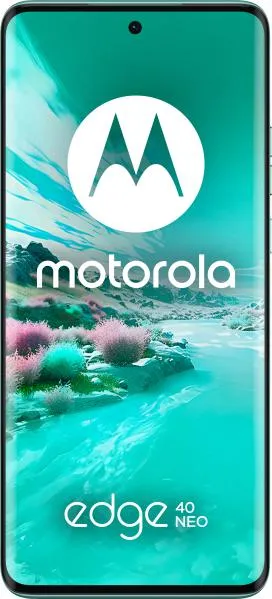
1. Specifications Comparison
| Feature | Xiaomi Redmi Note 12S | Motorola Edge 40 Neo | Practical Impact |
|---|---|---|---|
| Design | |||
| Dimensions (mm) | 159.9 x 73.9 x 8.1 | 159.6 x 72.0 x 7.9 | Edge 40 Neo is slightly narrower and thinner. Negligible difference in daily use. |
| Weight (g) | 176 | 170 | Edge 40 Neo is slightly lighter, but the difference is minimal. |
| Display | |||
| Display Type | AMOLED, 90Hz | pOLED, 144Hz | Edge 40 Neo's pOLED potentially offers better blacks and power efficiency, while its 144Hz refresh rate provides smoother scrolling and animations compared to the 90Hz of the Redmi Note 12S. |
| Display Size (inches) | 6.43 | 6.55 | Edge 40 Neo has a slightly larger display. |
| Resolution | 1080 x 2400 | 1080 x 2400 | Identical resolution, resulting in similar sharpness. |
| Peak Brightness (nits) | 1000 | 1300 | Edge 40 Neo will be significantly more visible in direct sunlight. |
| HDR | No Dolby Vision specified | HDR10+ | Edge 40 Neo supports HDR10+ for enhanced video content with wider color range and contrast. |
| Performance | |||
| Chipset | Mediatek Helio G96 (12nm) | Mediatek Dimensity 7030 (6nm) | Edge 40 Neo utilizes a more efficient and powerful 6nm chipset, leading to better battery life and smoother performance, especially in demanding tasks. |
| CPU | Octa-core (2x2.05 GHz Cortex-A76 & 6x2.0 GHz Cortex-A55) | Octa-core (2x2.5 GHz Cortex-A78 & 6x2.0 GHz Cortex-A55) | Edge 40 Neo boasts faster and more powerful CPU cores (Cortex-A78 vs A76) resulting in noticeably better performance. |
| GPU | Mali-G57 MC2 | Mali-G610 MC3 | Edge 40 Neo has a more powerful GPU, resulting in improved gaming performance and graphics rendering. |
| RAM | 6GB/8GB | 12GB | Edge 40 Neo offers significantly more RAM, enabling better multitasking and smoother performance with multiple apps open. |
| Camera | |||
| Main Camera (MP) | 108 | 50 | Redmi Note 12S has a higher megapixel count. However, sensor size and other factors also heavily influence image quality. Megapixels alone are not conclusive. |
| Video Recording | 1080p@30fps | 4K@30fps | Edge 40 Neo can record videos at a much higher resolution. |
| Optical Image Stabilization | No | Yes | Edge 40 Neo offers OIS for significantly steadier videos and potentially better low-light photos. |
| Battery | |||
| Capacity (mAh) | 5000 | 5000 | Identical battery capacity. However, real-world battery life depends on various factors including chipset efficiency and display. |
2. Key Differences Analysis
Motorola Edge 40 Neo Advantages:
- Significantly smoother performance: More powerful and efficient processor, more RAM, and higher refresh rate display.
- Better display: Brighter pOLED with HDR10+ support and 144Hz refresh rate.
- Superior video recording: 4K recording capability and Optical Image Stabilization.
- 5G Connectivity: Offers broader and faster network compatibility.
Xiaomi Redmi Note 12S Advantages:
- Potentially lower price: Depending on the specific configuration and retailer, the Redmi Note 12S might be more affordable.
- Higher resolution main camera: Although megapixels aren't everything, the 108MP sensor could offer more detail in certain situations.
3. User Profiles & Recommendations
Motorola Edge 40 Neo: Ideal for users who prioritize performance, a smooth and vibrant display, future-proof 5G connectivity, and high-quality video recording. Suitable for gamers, content creators, and those who multitask heavily.
Xiaomi Redmi Note 12S: Best suited for budget-conscious users who primarily use their phone for everyday tasks like social media, browsing, and casual photography. Good for users who prioritize a lower price point over cutting-edge features.
4. Decision Framework
Key Questions for Buyers:
- What is your budget? The Redmi Note 12S is likely more affordable.
- What are your primary phone usage patterns? Gamers and power users will benefit from the Edge 40 Neo's performance.
- How important is future-proofing with 5G? The Edge 40 Neo offers 5G connectivity.
My Choice: Motorola Edge 40 Neo
While potentially more expensive, the Motorola Edge 40 Neo offers a significant upgrade in performance, display quality, and camera capabilities. The Dimensity 7030 processor, coupled with 12GB of RAM and a 144Hz display, ensures a significantly smoother and more responsive user experience. The inclusion of OIS and 4K video recording makes it a more versatile device for content creation. The longer software support commitment (up to Android 15) also adds value in terms of longevity. While the Redmi Note 12S offers a compelling value proposition for budget-conscious buyers, the Edge 40 Neo's superior feature set makes it a more compelling overall package for my needs.
