1. Specifications Comparison
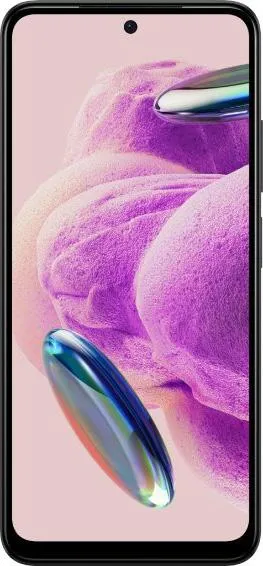
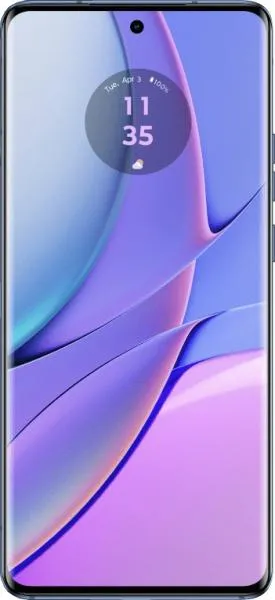
| Feature | Xiaomi Redmi Note 12S | Motorola Edge 40 | Practical Impact |
|---|---|---|---|
| Design | |||
| Dimensions (mm) | 159.9 x 73.9 x 8.1 | 158.4 x 72 x 7.6 | Motorola Edge 40 is slightly smaller, thinner, and lighter, making it potentially more pocketable and comfortable for one-handed use. |
| Weight (g) | 176 | 167 | The weight difference is negligible in real-world usage. |
| Display | |||
| Display Type | AMOLED, 90Hz | P-OLED, 144Hz | The Motorola's P-OLED display with 144Hz refresh rate offers smoother scrolling, animations, and a more responsive gaming experience compared to the Redmi's 90Hz AMOLED. P-OLED generally consumes less power than AMOLED. |
| Peak Brightness (nits) | 1000 | 1200 | The Edge 40's higher peak brightness will provide better visibility in direct sunlight. |
| HDR | No Dolby Vision, HDR10/10+ status unclear | HDR10+ | Edge 40 offers confirmed HDR10+ support, resulting in better dynamic range and color accuracy when viewing compatible content. Lack of clarity on Redmi Note 12S' HDR capabilities is a disadvantage. |
| Performance | |||
| Chipset | Mediatek Helio G96 (12nm) | Mediatek Dimensity 8020 (6nm) | The Dimensity 8020, built on a smaller process node, provides significantly better performance, power efficiency, and thermal management than the Helio G96. This translates to smoother multitasking, faster app loading, and improved gaming capabilities. |
| CPU | Octa-core (2x2.05 GHz Cortex-A76 & 6x2.0 GHz Cortex-A55) | Octa-core (4x2.6 GHz Cortex-A78 & 4x2.0 GHz Cortex-A55) | The Edge 40's CPU features faster and more powerful cores (Cortex-A78) leading to a noticeable performance advantage in demanding tasks. |
| GPU | Mali-G57 MC2 | Mali-G77 MC9 | Edge 40 has a more powerful GPU, offering smoother graphics and higher frame rates in games. |
| RAM | 6GB/8GB | 8GB | The base model comparison shows the Edge 40 having more RAM, providing better multitasking performance. |
| Camera | |||
| Main Camera | 108MP, f/1.8 | 50MP, f/1.4, OIS | Despite the higher megapixel count on the Redmi, the Edge 40's wider aperture (f/1.4) and Optical Image Stabilization (OIS) likely result in better low-light performance and sharper images overall. |
| Video Recording | 1080p@30fps | 4K@30fps with HDR, EIS | Edge 40 offers superior video recording capabilities with 4K resolution, HDR, and Electronic Image Stabilization (EIS) for smoother footage. |
| Battery | |||
| Capacity | 5000 mAh | 4400 mAh | Redmi Note 12S has a larger battery capacity, potentially offering longer battery life. However, the Edge 40's more efficient chipset might offset this difference in real-world usage. |
2. Key Differences Analysis
Motorola Edge 40 Advantages:
- Significantly better performance: Due to a more powerful and efficient chipset, CPU, and GPU.
- Smoother display: 144Hz refresh rate and P-OLED technology.
- Superior camera: Wider aperture, OIS, and 4K video recording.
- More compact design: Slimmer and lighter build.
Xiaomi Redmi Note 12S Advantages:
- Potentially longer battery life: Larger battery capacity.
- Lower starting price: Offers a more budget-friendly option.
3. User Profiles & Recommendations
Motorola Edge 40: Users who prioritize performance, a smooth display, a good camera, and a compact design. Ideal for gamers, content creators, and those who demand a responsive user experience.
Xiaomi Redmi Note 12S: Budget-conscious users who prioritize battery life and require a reliable device for everyday tasks. Suitable for casual users, social media browsing, and light gaming.
4. Decision Framework
Key Questions:
- What is your budget? The Redmi Note 12S is significantly more affordable.
- What are your performance needs? For demanding tasks and gaming, the Edge 40 is far superior.
- How important is battery life? While the Redmi has a larger battery, real-world usage may vary.
My Choice: Motorola Edge 40
While the Redmi Note 12S offers a lower price and potentially longer battery life, the Motorola Edge 40's superior performance, smoother display, better camera, and more modern design make it the clear winner for me. The Dimensity 8020 provides a significant leap in performance and efficiency, which greatly impacts daily usability. The 144Hz display makes everything feel incredibly fluid, and the camera improvements are substantial. Although the battery is smaller, the efficiency of the chipset could result in comparable real-world battery life. The slightly higher price is justified by the significant upgrade in overall user experience.
