1. Specifications Comparison
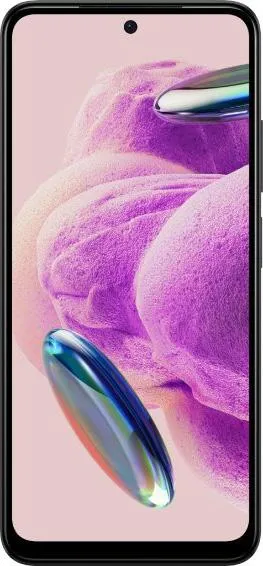
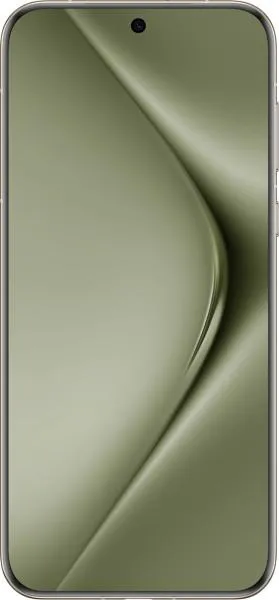
| Feature | Xiaomi Redmi Note 12S | Huawei Pura 70 Ultra | Practical Impact |
|---|---|---|---|
| Design | |||
| Dimensions (mm) | 159.9 x 73.9 x 8.1 | 162.6 x 75.1 x 8.4 | The Huawei is slightly larger and thicker. |
| Weight (g) | 176 | 226 | The Redmi is noticeably lighter, making it more comfortable for extended use. |
| Display | |||
| Size (inches) | 6.43 | 6.8 | The Huawei offers a larger screen for more immersive media consumption. |
| Resolution (px) | 1080 x 2400 | 1260 x 2844 | The Huawei has a sharper display with higher pixel density (460 vs 409 ppi). |
| Type | AMOLED, 90Hz | LTPO OLED, 120Hz | The Huawei's LTPO OLED allows for dynamic refresh rate adjustment, saving battery. Its higher refresh rate provides smoother animations and scrolling. |
| Peak Brightness (nits) | 1000 | 2500 | The Huawei's display is significantly brighter, improving outdoor visibility. |
| Performance | |||
| Chipset | Mediatek Helio G96 (12 nm) | Kirin 9010 (7 nm) | The Kirin 9010 is a significantly more powerful and efficient flagship chipset. |
| CPU | Octa-core (2x2.05 GHz A76 & 6x2.0 GHz A55) | Octa-core (1x2.3 GHz & 3x2.18 GHz & 4x1.55 GHz) | The Huawei's CPU offers superior performance in demanding tasks and multitasking. |
| RAM (GB) | 6/8 | 16 | The Huawei has substantially more RAM, enabling smoother multitasking and better handling of demanding applications. |
| Storage (GB) | 128/256 | 512/1000 | The Huawei offers significantly more storage for apps, media, and files. |
| Camera | |||
| Main Camera (MP) | 108 | 50 | While the Redmi boasts higher megapixels, the Huawei utilizes a larger sensor (Sony IMX989) generally associated with flagship phones, likely producing better low-light performance and overall image quality. |
| Features | Triple Camera, Night Mode | Triple Camera, OIS, 100x Digital Zoom, Night Mode | The Huawei offers optical image stabilization (OIS) for steadier shots and videos, a higher quality telephoto lens, and more advanced zoom capabilities. |
| Battery | |||
| Capacity (mAh) | 5000 | 5200 | Both phones offer large batteries, but the Huawei's slightly larger capacity, combined with the power-efficient LTPO display and chipset, likely results in longer battery life. |
2. Key Differences Analysis
Xiaomi Redmi Note 12S Advantages:
- Lighter and More Affordable: Significantly lighter and cheaper, making it more accessible and comfortable for everyday use.
Huawei Pura 70 Ultra Advantages:
- Superior Performance: The Kirin 9010 chipset and 16GB RAM offer flagship-level performance for demanding tasks and gaming.
- Better Display: Larger, sharper, brighter LTPO OLED display with a 120Hz refresh rate for a smoother and more immersive visual experience.
- Enhanced Camera Capabilities: Larger main camera sensor, OIS, and superior zoom features likely result in significantly better photo and video quality.
- Longer Battery Life: While only slightly larger, the battery is likely to last longer due to the efficient chipset and display.
3. User Profiles & Recommendations
Xiaomi Redmi Note 12S:
- Budget-conscious users: Provides good value for its price.
- Casual users: Suitable for everyday tasks like social media, browsing, and light gaming.
Huawei Pura 70 Ultra:
- Power users: Demands high performance for gaming, multitasking, and demanding applications.
- Photography enthusiasts: Values high-quality camera features and capabilities.
- Users prioritizing display quality: Appreciates a bright, sharp, and smooth display for media consumption.
4. Decision Framework
Key Questions for Buyers:
- What is your budget? The Redmi is significantly more affordable.
- What are your primary use cases? For casual use, the Redmi suffices. For demanding tasks and gaming, the Huawei is superior.
- How important is camera quality and display to you? The Huawei offers significant advantages in both areas.
My Choice: Huawei Pura 70 Ultra
While the Xiaomi Redmi Note 12S offers excellent value for its price, the Huawei Pura 70 Ultra is the superior device overall. The significantly improved performance, display quality, camera features, and potentially longer battery life justify the higher price for me. I value a smooth and responsive user experience, especially for multitasking and demanding applications, which the Kirin 9010 and 16GB RAM deliver. Additionally, the superior camera system and brighter, more vibrant display are crucial factors for my personal use. The lack of OS information for the Huawei is a concern, but assuming it's a current version of HarmonyOS, it wouldn't deter me given the hardware advantages.
