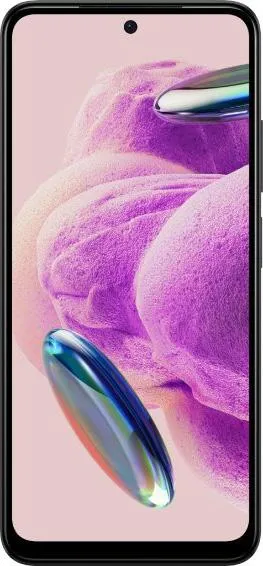
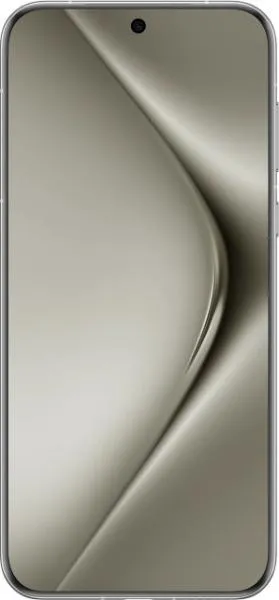
1. Specifications Comparison
| Feature | Xiaomi Redmi Note 12S | Huawei Pura 70 Pro | Practical Impact |
|---|---|---|---|
| Design | |||
| Dimensions (mm) | 159.9 x 73.9 x 8.1 | 162.6 x 75.1 x 8.4 | Pura 70 Pro is slightly larger and thicker. |
| Weight (g) | 176 | 220 | Redmi Note 12S is noticeably lighter, more comfortable for extended use. |
| Display | |||
| Display Type | AMOLED, 90Hz | LTPO OLED, 120Hz | Pura 70 Pro offers smoother scrolling and animations with its higher refresh rate and LTPO for dynamic refresh rate adjustment. |
| Display Size (inches) | 6.43 | 6.8 | Pura 70 Pro has a larger screen, better for media consumption but potentially less pocketable. |
| Resolution | 1080 x 2400 | 1260 x 2844 | Pura 70 Pro boasts a sharper display. |
| Peak Brightness (nits) | 1000 | 2500 | Pura 70 Pro will be significantly more visible in direct sunlight. |
| Performance | |||
| Chipset | Mediatek Helio G96 (12nm) | Kirin 9010 (7nm) | Kirin 9010 is significantly more powerful and efficient due to smaller fabrication process. Expect much better performance in demanding tasks and games on the Pura 70 Pro. |
| CPU | Octa-core (2x2.05 GHz Cortex-A76 & 6x2.0 GHz Cortex-A55) | Octa-core (1x2.3 GHz Taishan Big & 3x2.18 GHz Taishan Mid & 4x1.55 GHz Cortex-A510) | Pura 70 Pro has a more modern and powerful CPU architecture. |
| RAM | 6/8GB | 12GB | Pura 70 Pro offers significantly more RAM for multitasking and demanding applications. |
| OS | Android 13 | Unknown | No information on the Pura 70 Pro's OS limits comparison. This is a crucial factor. |
| Camera | |||
| Main Camera | 108MP | 50MP with variable aperture (f/1.4 - f/4.0) | Redmi Note 12S has higher resolution; Pura 70 Pro offers more versatility with variable aperture for light control and potentially better low-light performance. |
| Ultrawide | 8MP | 12.5MP | Pura 70 Pro has a higher resolution ultrawide lens. |
| Telephoto | None | 48MP with OIS and 3.5x Optical Zoom | Pura 70 Pro offers superior zoom capabilities. |
| Battery | |||
| Capacity | 5000 mAh | 5050 mAh | Negligible difference in battery capacity. Real-world battery life will depend more on OS optimization and chip efficiency. |
2. Key Differences Analysis
Xiaomi Redmi Note 12S Advantages:
- Lighter and More Compact: Noticeably more comfortable for one-handed use and extended periods.
- Lower Price: Significantly more affordable.
Huawei Pura 70 Pro Advantages:
- Significantly More Powerful: The Kirin 9010 offers a substantial performance advantage for demanding tasks and gaming.
- Superior Display: Higher resolution, refresh rate, brightness, and LTPO technology provide a smoother and more vibrant visual experience.
- More Versatile Camera System: Variable aperture, telephoto lens with OIS, and advanced features offer greater creative control.
- Larger RAM: Enables superior multitasking capabilities.
3. User Profiles & Recommendations
Xiaomi Redmi Note 12S: Budget-conscious users prioritizing affordability and a lightweight design for everyday tasks like social media, web browsing, and casual photography.
Huawei Pura 70 Pro: Users who demand top-tier performance, a premium display, and a versatile camera system for demanding tasks, gaming, media consumption, and mobile photography.
4. Decision Framework
Key Questions for Buyers:
- What is your budget? The Redmi Note 12S offers excellent value for its price, while the Pura 70 Pro commands a premium.
- What are your primary use cases? For everyday tasks, the Redmi Note 12S is sufficient. For demanding gaming, professional photography, or a premium media experience, the Pura 70 Pro excels.
- Which factors are most important to you? Prioritize factors like portability, performance, camera quality, display quality, and battery life.
Scenario-Based Recommendations:
- Limited Budget, Casual User: Redmi Note 12S
- Power User, Demanding Tasks: Huawei Pura 70 Pro
- Photographer/Videographer: Huawei Pura 70 Pro
My Choice: Huawei Pura 70 Pro
While lacking OS information is a significant concern, the Huawei Pura 70 Pro's superior performance, stunning display, and versatile camera system make it the more compelling device for my needs. I prioritize a smooth and responsive user experience, excellent photography capabilities, and a bright, vibrant display for media consumption. The significant performance difference between the Kirin 9010 and the Helio G96, coupled with the Pura 70 Pro's advanced camera features and superior display, outweighs the size and weight difference for me. However, the unknown OS is a big risk. If it lacks Google Mobile Services, this would significantly impact my decision. I would need to confirm the OS details before finalizing my purchase.
