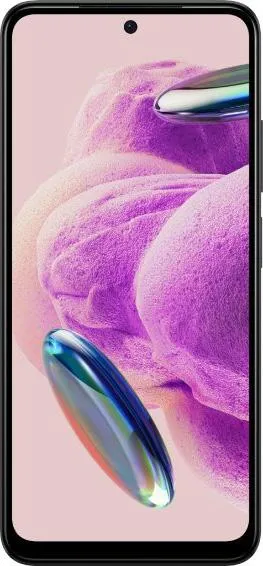
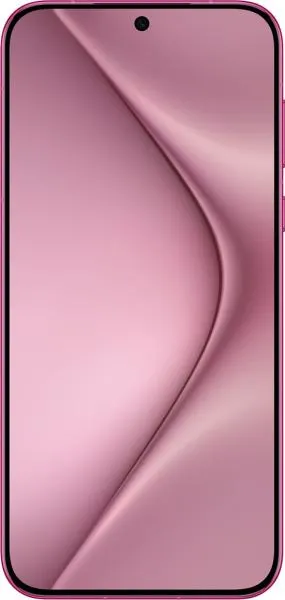
1. Specifications Comparison
| Feature | Xiaomi Redmi Note 12S | Huawei Pura 70 | Practical Impact |
|---|---|---|---|
| Design | |||
| Dimensions (mm) | 159.9 x 73.9 x 8.1 | 157.6 x 74.3 x 8.0 | Redmi Note 12S is slightly taller and narrower. Negligible difference in daily use. |
| Weight (g) | 176 | 207 | Redmi Note 12S is noticeably lighter, reducing hand fatigue during extended use. |
| Display | |||
| Display Size (inches) | 6.43 | 6.6 | Pura 70 offers a slightly larger screen for more immersive content consumption. |
| Resolution (px) | 1080 x 2400 | 1256 x 2760 | Pura 70 has a sharper display with higher pixel density (460 vs 409 ppi), resulting in crisper text and images. |
| Refresh Rate (Hz) | 90 | 120 | Pura 70's 120Hz refresh rate provides smoother animations and scrolling compared to the 90Hz on the Redmi Note 12S. |
| Display Type | AMOLED | LTPO OLED | Both offer vibrant colors and deep blacks. Pura 70's LTPO panel allows for dynamic refresh rate adjustment, potentially saving battery. |
| Peak Brightness (nits) | 1000 | 2500 | Pura 70's significantly higher peak brightness ensures better visibility in direct sunlight. |
| Performance | |||
| Chipset | Mediatek Helio G96 (12 nm) | Kirin 9000S1 | Kirin 9000S1 is significantly more powerful, enabling smoother multitasking and better gaming performance. |
| CPU | Octa-core (2x2.05 GHz Cortex-A76 & 6x2.0 GHz Cortex-A55) | Octa-core | Specific core configuration for Pura 70 is missing, limiting detailed comparison. However, the Kirin chipset is generally expected to outperform the Helio G96. |
| GPU | Mali-G57 MC2 | 8 | Insufficient GPU details for Pura 70 to provide a meaningful comparison. "8" is not a standard GPU model identifier. |
| RAM (GB) | 6/8 | 12 | Pura 70's 12GB RAM ensures significantly better multitasking and app switching performance compared to the 6/8GB on Redmi Note 12S. |
| Camera | |||
| Main Camera (MP) | 108 | 50 | Redmi Note 12S boasts higher megapixel count. However, sensor size, aperture, and processing play a crucial role in image quality, making a direct comparison based on megapixels alone unreliable. |
| Other Cameras | 8MP Wide, 2MP Macro, 16MP Selfie | 13MP Wide, 12MP Telephoto, 13MP Selfie | Pura 70 offers a more versatile camera setup with a telephoto lens for optical zoom. |
| Battery | |||
| Capacity (mAh) | 5000 | 4900 | Negligible difference in battery capacity. Real-world battery life depends on various factors including software optimization and display usage. |
2. Key Differences Analysis
Xiaomi Redmi Note 12S Advantages:
- Lighter and more affordable: Easier to handle and significantly cheaper.
Huawei Pura 70 Advantages:
- Significantly more powerful: Superior performance for demanding tasks and gaming.
- Sharper and smoother display: More immersive content consumption experience.
- More versatile camera system: Telephoto lens enables optical zoom.
- Brighter Display: Much better outdoor visibility.
3. User Profiles & Recommendations
Xiaomi Redmi Note 12S:
- Budget-conscious users: Prioritize affordability over top-tier performance.
- Light users: Primarily use their phone for basic tasks like calling, texting, and social media browsing.
Huawei Pura 70:
- Power users: Demand high performance for gaming, multitasking, and demanding applications.
- Content consumers: Value a large, sharp, and smooth display for watching videos and playing games.
- Photography enthusiasts: Appreciate the versatility of a telephoto lens for zoom capabilities.
4. Decision Framework
Key Questions for Buyers:
- What is your budget? The Redmi Note 12S is significantly more affordable.
- What are your primary phone usage patterns? For basic tasks, the Redmi Note 12S suffices. For demanding tasks and content consumption, the Pura 70 is better.
- How important is camera versatility? The Pura 70's telephoto lens offers more flexibility.
Scenario-Based Recommendations:
- Limited budget, basic usage: Redmi Note 12S
- Demanding tasks, content consumption, photography: Huawei Pura 70
My Choice: Huawei Pura 70
While the Redmi Note 12S offers excellent value for its price, the Huawei Pura 70 is the superior device overall. The significantly improved performance, sharper and smoother display, more versatile camera system, and brighter screen outweigh the price difference for me. The 12GB RAM ensures smooth multitasking, future-proofing the device for longer. The LTPO display offers a balance between smoothness and battery life. Though lacking specific GPU information, the Kirin 9000S1's reputation suggests a considerable performance advantage over the Helio G96. While the Redmi Note 12S is a good budget option, the Pura 70 provides a more premium and future-proof experience.
