1. Specifications Comparison
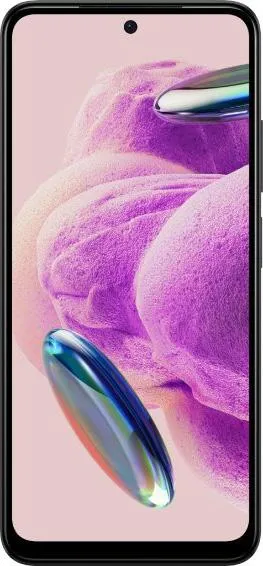
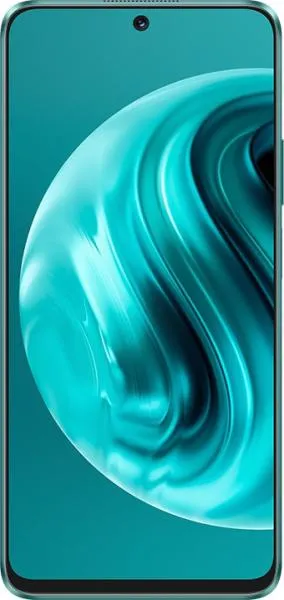
| Feature | Xiaomi Redmi Note 12S | Huawei nova 12i | Practical Impact |
|---|---|---|---|
| Design | |||
| Dimensions (mm) | 159.9 x 73.9 x 8.1 | 163.3 x 74.7 x 8.4 | The Redmi Note 12S is slightly smaller and thinner, making it potentially more pocketable. |
| Weight (g) | 176 | 199 | The Redmi Note 12S is noticeably lighter, improving one-handed use and reducing fatigue. |
| Display | |||
| Display Type | AMOLED, 90Hz | IPS LCD, 90Hz | AMOLED offers deeper blacks, more vibrant colors, and better power efficiency in dark mode compared to the IPS LCD of the Nova 12i. Both have smooth 90Hz refresh rates. |
| Size (inches) | 6.43 | 6.7 | The Nova 12i has a slightly larger screen, providing more screen real estate for media consumption. |
| Resolution | 1080 x 2400 | 1080 x 2388 | Virtually identical resolutions; sharpness will be similar on both devices. |
| Peak Brightness (nits) | 1000 | Not specified | The Redmi Note 12S's higher peak brightness ensures better visibility in direct sunlight. The lack of this spec for the Nova 12i makes a direct comparison impossible. |
| Performance | |||
| Chipset | Mediatek Helio G96 (12nm) | Qualcomm Snapdragon 680 4G (6nm) | The Snapdragon 680, built on a smaller 6nm process, is generally more power-efficient than the Helio G96. |
| CPU | Octa-core (2x2.05 GHz Cortex-A76 & 6x2.0 GHz Cortex-A55) | Octa-core (4x2.4 GHz Cortex-A73 & 4x1.9 GHz Cortex-A53) | While clock speeds suggest the Helio G96 might have a slight edge in burst performance, the Snapdragon 680's architecture and more efficient node likely result in better sustained performance and battery life. |
| GPU | Mali-G57 MC2 | Adreno 610 | The Adreno 610 generally offers better gaming performance compared to the Mali-G57 MC2. |
| RAM | 6GB/8GB | 8GB | The base model Redmi has less RAM; however, both offer sufficient memory for multitasking. 8GB will provide smoother performance with numerous apps open. |
| Camera | |||
| Main Camera | 108MP, f/1.8 | 108MP, f/1.9 | Both have high-resolution sensors. Differences in image quality will likely depend on image processing. |
| Selfie Camera | 16MP, f/2.4 | 8MP, f/2.0 | The Redmi Note 12S has a higher resolution selfie camera, potentially capturing more detailed selfies. |
| Battery | |||
| Capacity | 5000 mAh | 5000 mAh | Identical battery capacities suggest similar battery life, but actual performance will depend on software optimization and usage patterns. |
2. Key Differences Analysis
Xiaomi Redmi Note 12S Advantages:
- Brighter, More Vibrant Display: The AMOLED display offers superior visual quality for media consumption.
- Lighter and More Compact: Enhances portability and one-handed usability.
- Higher Resolution Selfie Camera: Better for video calls and self-portraits.
Huawei nova 12i Advantages:
- More Power-Efficient Chipset: Potentially leading to longer battery life and cooler operation under load.
- Generally Better GPU: Likely smoother performance in demanding games.
- More Available RAM in Base Model: Provides more headroom for multitasking.
Trade-offs:
- The Redmi Note 12S prioritizes display quality and portability over raw processing power.
- The Nova 12i prioritizes battery life and performance, compromising on display vibrancy and device weight. The lower resolution selfie camera is also a notable downside.
3. User Profiles & Recommendations
Xiaomi Redmi Note 12S: Ideal for users who prioritize a vibrant display, compact design, and frequently take selfies. Suitable for social media enthusiasts, casual gamers, and those who consume lots of media.
Huawei nova 12i: Best suited for users who value battery life and smooth performance for everyday tasks and moderate gaming. A good choice for those who prioritize functionality over dazzling visuals.
4. Decision Framework
Key Questions for Buyers:
- How important is display quality to you? If vibrant colors and deep blacks are crucial, the Redmi Note 12S is the better choice.
- What is your primary usage? For heavy gaming or demanding tasks, the Nova 12i's more efficient processor and better GPU are advantageous. For general use and media consumption, both are sufficient.
- What is your budget and storage needs? Consider the different RAM and storage configurations available for each phone and compare prices accordingly. The lack of detailed pricing information limits specific recommendations.
My Choice: Xiaomi Redmi Note 12S
While the Huawei Nova 12i offers better battery efficiency and potentially smoother performance in demanding tasks, the Xiaomi Redmi Note 12S's superior AMOLED display, lighter weight, and higher-resolution selfie camera are more compelling to me. I prioritize display quality and a comfortable in-hand feel for daily use, including media consumption and social media. The slightly less powerful processor is acceptable for my usage pattern, which doesn't involve heavy gaming. The brighter display is a significant advantage for outdoor use. Ultimately, the Redmi Note 12S offers a more enjoyable user experience for my personal preferences.
