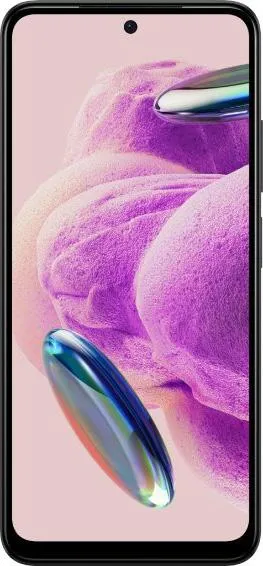

1. Specifications Comparison
| Feature | Xiaomi Redmi Note 12S | Huawei nova 11 Pro | Practical Impact |
|---|---|---|---|
| Design | |||
| Dimensions (mm) | 159.9 x 73.9 x 8.1 | 164.3 x 74.4 x 7.9 | Nova 11 Pro is slightly larger and heavier. |
| Weight (g) | 176 | 188 | Redmi Note 12S is noticeably lighter for daily use. |
| Display | |||
| Size (inches) | 6.43 | 6.78 | Nova 11 Pro offers a larger screen for media consumption. |
| Resolution | 1080 x 2400 | 1200 x 2652 | Both are sharp, but Nova 11 Pro has a slightly higher resolution. |
| Type | AMOLED, 90Hz | OLED, 120Hz | Nova 11 Pro's 120Hz display will feel smoother for scrolling and gaming. |
| Peak Brightness (nits) | 1000 | 950 | Negligible real-world difference in brightness. |
| Color Depth | Not specified | 1B | Nova 11 Pro supports a wider color gamut for more vibrant visuals. |
| HDR | Not specified for HDR10/Dolby Vision | HDR10 | Nova 11 Pro supports HDR10 for improved video quality on compatible content. |
| Performance | |||
| Chipset | Mediatek Helio G96 (12nm) | Qualcomm Snapdragon 778G 4G (6nm) | Snapdragon 778G offers significantly better performance and efficiency. |
| CPU | Octa-core (2x2.05 GHz A76 & 6x2.0 GHz A55) | Octa-core (4x2.4 GHz Kryo 670 & 4x1.8 GHz Kryo 670) | Nova 11 Pro has a more powerful CPU architecture for demanding tasks. |
| GPU | Mali-G57 MC2 | Adreno 642L | Adreno 642L offers superior graphics performance for gaming. |
| RAM | 6GB/8GB | 8GB/12GB | More RAM options available on Nova 11 Pro, beneficial for multitasking. |
| Camera | |||
| Main Camera | 108MP, f/1.8 | 50MP, f/1.9 | Redmi Note 12S boasts higher resolution, Nova 11 Pro's sensor details are limited. Practical image quality comparison requires real-world testing. |
| Selfie Camera | 16MP, f/2.4 | 60MP, f/2.4 + 8MP Depth Sensor | Nova 11 Pro has a much higher resolution selfie camera and a dedicated depth sensor for portrait mode. |
| Video Recording | 1080p@30fps | 720p@960fps (slow-mo), Unspecified for standard video | Redmi Note 12S can record at higher resolution for standard video; Nova 11 Pro offers impressive slow-motion capabilities. |
| Battery | |||
| Capacity | 5000 mAh | 4500 mAh | Redmi Note 12S has a larger battery capacity, potentially leading to longer battery life. |
2. Key Differences Analysis
Xiaomi Redmi Note 12S Advantages:
- Lower Price: Significantly more affordable.
- Larger Battery: Potentially longer battery life.
- Lighter Weight: More comfortable for extended use.
- Higher Resolution Main Camera: Potentially detailed photos, but real-world performance depends on other factors.
Huawei nova 11 Pro Advantages:
- Significantly Better Performance: Smoother overall experience, better gaming capabilities.
- Higher Quality Display: Smoother refresh rate, wider color gamut, HDR10 support.
- Superior Selfie Camera: High resolution with depth sensor for better portraits.
- Faster Charging: Although charging speeds aren't specified, the 778G generally supports faster charging technologies compared to the Helio G96.
3. User Profiles & Recommendations
Redmi Note 12S: Budget-conscious users prioritizing battery life and a large display. Suitable for everyday tasks like social media, web browsing, and casual photography.
Nova 11 Pro: Users prioritizing performance, display quality, and a good selfie camera. Suitable for demanding tasks, mobile gaming, and content creation.
4. Decision Framework
Key Questions for Buyers:
- What is your budget? The Redmi Note 12S is significantly cheaper.
- What are your performance needs? For demanding tasks and gaming, the Nova 11 Pro is much better.
- What are your priorities in a smartphone? (e.g., battery life, camera quality, display smoothness)
Scenario-Based Recommendations:
- Limited Budget, Basic Usage: Redmi Note 12S
- Balanced Needs, Moderate Budget: Consider other options, as the Nova 11 Pro's price might be too high for the value offered compared to other phones in its price range.
- Performance and Premium Features, Higher Budget: Nova 11 Pro, but research competing phones at this price point.
My Choice:
I would choose the Xiaomi Redmi Note 12S. While the Huawei Nova 11 Pro boasts superior performance and display, the significant price difference doesn't justify the upgrade for me personally. The Redmi Note 12S offers excellent value for its price, providing a large battery, a decent display, and adequate performance for everyday tasks. The lack of specific camera sensor details for the Nova 11 Pro and its significantly higher price make the Redmi Note 12S a more compelling choice. If my budget were significantly higher, and I needed the extra performance, I would consider the Nova 11 Pro, but I would also thoroughly research competing devices in the same price bracket before making a final decision. The lack of clear OS information for the Nova 11 Pro is also concerning.
