1. Specifications Comparison
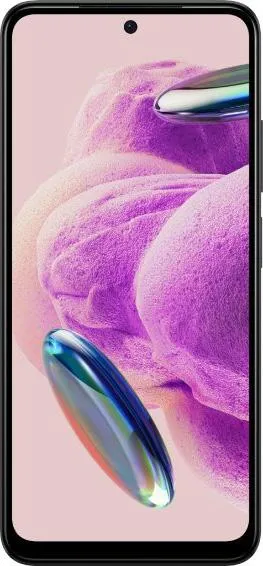
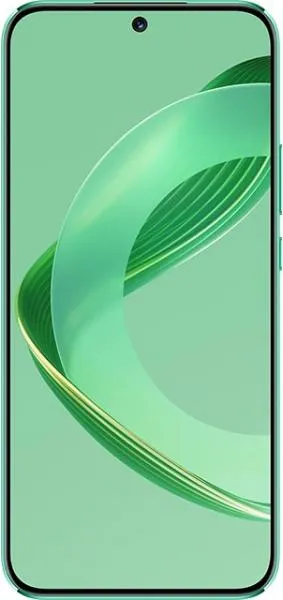
| Feature | Xiaomi Redmi Note 12S | Huawei nova 11 | Practical Impact |
|---|---|---|---|
| Design | |||
| Dimensions (mm) | 159.9 x 73.9 x 8.1 | 161.3 x 75 x 6.9 | Nova 11 is slightly taller and wider, but significantly thinner. Redmi is slightly heavier. |
| Weight (g) | 176 | 168 | Negligible difference in weight in practical usage. |
| Display | |||
| Display Type | AMOLED, 90Hz | OLED, 120Hz | Both offer vivid colors and deep blacks. Nova 11's 120Hz offers smoother scrolling and animations. |
| Display Size (inches) | 6.43 | 6.7 | Nova 11 provides a larger viewing area for media consumption. |
| Resolution | 1080 x 2400 | 1084 x 2412 | Virtually identical sharpness. |
| Peak Brightness (nits) | 1000 | 950 | Redmi Note 12S might be slightly more visible in direct sunlight, though both are adequately bright. |
| Performance | |||
| Chipset | Mediatek Helio G96 (12nm) | Snapdragon 778G 4G (6nm) | Snapdragon 778G offers significantly better performance and power efficiency due to its superior architecture and smaller manufacturing process. |
| CPU | Octa-core (2x2.05 GHz A76 & 6x2.0 GHz A55) | Octa-core (4x2.4 GHz Kryo 670 & 4x1.8 GHz Kryo 670) | Nova 11 will handle demanding tasks and multitasking more smoothly. |
| GPU | Mali-G57 MC2 | Adreno 642L | Adreno 642L offers better gaming performance. |
| RAM | 6GB/8GB | 8GB/12GB | More RAM options available for the Nova 11, beneficial for heavy multitasking. |
| Camera | |||
| Main Camera (MP) | 108 | 50 | Redmi boasts higher resolution, but sensor quality and image processing are crucial and unknown for both based on provided data. |
| Selfie Camera (MP) | 16 | 60 | Nova 11 has a much higher resolution selfie camera. |
| Video Recording | 1080p@30fps | 720p@960fps with EIS | Redmi offers standard video recording. Nova 11 has impressive slow-motion capabilities, but standard video resolution information is missing. |
| Battery | |||
| Capacity (mAh) | 5000 | 4500 | Redmi Note 12S has a larger battery, potentially leading to longer battery life. However, real-world usage depends on optimization and the more efficient chip in the Nova 11 could offset this difference. |
2. Key Differences Analysis
Xiaomi Redmi Note 12S Advantages:
- Larger Battery: Potentially longer battery life.
- Higher Resolution Main Camera: Potentially more detailed photos, depending on sensor and image processing quality.
Huawei nova 11 Advantages:
- Significantly Better Performance: Smoother multitasking, better gaming due to a more powerful chipset.
- Higher Refresh Rate Display: Smoother scrolling and animations.
- Higher Resolution Selfie Camera: Much better for video calls and self-portraits.
- Thinner and Lighter Design: More comfortable to hold and carry.
3. User Profiles & Recommendations
Xiaomi Redmi Note 12S: Budget-conscious users prioritizing battery life and a large main camera sensor. Suitable for basic tasks, social media, and casual photography.
Huawei nova 11: Users who value performance, a smooth display, and a good selfie camera. Ideal for gaming, multitasking, and content creation. Good for users prioritizing a slim and sleek design.
4. Decision Framework
Key Questions for Buyers:
- What is your budget? The Nova 11 is significantly more expensive.
- What are your primary use cases? Gaming, multitasking, and selfies favor the Nova 11. Basic usage and longer battery life favor the Redmi Note 12S.
- Do you prioritize performance or battery life? Nova 11 excels in performance, while Redmi Note 12S might offer longer battery life.
My Choice: Huawei nova 11
While the Redmi Note 12S offers a larger battery and a higher resolution main camera on paper, the Huawei nova 11's superior performance, smoother display, and better selfie camera make it a more compelling device overall for my needs. The Snapdragon 778G is a significant upgrade over the Helio G96, providing a noticeably better user experience in everyday tasks and gaming. The 120Hz display is also a significant advantage for a smoother and more responsive feel. While the battery is smaller, the 778G's efficiency could potentially offset this in real-world usage. Finally, I value a slim and lightweight design. While acknowledging the price difference, I prioritize the overall user experience offered by the Nova 11. The lack of detailed camera sensor information prevents a full camera comparison, but the other advantages outweigh this unknown.
