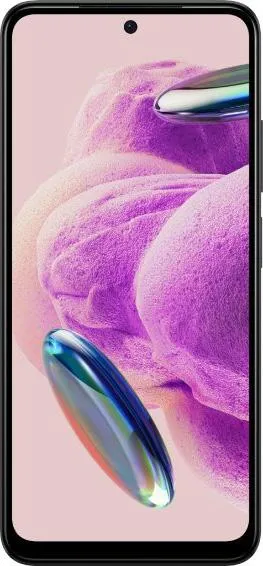
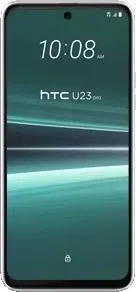
1. Specifications Comparison
| Feature | Xiaomi Redmi Note 12S | HTC U23 Pro | Practical Impact |
|---|---|---|---|
| Design | |||
| Dimensions (mm) | 159.9 x 73.9 x 8.1 | 166.6 x 77.1 x 8.9 | U23 Pro is larger and thicker. May be less comfortable for one-handed use. |
| Weight (g) | 176 | 205 | 12S is noticeably lighter, reducing hand fatigue. |
| Display | |||
| Display Type | AMOLED, 90Hz | OLED, 120Hz | Both offer vibrant colors and deep blacks. U23 Pro's 120Hz offers smoother animations and scrolling. |
| Display Size (inches) | 6.43 | 6.7 | U23 Pro offers a larger screen for media consumption but may be less pocketable. |
| Resolution | 1080 x 2400 | 1080 x 2400 | Similar sharpness due to similar pixel density despite size difference. |
| Peak Brightness (nits) | 1000 | Not specified | 12S's higher peak brightness ensures better visibility in sunlight. U23 Pro's unspecified brightness is a crucial missing detail. |
| Performance | |||
| Chipset | Mediatek Helio G96 (12 nm) | Snapdragon 7 Gen 1 (4 nm) | Snapdragon 7 Gen 1 offers significantly better performance and efficiency due to its more advanced architecture and manufacturing process. |
| CPU | Octa-core (2x2.05 GHz A76 & 6x2.0 GHz A55) | Octa-core (1x2.4 GHz A710 & 3x2.36 GHz A710 & 4x1.8 GHz A510) | U23 Pro has a more powerful and modern CPU architecture, leading to faster app loading, smoother multitasking, and better gaming performance. |
| GPU | Mali-G57 MC2 | Adreno 644 | Adreno 644 provides a significant advantage in graphics performance for demanding games and applications. |
| RAM | 6GB/8GB | 8GB/12GB | U23 Pro offers more RAM in its higher-end configuration, enabling better multitasking and preventing app closures in the background. |
| Camera | |||
| Main Camera | 108MP, f/1.8 | 108MP, f/1.7 | Both have high-resolution sensors. U23 Pro has a slightly wider aperture potentially allowing for better low-light performance. Missing sensor details limit a thorough comparison. |
| Video Recording | 1080p@30fps | 4K@30fps with EIS | U23 Pro offers significantly better video recording capabilities with 4K resolution and Electronic Image Stabilization (EIS). |
| Battery | |||
| Capacity | 5000 mAh | 4600 mAh | 12S has a larger battery capacity, potentially offering longer battery life. However, real-world usage depends on optimization. |
| USB Type | USB Type-C 2.0 | USB Type-C 3.0 | U23 Pro's USB 3.0 offers faster data transfer speeds. |
2. Key Differences Analysis
Xiaomi Redmi Note 12S Advantages:
- Lighter and More Compact: Easier to handle and carry.
- Larger Battery: Potentially longer battery life.
- Lower Price: Offers good value for its features.
HTC U23 Pro Advantages:
- Significantly More Powerful: Smoother performance for demanding tasks and gaming.
- Higher Refresh Rate Display: Smoother scrolling and animations.
- Superior Video Recording: 4K resolution and EIS for stable and high-quality videos.
- Faster Data Transfer: USB 3.0 for quicker file transfers.
Trade-offs:
- The Redmi Note 12S sacrifices performance for a lower price and longer potential battery life.
- The U23 Pro prioritizes performance and features but comes at a higher price and potentially shorter battery life. It is also larger and heavier.
3. User Profiles & Recommendations
Xiaomi Redmi Note 12S:
- Ideal User: Budget-conscious users who prioritize battery life and basic smartphone functionality. Users who prefer a lighter, more compact phone.
- Use Cases: Everyday tasks like social media, browsing, casual gaming, and calling.
HTC U23 Pro:
- Ideal User: Users who demand high performance for gaming, multitasking, and demanding applications. Content creators who need high-quality video recording.
- Use Cases: Mobile gaming, video editing, content creation, multitasking, and power user scenarios.
4. Decision Framework
Key Questions for Buyers:
- What is your budget? The Redmi Note 12S is significantly more affordable.
- What are your primary smartphone usage patterns? Heavy users will appreciate the U23 Pro's performance, while casual users might find the 12S sufficient.
- Do you prioritize portability and battery life or performance and features? The 12S excels in the former, while the U23 Pro excels in the latter.
Scenario-Based Recommendations:
- Limited Budget, Casual User: Redmi Note 12S
- Demanding User, High Budget: HTC U23 Pro
- Balanced Needs, Moderate Budget: Consider other options that might offer a better balance of performance and price.
My Choice: HTC U23 Pro
While the Redmi Note 12S offers excellent value, I would choose the HTC U23 Pro. The significantly improved performance offered by the Snapdragon 7 Gen 1, coupled with the 120Hz display and superior video recording capabilities, are crucial for my usage. I prioritize a smooth and responsive user experience, even if it comes at a higher price. The faster data transfer speeds of USB 3.0 are also a significant advantage. While the larger size and weight are a minor drawback, the overall performance and feature set of the U23 Pro make it the more compelling device for me. The lack of peak brightness information for the U23 pro is concerning, but I'd be willing to research that further before making a final decision.
