1. Specifications Comparison
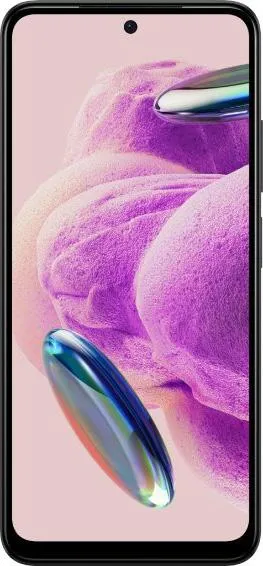
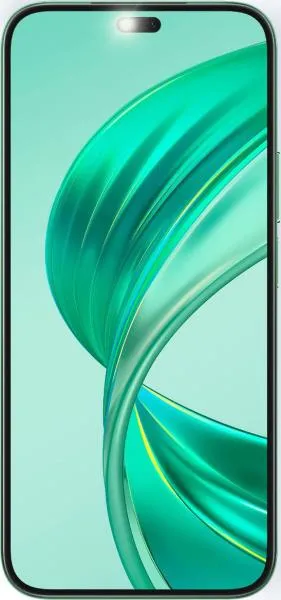
| Feature | Xiaomi Redmi Note 12S | Honor X8b | Practical Impact |
|---|---|---|---|
| Design | |||
| Dimensions (mm) | 159.9 x 73.9 x 8.1 | 161.1 x 74.6 x 6.8 | The Honor X8b is slightly larger but noticeably thinner. The Redmi Note 12S might feel slightly more compact in hand. |
| Weight (g) | 176 | 166 | Negligible weight difference; both phones are relatively lightweight. |
| Display | |||
| Size (inches) | 6.43 | 6.7 | The Honor X8b offers a larger screen for more immersive media consumption and multitasking. |
| Resolution (px) | 1080 x 2400 | 1080 x 2412 | Virtually identical resolution; sharpness will be similar on both. |
| Type | AMOLED, 90Hz | AMOLED, 90Hz | Both feature AMOLED displays with smooth 90Hz refresh rates, resulting in vibrant colors and fluid animations. |
| Peak Brightness (nits) | 1000 | 2000 | The Honor X8b boasts significantly higher peak brightness, ensuring better visibility in direct sunlight. |
| Performance | |||
| Chipset | Mediatek Helio G96 (12nm) | Snapdragon 680 4G (6nm) | The Snapdragon 680, built on a smaller 6nm process, is generally more power-efficient than the Helio G96. This translates to better battery life for the Honor X8b. |
| CPU | Octa-core (2x2.05 GHz Cortex-A76 & 6x2.0 GHz Cortex-A55) | Octa-core (4x2.4 GHz Kryo 265 Gold & 4x1.9 GHz Kryo 265 Silver) | While core configurations differ, real-world performance will be fairly similar for everyday tasks. Benchmarking would be needed for a definitive comparison. |
| GPU | Mali-G57 MC2 | Adreno 610 | The Adreno 610 generally offers slightly better gaming performance than the Mali-G57 MC2. |
| RAM | 6/8GB | 6/8GB | Both offer similar RAM configurations, impacting multitasking capabilities. More RAM allows for more apps to run in the background. |
| Camera | |||
| Main Camera (MP) | 108 | 108 | Both phones have 108MP main sensors, potentially offering detailed photos. Image quality will depend on sensor size and processing, which are not fully specified. |
| Selfie Camera (MP) | 16 | 50 | The Honor X8b has a much higher resolution selfie camera, likely resulting in more detailed self-portraits. |
| Battery | |||
| Capacity (mAh) | 5000 | 4500 | The Redmi Note 12S has a larger battery capacity, suggesting potentially longer battery life. However, real-world usage will depend on factors like software optimization and chipset efficiency. |
| Other | |||
| NFC | Yes | No | The Redmi Note 12S supports NFC for contactless payments and data transfer, a feature absent in the Honor X8b. |
2. Key Differences Analysis
Xiaomi Redmi Note 12S Advantages:
- Larger Battery: Potentially longer battery life.
- NFC: Enables contactless payments and other NFC functionalities.
Honor X8b Advantages:
- Brighter Display: Significantly better outdoor visibility.
- More Power-Efficient Chipset: Likely translates to better battery life despite smaller battery capacity.
- Thinner Design: More pocketable and modern aesthetic.
- Higher Resolution Selfie Camera: Better quality self-portraits.
Trade-offs:
- Honor X8b: Lacks NFC functionality.
- Redmi Note 12S: Less bright display, potentially less power-efficient chipset.
3. User Profiles & Recommendations
Xiaomi Redmi Note 12S: Ideal for users prioritizing battery life, NFC functionality, and a lower price point. Suitable use cases include:
- Everyday use with moderate media consumption
- Contactless payments and utilizing other NFC features
Honor X8b: Best suited for users who value a bright, immersive display and a slim design. Excellent for:
- Media consumption (videos, games) in various lighting conditions
- Users prioritizing a modern, sleek aesthetic
4. Decision Framework
Key Questions for Buyers:
- How important is outdoor visibility? (Honor X8b excels)
- Do you require NFC for contactless payments? (Redmi Note 12S is the only option)
- What is your budget? (Pricing varies; consider the best value for your needs)
My Choice:
I would choose the Honor X8b. While the Redmi Note 12S offers a larger battery and NFC, the significantly brighter display of the Honor X8b is a crucial factor for me. I often use my phone outdoors, and good sunlight visibility is essential. The slimmer design and potentially better power efficiency due to the 6nm chipset are also appealing. The lack of NFC is a minor inconvenience that I can workaround. The superior selfie camera is a bonus for occasional video calls. Ultimately, the Honor X8b offers a more compelling overall package for my usage patterns.
