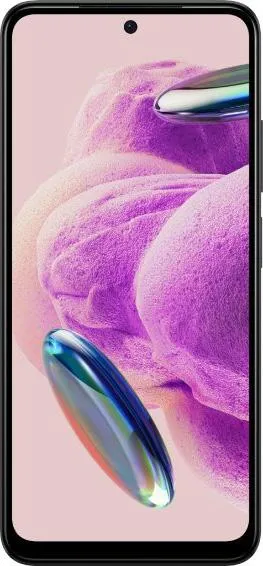
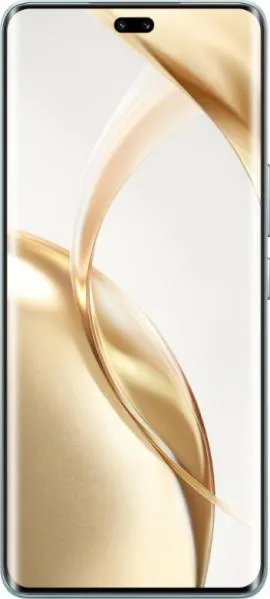
1. Specifications Comparison
| Feature | Xiaomi Redmi Note 12S | Honor 200 Pro | Practical Impact |
|---|---|---|---|
| Design | |||
| Dimensions (mm) | 159.9 x 73.9 x 8.1 | 163.3 x 75.2 x 8.2 | Honor 200 Pro is slightly larger and heavier. |
| Weight (g) | 176 | 199 | Redmi Note 12S is noticeably lighter for one-handed use. |
| Display | |||
| Size (inches) | 6.43 | 6.78 | Honor 200 Pro offers a larger screen for media consumption. |
| Resolution (px) | 1080 x 2400 | 1224 x 2700 | Honor 200 Pro has a sharper display. |
| Type | AMOLED, 90Hz | OLED, 120Hz | Both offer vibrant colors and deep blacks; Honor 200 Pro has a smoother refresh rate for more fluid animations and scrolling. |
| Peak Brightness (nits) | 1000 | 4000 | Honor 200 Pro is significantly brighter for better outdoor visibility. |
| Performance | |||
| Chipset | Mediatek Helio G96 (12 nm) | Qualcomm Snapdragon 8s Gen 3 (4 nm) | Honor 200 Pro boasts significantly more powerful CPU and GPU for demanding tasks and gaming. |
| CPU | Octa-core (2x2.05 GHz A76 & 6x2.0 GHz A55) | Octa-core (1x3.0 GHz X4 & 4x2.8 GHz A720 & 3x2.0 GHz A520) | Honor 200 Pro's CPU architecture is more modern and powerful. |
| RAM (GB) | 6/8 | 12 | Honor 200 Pro offers much more RAM for seamless multitasking and app switching. |
| Camera | |||
| Main Camera (MP) | 108 | 50 | Redmi Note 12S has a higher megapixel count; however, sensor size and other factors impact image quality, which cannot be fully assessed without real-world testing. |
| Ultrawide (MP) | 8 | 12 | Honor 200 pro offers a slightly higher resolution ultrawide. |
| Telephoto | No | 50MP (2.5x optical zoom) | Honor 200 Pro offers optical zoom for better quality zoomed images. |
| Video | 1080p@30fps | 4K@30fps with OIS, EIS | Honor 200 Pro supports higher resolution video recording with optical and electronic image stabilization. |
| Battery | |||
| Capacity (mAh) | 5000 | 5200 | Both offer similar battery life; real-world usage will vary. |
2. Key Differences Analysis
Honor 200 Pro Advantages:
- Significantly more powerful: The Snapdragon 8s Gen 3 offers a substantial performance advantage for demanding tasks, gaming, and future-proofing.
- Superior Display: Brighter, sharper, and smoother with a 120Hz refresh rate.
- Better Camera System: Telephoto lens with optical zoom, 4K video recording with OIS and EIS.
- More Modern Connectivity: Supports 5G and WiFi 6.
Redmi Note 12S Advantages:
- Lighter and More Compact: Easier to handle and carry.
- Potentially Lower Price: Likely more affordable given the mid-range specifications. (Price comparison wasn't possible with given data).
3. User Profiles & Recommendations
Honor 200 Pro: Users who prioritize performance, a premium display, advanced camera features, and future-proof 5G connectivity. Ideal for gamers, content creators, and power users.
Redmi Note 12S: Budget-conscious users who prioritize a lightweight and compact phone for everyday tasks like browsing, social media, and casual photography. Suitable for users who don't demand top-tier performance or cutting-edge features.
4. Decision Framework
Key Questions:
- What is your budget? The Honor 200 Pro is likely significantly more expensive.
- What are your primary use cases? Demanding tasks and gaming benefit from the Honor 200 Pro's power; basic use is well-served by the Redmi Note 12S.
- Do you value portability? The lighter and smaller Redmi Note 12S is easier to handle.
My Choice: Honor 200 Pro
While the Redmi Note 12S offers a compelling value proposition for its likely lower price point, the Honor 200 Pro's significant advantages in performance, display, camera, and connectivity make it the superior choice for me. I prioritize a smooth and responsive user experience, future-proofing with 5G, and a high-quality camera for capturing memories. The slightly larger size and higher price are acceptable trade-offs for the significant gains in overall quality and capabilities. The Snapdragon 8s Gen 3 chip ensures the phone remains performant for several years, making it a worthwhile investment.
