1. Specifications Comparison
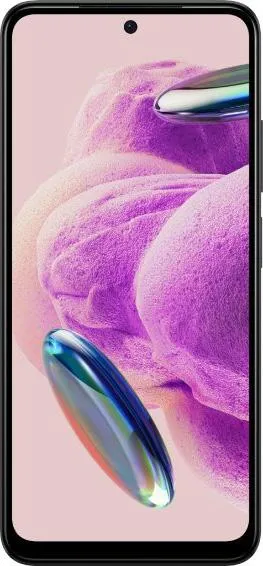
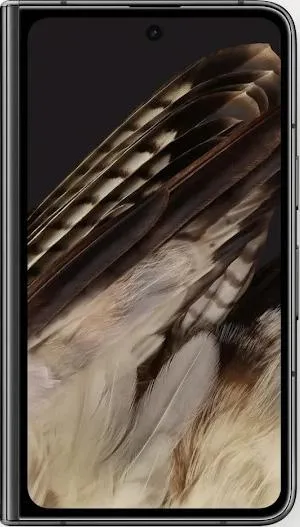
| Feature | Xiaomi Redmi Note 12S | Google Pixel Fold | Practical Impact |
|---|---|---|---|
| Design | |||
| Dimensions | 159.9 x 73.9 x 8.1 mm | 139.7 x 158.7 x 5.8 mm (folded) 139.7 x 79.5 x 12.1 mm (unfolded) | Pixel Fold significantly smaller when folded, but wider when unfolded due to its foldable nature. Redmi Note 12S is thinner overall. |
| Weight | 176g | 283g | Pixel Fold is considerably heavier due to its complex hinge mechanism and larger display. |
| Foldable | No | Yes | Pixel Fold offers a larger, tablet-like inner display and a smaller outer display for quick tasks. Redmi Note 12S has a standard single display. |
| Display | |||
| Display Type | AMOLED, 90Hz | Foldable OLED, 120Hz | Pixel Fold's higher refresh rate provides smoother animations and scrolling. Foldable display offers versatility. |
| Size | 6.43" | 5.8" (outer), 7.6" (inner) | Pixel Fold's larger inner display enhances media consumption and multitasking. Outer display offers convenience for one-handed use. |
| Resolution | 1080 x 2400 | 1080 x 2092 (outer), 1840 x 2208 (inner) | Both offer sharp displays, but Pixel Fold's inner display provides more screen real estate. |
| Peak Brightness | 1000 nits | 1450 nits | Pixel Fold's higher peak brightness improves outdoor visibility. |
| Performance | |||
| Chipset | Mediatek Helio G96 (12nm) | Google Tensor G2 (5nm) | Tensor G2 offers significantly better performance and AI capabilities compared to the Helio G96. |
| CPU | Octa-core (2x2.05 GHz Cortex-A76 & 6x2.0 GHz Cortex-A55) | Octa-core (2x2.85 GHz Cortex-X1 & 2x2.35 GHz Cortex-A78 & 4x1.80 GHz Cortex-A55) | Pixel Fold has a much more powerful CPU architecture resulting in faster processing speeds and better multitasking. |
| GPU | Mali-G57 MC2 | Mali-G710 MP7 | Pixel Fold's GPU provides superior graphics performance for demanding games and apps. |
| RAM | 6GB/8GB | 12GB | Pixel Fold's larger RAM enables smoother multitasking and better performance with memory-intensive applications. |
| Camera | |||
| Main Camera | 108MP | 48MP | While the Redmi Note 12S boasts higher megapixels, the Pixel Fold likely offers better overall image quality due to Google's superior image processing. |
| Video Recording | 1080p@30fps | 4K@60fps with HDR | Pixel Fold offers significantly better video recording capabilities with higher resolution and HDR support. |
| Battery | |||
| Capacity | 5000 mAh | 4821 mAh | Comparable battery capacities, but real-world battery life will depend on usage patterns and the Pixel Fold's larger, higher refresh rate display may consume more power. |
2. Key Differences Analysis
Xiaomi Redmi Note 12S Advantages:
- Lower Price: Significantly more affordable.
- Lighter and Thinner: More pocketable for everyday carry.
- Larger Battery Capacity (slightly): Potentially longer battery life for basic usage.
Google Pixel Fold Advantages:
- Superior Performance: Significantly faster processor, GPU, and more RAM.
- Foldable Display: Offers greater versatility for multitasking and media consumption.
- Higher Quality Camera System: Likely produces better photos and videos due to Google's advanced image processing.
- Better Software Experience: Clean Android experience with faster updates.
- 5G Connectivity: Supports faster cellular data speeds (depending on region and carrier).
3. User Profiles & Recommendations
Xiaomi Redmi Note 12S: Budget-conscious users who prioritize basic smartphone functionalities like calling, texting, social media, and light gaming.
Google Pixel Fold: Users who value cutting-edge technology, premium performance, and a unique foldable form factor. Ideal for multitasking, media consumption, and productivity on the go. Early adopters who are willing to pay a premium for innovation.
4. Decision Framework
Key Questions for Buyers:
- Budget: How much are you willing to spend?
- Performance Needs: Do you need top-tier performance for demanding tasks or gaming?
- Form Factor Preference: Do you value the versatility of a foldable device or prefer a traditional smartphone design?
My Choice: Google Pixel Fold
While significantly more expensive, the Google Pixel Fold offers a compelling combination of innovation, performance, and a premium user experience. The foldable display truly changes how you interact with a smartphone, allowing for seamless transitions between phone and tablet modes. The Tensor G2 chip ensures smooth performance, and Google's camera prowess is well-known. Although the battery life is a concern given the large, high refresh rate displays, the overall benefits outweigh the drawbacks for me. The Redmi Note 12S is a solid budget option, but it lacks the performance and features to compete with the Pixel Fold in the long run. I prioritize performance, a fluid user experience, and the innovative form factor, making the Pixel Fold the clear winner for my needs.
