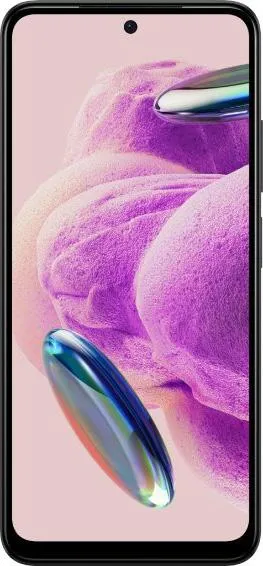

1. Specifications Comparison
| Feature | Xiaomi Redmi Note 12S | Google Pixel 9 | Practical Impact |
|---|---|---|---|
| Design | |||
| Dimensions (mm) | 159.9 x 73.9 x 8.1 | 152.8 x 72 x 8.5 | Pixel 9 is slightly smaller and marginally thicker. |
| Weight (g) | 176 | 198 | Redmi Note 12S is noticeably lighter, reducing hand fatigue during extended use. |
| Display | |||
| Display Type | AMOLED, 90Hz | OLED, 120Hz | Both offer vibrant colors and deep blacks. Pixel 9's 120Hz provides smoother animations and scrolling. |
| Peak Brightness (nits) | 1000 | 2700 | Pixel 9 offers significantly better outdoor visibility in direct sunlight. |
| HDR | No Dolby Vision, HDR10/10+ unclear | HDR10+ | Pixel 9 supports HDR10+ for enhanced video content with wider color gamuts and higher dynamic range. |
| Performance | |||
| Chipset | Mediatek Helio G96 (12nm) | Google Tensor G4 (4nm) | Tensor G4 offers significantly improved performance, efficiency, and AI capabilities compared to the Helio G96. |
| CPU | Octa-core (2x2.05 GHz A76 & 6x2.0 GHz A55) | Octa-core (1x3.1 GHz X4 & 3x2.6 GHz A720 & 4x1.92 GHz A520) | Pixel 9's more modern and powerful CPU architecture will handle demanding tasks and multitasking much better. |
| RAM | 6GB/8GB | 12GB | Pixel 9's larger RAM enables smoother multitasking and better performance with memory-intensive applications. |
| Camera | |||
| Main Camera (MP) | 108MP | 50MP | While Redmi has higher resolution, Pixel 9 utilizes advanced computational photography for potentially superior image quality despite lower resolution. |
| Video Recording | 1080p@30fps | Up to 4K@60fps with HDR, OIS, EIS | Pixel 9 offers significantly better video recording capabilities with higher resolution, frame rates, and stabilization. |
| Battery | |||
| Capacity (mAh) | 5000 | 4700 | Redmi Note 12S has a slightly larger battery, potentially offering longer battery life. However, real-world usage depends on optimization. |
2. Key Differences Analysis
Xiaomi Redmi Note 12S Advantages:
- Lower Price: Significantly more affordable.
- Lighter Weight: More comfortable for extended use.
- Larger Battery: Potential for longer battery life.
Google Pixel 9 Advantages:
- Significantly Superior Performance: Smoother overall experience, better for demanding tasks and gaming.
- Better Display: Higher refresh rate, brighter screen for improved outdoor visibility, HDR10+ support.
- Advanced Camera Features: Computational photography, superior video recording capabilities.
- Longer Software Support: Guaranteed updates for a longer period.
Trade-offs:
- Redmi Note 12S: Trades performance, camera quality, and software updates for a lower price and potentially longer battery life.
- Pixel 9: Trades battery capacity and affordability for significantly better performance, camera, display, and software support.
3. User Profiles & Recommendations
Xiaomi Redmi Note 12S:
- Budget-conscious users: Prioritize affordability over top-tier specs.
- Casual users: Primarily use phone for basic tasks like calling, texting, social media, and light web browsing.
- Users prioritizing battery life: Value longer usage time on a single charge.
Google Pixel 9:
- Power users: Demand high performance for gaming, multitasking, and demanding applications.
- Photography enthusiasts: Value advanced camera features and computational photography.
- Users prioritizing software updates: Want the latest Android features and security patches for an extended period.
4. Decision Framework
Key Questions for Buyers:
- What is your budget? The Pixel 9 is significantly more expensive.
- What are your primary phone usage patterns? Casual users might find the Redmi Note 12S sufficient, while power users will appreciate the Pixel 9's performance.
- How important are camera quality and software updates? The Pixel 9 excels in these areas.
Scenario-Based Recommendations:
- Limited Budget: Redmi Note 12S
- Best Overall Experience: Pixel 9
- Best Value: This is subjective, but the Redmi Note 12S likely offers better value for its price, while the Pixel 9 offers a premium experience at a premium price.
My Choice: Google Pixel 9
While the Redmi Note 12S offers good value for its price, I would choose the Google Pixel 9. The significantly superior performance, smoother display, advanced camera capabilities, and guaranteed long-term software updates are crucial factors for me. I prioritize a fluid user experience and value the latest software features and security patches. While the price difference is substantial, the Pixel 9's overall package justifies the cost for my needs. The Tensor G4's AI capabilities and the improved camera experience, especially in video recording, are compelling advantages. The lighter weight of the Redmi is appealing, but not enough to outweigh the Pixel's strengths.
