1. Specifications Comparison
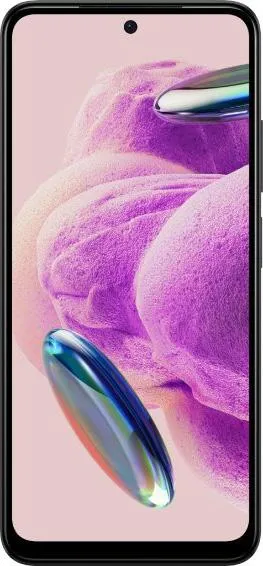
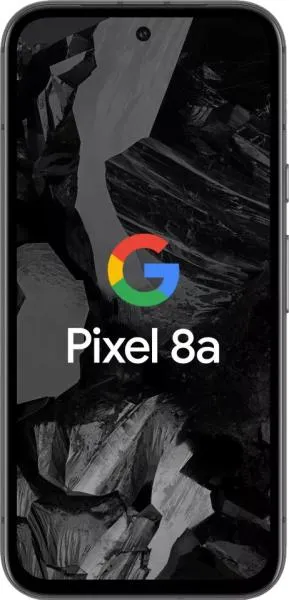
| Feature | Xiaomi Redmi Note 12S | Google Pixel 8a | Practical Impact |
|---|---|---|---|
| Design | |||
| Dimensions (mm) | 159.9 x 73.9 x 8.1 | 152.1 x 72.7 x 8.9 | Pixel 8a is slightly smaller and thicker. |
| Weight (g) | 176 | 188 | Redmi Note 12S is noticeably lighter. |
| Build Materials | Not specified | Not specified | Cannot compare build quality. |
| Display | |||
| Display Type | AMOLED | OLED | Both offer excellent contrast and vibrant colors, but specific panel quality cannot be compared without further data. |
| Display Size (inches) | 6.43 | 6.1 | Redmi Note 12S has a larger screen for media consumption. |
| Resolution | 1080 x 2400 | 1080 x 2400 | Identical resolution, but Pixel 8a has a slightly higher pixel density due to smaller screen size. |
| Refresh Rate (Hz) | 90 | 120 | Pixel 8a offers smoother scrolling and animations. |
| Peak Brightness (nits) | 1000 | 2000 (peak) | Pixel 8a's significantly higher peak brightness ensures better visibility in sunlight. |
| Performance | |||
| Chipset | Mediatek Helio G96 (12nm) | Google Tensor G3 (4nm) | Tensor G3 offers significantly better performance and power efficiency due to its more advanced architecture and smaller process node. |
| CPU | Octa-core (2x2.05 GHz Cortex-A76 & 6x2.0 GHz Cortex-A55) | Nona-core (1x3.0 GHz Cortex-X3 & 4x2.45 GHz Cortex-A715 & 4x2.15 GHz Cortex-A510) | Tensor G3's more modern CPU architecture will result in much faster processing speeds. |
| GPU | Mali-G57 MC2 | Immortalis-G715s MC10 | Immortalis-G715s MC10 provides significantly improved graphics performance for demanding games and applications. |
| RAM | 6GB/8GB | 8GB | Pixel 8a offers more RAM in its base configuration, enabling better multitasking. |
| Camera | |||
| Main Camera (MP) | 108 | 64 | Redmi Note 12S boasts higher megapixel count, but sensor size and other factors influence overall image quality. Pixel's computational photography often outperforms higher megapixel sensors. |
| Video Recording | 1080p@30fps | Up to 4K@60fps with OIS | Pixel 8a offers significantly better video recording capabilities with higher resolution, frame rates and Optical Image Stabilization. |
| Camera Features | Triple Camera, Night Mode | Dual Camera, OIS, Night Mode, Pro Video Mode | Pixel 8a has fewer lenses but offers superior features like OIS and Pro Video Mode. |
| Battery | |||
| Capacity (mAh) | 5000 | 4492 | Redmi Note 12S has a larger battery capacity, potentially offering longer battery life. However, real-world usage depends heavily on optimization. |
| Charging Speed | Not specified | Not specified | Cannot compare charging speeds without detailed specs. |
2. Key Differences Analysis
Xiaomi Redmi Note 12S Advantages:
- Larger display: Better for media consumption.
- Potentially longer battery life: Larger battery capacity suggests longer usage.
- Lighter weight: More comfortable for extended use.
- Lower price: Offers better value for budget-conscious buyers (based on provided limited price data).
Google Pixel 8a Advantages:
- Significantly superior performance: Tensor G3 provides a much smoother and faster user experience.
- Higher quality display: Higher refresh rate and peak brightness enhance visual quality.
- More advanced camera system: OIS, 4K video recording, and Google's computational photography capabilities significantly improve image and video quality.
- Longer software support: Guaranteed updates for several years ensure a secure and feature-rich experience.
- 5G Connectivity: Offers faster mobile data speeds.
3. User Profiles & Recommendations
Xiaomi Redmi Note 12S:
- Ideal User: Budget-conscious users prioritizing a large display and long battery life for everyday tasks like social media, browsing, and casual gaming.
- Use Cases: Casual gaming, media consumption, basic photography, general smartphone usage.
Google Pixel 8a:
- Ideal User: Users prioritizing performance, camera quality, and long-term software support. Suitable for demanding tasks, mobile photography enthusiasts, and those seeking a future-proof device.
- Use Cases: Demanding gaming, professional photography/videography, multitasking, utilizing AI-powered features.
4. Decision Framework
Key Questions:
- What is your budget?
- What are your primary smartphone usage patterns (e.g., gaming, photography, social media)?
- How important are performance, camera quality, and software updates to you?
Scenario-Based Recommendations:
- Tight Budget, Basic Usage: Redmi Note 12S offers excellent value.
- Balanced Needs: Pixel 8a justifies its higher price with significantly improved performance, camera, and software support.
- Power User: Pixel 8a is the clear choice for demanding tasks and future-proofing.
My Choice: Google Pixel 8a
While the Redmi Note 12S offers a larger battery and lower price, the Pixel 8a's significantly superior performance, camera system, display quality, and guaranteed long-term software support make it the better choice for me. I value a smooth and responsive user experience, high-quality photos and videos, and the assurance of timely software updates, which the Pixel 8a delivers. The more powerful processor, better GPU, and higher refresh rate display will ensure a more enjoyable and future-proof experience. The superior camera system with OIS and advanced video recording capabilities also aligns better with my needs. While the price difference is notable, the long-term benefits of the Pixel 8a outweigh the initial cost.
