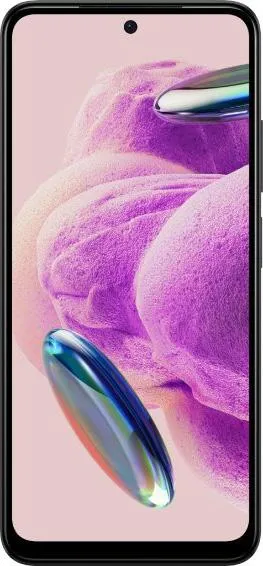
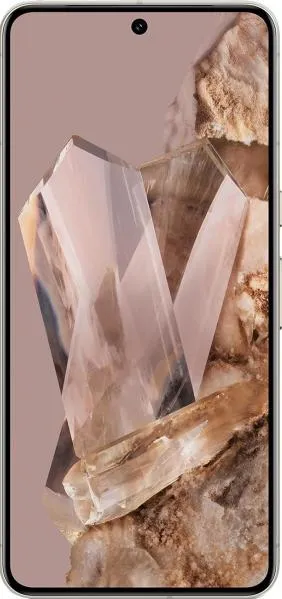
1. Specifications Comparison
| Feature | Xiaomi Redmi Note 12S | Google Pixel 8 Pro | Practical Impact |
|---|---|---|---|
| Design | |||
| Dimensions (mm) | 159.9 x 73.9 x 8.1 | 162.6 x 76.5 x 8.8 | Pixel 8 Pro is slightly larger and thicker. |
| Weight (g) | 176 | 213 | Redmi Note 12S is noticeably lighter, more comfortable for extended use. |
| Build | Not specified | Not specified | Build quality and materials cannot be compared without further information. |
| Display | |||
| Display Type | AMOLED, 90Hz | LTPO OLED, 120Hz | Pixel 8 Pro's LTPO OLED allows for variable refresh rate, saving battery. 120Hz provides smoother scrolling and animations compared to 90Hz on the Redmi. |
| Display Size (inches) | 6.43 | 6.7 | Pixel 8 Pro offers a larger screen for more immersive media consumption. |
| Resolution | 1080 x 2400 | 1344 x 2992 | Pixel 8 Pro has a sharper display with higher pixel density (489 vs 409 ppi). |
| Peak Brightness (nits) | 1000 | 2400 | Pixel 8 Pro is significantly brighter, ensuring better visibility in sunlight. HDR content will also look better. |
| Performance | |||
| Chipset | Mediatek Helio G96 (12nm) | Google Tensor G3 (4nm) | Tensor G3 is a more powerful and efficient chip, built on a more advanced process node, leading to better performance and battery life. |
| CPU | Octa-core (2x2.05 GHz Cortex-A76 & 6x2.0 GHz Cortex-A55) | Nona-core (1x3.0 GHz Cortex-X3 & 4x2.45 GHz Cortex-A715 & 4x2.15 GHz Cortex-A510) | Pixel 8 Pro boasts a more powerful CPU architecture for demanding tasks and multitasking. |
| GPU | Mali-G57 MC2 | Immortalis-G715s MC10 | Pixel 8 Pro will have significantly better gaming and graphics performance. |
| RAM | 6GB/8GB | 12GB | Pixel 8 Pro offers more RAM for smoother multitasking and app switching. |
| Camera | |||
| Main Camera | 108MP, f/1.8 | 50MP, f/1.69 | While Redmi has higher resolution, Pixel's larger sensor (1/1.31\" vs 1/1.52\") and wider aperture likely result in better low-light performance and depth of field. Google's superior image processing is a key factor. |
| Ultrawide | 8MP, f/2.2 | 48MP, f/1.95, Macro | Pixel 8 Pro offers a significantly better ultrawide camera with higher resolution and macro capabilities. |
| Telephoto | None | 48MP, f/2.8, 5x Optical Zoom | Pixel 8 Pro features a dedicated telephoto lens for optical zoom, missing on the Redmi. |
| Video | 1080p@30fps | Up to 4K@60fps with HDR, OIS, EIS | Pixel 8 Pro offers superior video recording capabilities with higher resolution, frame rates, and stabilization. |
| Battery | |||
| Capacity | 5000mAh | 5050mAh | Similar battery capacities, though real-world battery life will depend more on efficiency. |
| Charging | Not specified | Not specified | Charging speeds cannot be compared without further details. |
2. Key Differences Analysis
Xiaomi Redmi Note 12S Advantages:
- Lighter and More Compact: More comfortable for one-handed use and carrying.
- Lower Price: Offers a more budget-friendly option.
Google Pixel 8 Pro Advantages:
- Significantly More Powerful: Superior performance for demanding tasks, gaming, and future-proofing.
- Superior Display: Brighter, sharper, and smoother with LTPO technology.
- Much Better Camera System: Superior image quality, especially in low light, versatile lens options (telephoto and macro), and advanced video capabilities.
- Longer Software Support: Google phones receive guaranteed OS and security updates for longer.
3. User Profiles & Recommendations
Xiaomi Redmi Note 12S: Budget-conscious users prioritizing basic smartphone functionality, social media, light gaming, and all-day battery life.
Google Pixel 8 Pro: Users who demand top-tier performance, the best camera experience, a premium display, and the latest software features. Ideal for power users, mobile photographers/videographers, and those who value a smooth and future-proof experience.
4. Decision Framework
Key Questions for Buyers:
- What is your budget? The Redmi Note 12S is significantly cheaper.
- What are your primary smartphone uses? For basic tasks, the Redmi suffices. For demanding tasks, gaming, or photography, the Pixel 8 Pro excels.
- How important are software updates and future-proofing? The Pixel 8 Pro will receive longer software support.
My Choice: Google Pixel 8 Pro
While the Redmi Note 12S offers good value for its price, the Pixel 8 Pro's significant advantages in performance, camera, display, and software support make it the clear winner for me. I prioritize a smooth user experience, high-quality photography, and the assurance of long-term software updates. The price difference is justifiable for the superior technology and extended usability the Pixel 8 Pro offers. The Tensor G3, coupled with the superior camera hardware and Google's computational photography prowess, makes the Pixel 8 Pro a compelling device. Furthermore, the brighter, higher resolution display with a 120Hz refresh rate provides a tangible improvement in daily use.
