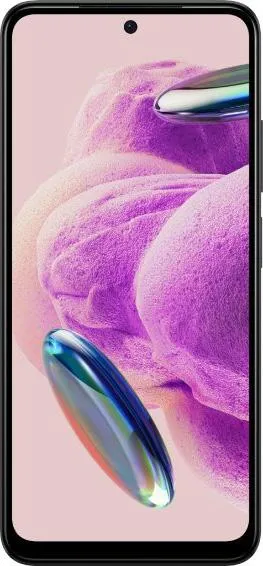
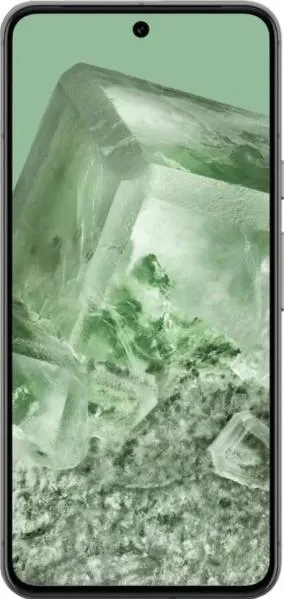
1. Specifications Comparison
| Feature | Xiaomi Redmi Note 12S | Google Pixel 8 | Practical Impact |
|---|---|---|---|
| Design | |||
| Dimensions (HxWxD, mm) | 159.9 x 73.9 x 8.1 | 150.5 x 70.8 x 8.9 | Pixel 8 is slightly shorter, narrower, and thicker, potentially offering a more compact feel despite being heavier. |
| Weight (g) | 176 | 187 | Redmi Note 12S is noticeably lighter, improving one-handed use and reducing pocket fatigue. |
| Display | |||
| Display Type | AMOLED, 90Hz | OLED, 120Hz | Pixel 8's 120Hz display provides smoother scrolling and animations. Both are OLED, offering vibrant colors and deep blacks. |
| Peak Brightness (nits) | 1000 | 2000 | Pixel 8's significantly higher peak brightness ensures better outdoor visibility in direct sunlight. |
| Display Size (inches) | 6.43 | 6.2 | Redmi Note 12S offers slightly more screen real estate, but the difference is minimal. |
| Resolution (px) | 1080 x 2400 | 1080 x 2400 | Identical resolution, but Pixel 8 has a slightly higher pixel density due to the smaller screen size, resulting in marginally sharper text and images. |
| HDR Support | No HDR10/Dolby Vision | HDR10+ | Pixel 8 supports HDR10+ for enhanced video dynamic range on compatible content. |
| Performance | |||
| Chipset | Mediatek Helio G96 | Google Tensor G3 | Tensor G3 offers significantly better performance in demanding tasks, gaming, and AI-powered features due to its more modern and powerful architecture. |
| CPU | Octa-core (2x2.05 GHz Cortex-A76 & 6x2.0 GHz Cortex-A55) | Nona-core (1x3.0 GHz Cortex-X3 & 4x2.45 GHz Cortex-A715 & 4x2.15 GHz Cortex-A510) | Pixel 8's CPU boasts a more powerful core configuration, leading to faster processing speeds. |
| GPU | Mali-G57 MC2 | Immortalis-G715s MC10 | Pixel 8's GPU significantly outperforms the Redmi Note 12S, delivering smoother gaming and faster graphics rendering. |
| RAM | 6/8GB | 8GB | Both offer ample RAM for multitasking, but the Pixel 8's configuration is generally better suited for demanding applications. |
| OS | Android 13 | Android 14 | Pixel 8 ships with the latest Android version and will receive longer software updates and security patches. |
| Camera | |||
| Main Camera (MP) | 108 | 50 | Redmi Note 12S has a higher megapixel count, but Pixel 8 utilizes larger pixels (1.2µm vs 0.7µm) and advanced computational photography for potentially better image quality. |
| Video Recording | 1080p@30fps | Up to 4K@60fps | Pixel 8 offers superior video recording capabilities with higher resolution and frame rates, along with features like OIS and EIS for smoother, more stable footage. |
| Battery | |||
| Capacity (mAh) | 5000 | 4575 | Redmi Note 12S has a larger battery capacity, potentially offering longer battery life. However, real-world usage will depend on software optimization and usage patterns. |
2. Key Differences Analysis
Xiaomi Redmi Note 12S Advantages:
- Lower Price: Significantly more affordable.
- Larger Battery: Potentially longer battery life.
- Lighter Weight: More comfortable for extended use.
Google Pixel 8 Advantages:
- Superior Performance: Significantly faster processor and GPU for smoother multitasking and gaming.
- Better Camera Quality: Advanced computational photography and larger sensor likely result in better low-light performance and overall image quality.
- Higher Quality Display: Smoother 120Hz refresh rate and much brighter for better outdoor visibility.
- Longer Software Support: Guaranteed updates for a longer period, ensuring security and new features.
- 5G Connectivity: Faster data speeds and improved network performance in areas with 5G coverage.
Trade-offs:
- The Redmi Note 12S sacrifices performance, camera quality, and display quality for a lower price and larger battery.
- The Pixel 8 prioritizes performance, camera, and software updates but comes at a higher price and with a slightly smaller battery.
3. User Profiles & Recommendations
Xiaomi Redmi Note 12S: Budget-conscious users who prioritize battery life and basic functionality over top-tier performance and camera capabilities. Ideal for:
- Casual social media users
- Light gaming
- Users primarily consuming content rather than creating it
Google Pixel 8: Users who demand top-notch performance, a premium camera experience, the latest software, and don't mind paying a premium. Ideal for:
- Mobile gamers
- Photography enthusiasts
- Power users who demand smooth multitasking and fast app loading
- Users who value software updates and long-term device support.
4. Decision Framework
Key Questions:
- What is your budget? The Pixel 8 is significantly more expensive.
- What are your primary smartphone usage patterns? (Gaming, photography, social media, etc.)
- How important are software updates and future-proofing?
Scenario-Based Recommendations:
- Limited Budget, Basic Usage: Redmi Note 12S
- Balanced Budget, Moderate Usage: Consider other mid-range options that might offer a better balance of features and price.
- Performance and Camera Focused: Google Pixel 8
- Future-Proofing and Latest Features: Google Pixel 8
My Choice: Google Pixel 8
While the Redmi Note 12S offers excellent value for its price, the Google Pixel 8 is the superior device overall. Its significantly better performance, camera, display, and guaranteed software updates make it a more compelling choice for my needs. I prioritize a smooth user experience, high-quality photos, and long-term software support, and I'm willing to pay the premium for those features. The Tensor G3 chip ensures future-proof performance, and the Pixel's camera consistently delivers impressive results. While the slightly smaller battery is a minor concern, the overall package offered by the Pixel 8 makes it the clear winner for me.
