
1. Specifications Comparison
| Feature | Xiaomi Redmi Note 12S | Asus Zenfone 10 | Practical Impact |
|---|---|---|---|
| Design | |||
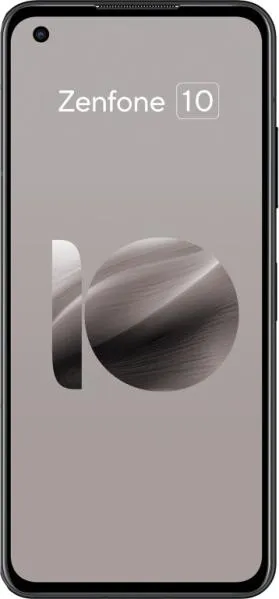
| Dimensions (mm) | 159.9 x 73.9 x 8.1 | 146.5 x 68.1 x 9.4 | Zenfone 10 is significantly smaller and more pocketable, but slightly thicker. |
| Weight (g) | 176 | 172 | Negligible weight difference. |
| Build Material | Missing | Missing | Material differences can impact durability and premium feel; information lacking here. |
| Display | |||
| Display Size (inches) | 6.43 | 5.92 | Redmi Note 12S offers a larger screen for media consumption; Zenfone 10 is better for one-handed use. |
| Resolution | 1080 x 2400 | 1080 x 2400 | Identical resolution, but Zenfone 10 has higher pixel density due to smaller size, resulting in sharper images. |
| Refresh Rate (Hz) | 90 | 144 | Zenfone 10's significantly higher refresh rate will provide a smoother and more responsive experience, especially noticeable in gaming and scrolling. |
| Display Type | AMOLED | Super AMOLED | While both are AMOLED, "Super AMOLED" often indicates potential improvements in brightness and color accuracy, though specific panel details are missing. Zenfone 10 also supports HDR10+ for better video quality. |
| Peak Brightness (nits) | 1000 | 1100 | Zenfone 10 is slightly brighter, potentially improving outdoor visibility. |
| Performance | |||
| Chipset | Mediatek Helio G96 (12 nm) | Snapdragon 8 Gen 2 (4 nm) | Snapdragon 8 Gen 2 is vastly more powerful, enabling significantly better performance in demanding tasks and gaming. |
| CPU | Octa-core (2x2.05 GHz Cortex-A76 & 6x2.0 GHz Cortex-A55) | Octa-core (1x3.2 GHz Cortex-X3 & 2x2.8 GHz Cortex-A715 & 2x2.8 GHz Cortex-A710 & 3x2.0 GHz Cortex-A510) | Zenfone 10 has a much more modern and powerful CPU architecture. |
| GPU | Mali-G57 MC2 | Adreno 740 | Adreno 740 offers significantly improved graphics performance for gaming and graphically intensive applications. |
| RAM | 6GB | 8GB/16GB | Zenfone 10 offers more RAM in its configurations, allowing for better multitasking and smoother performance with demanding apps. |
| Camera | |||
| Main Camera (MP) | 108 | 50 | Redmi Note 12S has a higher megapixel count, but Zenfone 10 uses a larger sensor (Sony IMX766) generally known for better low-light performance and dynamic range. Pixel binning details suggest both target similar output resolution. |
| Video Recording | 1080p@30fps | 8K@24fps, 4K@60fps | Zenfone 10 offers vastly superior video recording capabilities with higher resolution and frame rates. It also features gimbal stabilization for smoother footage. |
| Battery | |||
| Capacity (mAh) | 5000 | 4300 | Redmi Note 12S has a larger battery capacity, potentially offering longer battery life. However, real-world battery life depends on numerous factors including software optimization and display usage. |
2. Key Differences Analysis
Xiaomi Redmi Note 12S Advantages:
- Larger Display: Better for media consumption.
- Larger Battery: Potentially longer battery life.
- Lower Price: Offers a more budget-friendly option (based on provided "medium price" categorization, actual pricing may vary).
Asus Zenfone 10 Advantages:
- Significantly More Powerful: Superior performance for demanding tasks and gaming due to the Snapdragon 8 Gen 2 chipset.
- Smoother Display: 144Hz refresh rate delivers a noticeably smoother user experience.
- Higher Quality Camera: While megapixel count is lower, the larger sensor and superior video recording capabilities point towards a better overall camera experience.
- Smaller and More Compact: Easier for one-handed use and portability.
3. User Profiles & Recommendations
Xiaomi Redmi Note 12S: Suitable for budget-conscious users who prioritize a large display and long battery life for everyday tasks like browsing, social media, and casual gaming.
Asus Zenfone 10: Ideal for users who demand top-tier performance, a smooth display, and a high-quality camera. Excellent for mobile gaming, demanding applications, and content creation. Good choice for those who prefer a compact phone.
4. Decision Framework
Key Questions for Buyers:
- What is your budget? The Redmi Note 12S is expected to be significantly cheaper.
- What is your primary use case? Casual use vs. demanding gaming/content creation.
- Do you prioritize a large screen or a compact form factor?
Scenario-Based Recommendations:
- Tight Budget, Casual Use: Redmi Note 12S
- Demanding Games, Best Performance: Asus Zenfone 10
- Compact Phone with Premium Features: Asus Zenfone 10
My Choice: Asus Zenfone 10
While the Redmi Note 12S offers a larger battery and display at a lower price point, the Asus Zenfone 10's significantly superior performance, smoother display, and higher quality camera make it the clear winner for me. I value a fluid user experience and the capabilities provided by a flagship chipset. The compact form factor is also appealing. I am willing to compromise on battery capacity (and potentially battery life) for the substantial gains in overall performance and user experience. The long-term value proposition of the Zenfone 10, with its powerful hardware ensuring a longer usable lifespan, further solidifies my choice.
