1. Specifications Comparison
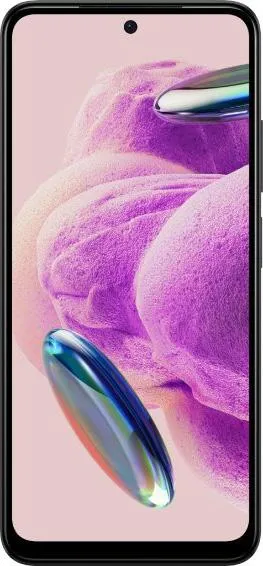
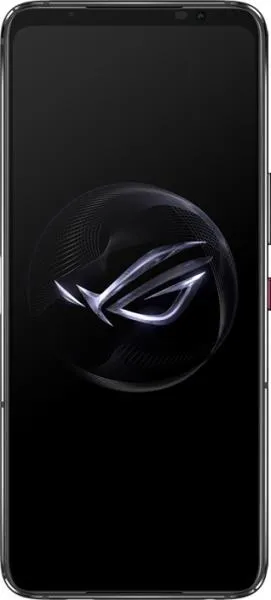
| Feature | Xiaomi Redmi Note 12S | Asus ROG Phone 7 | Practical Impact |
|---|---|---|---|
| Design | |||
| Dimensions (mm) | 159.9 x 73.9 x 8.1 | 173 x 77 x 10.3 | ROG Phone 7 is larger and thicker. |
| Weight (g) | 176 | 239 | ROG Phone 7 is significantly heavier, potentially less comfortable for extended use. |
| Build Material | Not specified | Not specified | Cannot compare build quality and durability. |
| Display | |||
| Display Size (inches) | 6.43 | 6.78 | ROG Phone 7 offers a larger screen for more immersive media consumption. |
| Resolution (pixels) | 1080 x 2400 | 1080 x 2448 | Similar sharpness; negligible real-world difference. |
| Refresh Rate (Hz) | 90 | 165 | ROG Phone 7's significantly higher refresh rate provides smoother animations and scrolling, especially beneficial for gaming. |
| Display Type | AMOLED | AMOLED | Both offer vibrant colors and deep blacks. |
| Peak Brightness (nits) | 1000 | 1500 | ROG Phone 7's higher peak brightness ensures better visibility in direct sunlight. |
| Performance | |||
| Chipset | Mediatek Helio G96 (12 nm) | Qualcomm Snapdragon 8 Gen 2 (4 nm) | ROG Phone 7 boasts a significantly more powerful processor, resulting in much faster performance for demanding tasks and gaming. |
| CPU | Octa-core (2x2.05 GHz Cortex-A76 & 6x2.0 GHz Cortex-A55) | Octa-core (1x3.2 GHz Cortex-X3 & 2x2.8 GHz Cortex-A715 & 2x2.8 GHz Cortex-A710 & 3x2.0 GHz Cortex-A510) | ROG Phone 7's CPU offers superior core performance and architecture for significantly faster processing. |
| GPU | Mali-G57 MC2 | Adreno 740 | ROG Phone 7 provides vastly superior graphics performance, crucial for high-end gaming and graphically intensive applications. |
| RAM (GB) | 6/8 | 12/16 | ROG Phone 7's larger RAM enables smoother multitasking and handling more demanding applications. |
| Camera | |||
| Main Camera (MP) | 108 | 50 | Redmi Note 12S has higher megapixel count; however, sensor size and other factors impact overall image quality, which cannot be fully assessed with given data. |
| Front Camera (MP) | 16 | 32 | ROG Phone 7 has a higher resolution front camera, potentially capturing more detailed selfies. |
| Video Recording | 1080p@30fps | 8K@24fps | ROG Phone 7 offers significantly higher video resolution capabilities. |
| Battery | |||
| Capacity (mAh) | 5000 | 6000 | ROG Phone 7 offers a larger battery capacity, potentially translating to longer battery life. However, its powerful processor might also consume more power. |
2. Key Differences Analysis
Xiaomi Redmi Note 12S Advantages:
- Potentially more affordable: Belongs to a medium price range, making it accessible to a wider audience.
- Lighter and more compact: Easier to handle and carry for extended periods.
Asus ROG Phone 7 Advantages:
- Significantly more powerful: Superior performance for gaming, demanding applications, and multitasking.
- Higher refresh rate display: Smoother and more responsive visual experience.
- Larger battery: Potential for longer battery life, though real-world usage will vary.
- Superior camera capabilities: Higher resolution video recording and potentially better image quality overall, although complete sensor information is lacking for a full comparison.
Trade-offs:
- Price: The ROG Phone 7's high performance comes at a significantly higher price.
- Size and Weight: The ROG Phone 7 is larger and heavier, which might not be ideal for all users.
3. User Profiles & Recommendations
Xiaomi Redmi Note 12S:
- Ideal User: Budget-conscious users seeking a reliable phone for everyday tasks, social media, and casual gaming.
- Use Cases: Web browsing, social media, light productivity, casual gaming, media consumption.
Asus ROG Phone 7:
- Ideal User: Gamers, power users, and content creators who demand top-tier performance, a smooth display, and advanced features.
- Use Cases: Demanding mobile gaming, video editing, professional photography/videography, heavy multitasking.
4. Decision Framework
Key Questions for Buyers:
- What is your budget? The price difference between these phones is significant.
- What are your primary use cases? Will you utilize the ROG Phone 7's extra performance, or is a mid-range phone sufficient?
- What is your preferred form factor? Do you prioritize a lighter, more compact phone, or are you comfortable with a larger and heavier device?
My Choice: Asus ROG Phone 7
While significantly more expensive, the Asus ROG Phone 7 aligns with my preference for top-tier performance and a smooth user experience. The Snapdragon 8 Gen 2, coupled with the 165Hz display, ensures a fluid and responsive experience in demanding games and applications, which is crucial for me. The larger battery is also appealing, despite the potential for higher power consumption due to the powerful processor. While the Redmi Note 12S is a solid mid-range option, the performance gap is too significant to ignore for my usage patterns. The substantial difference in processing power, graphics capabilities, and refresh rate makes the ROG Phone 7 a future-proof investment for demanding tasks and ensures a superior user experience in the long run. I acknowledge the higher price and larger size, but these trade-offs are acceptable considering the significant performance advantages.
