1. Specifications Comparison
| Feature | Xiaomi Redmi Note 12S | Apple iPhone 16 Pro Max | Practical Impact |
|---|---|---|---|
| Design | |||
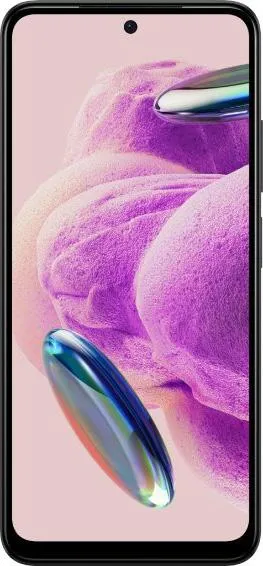
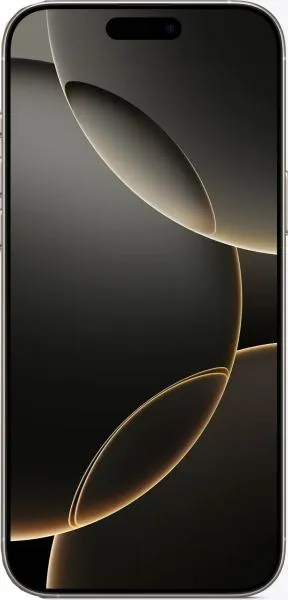
| Dimensions (mm) | 159.9 x 73.9 x 8.1 | 163 x 77.6 x 8.3 | iPhone 16 Pro Max is slightly larger and heavier. |
| Weight (g) | 176 | 227 | Redmi Note 12S is noticeably lighter, reducing hand fatigue. |
| Build | Not specified | Not specified | Build quality and materials impact durability and premium feel, but cannot be compared here. |
| Display | |||
| Display Type | AMOLED, 90Hz | LTPO Super Retina XDR OLED, 120Hz | iPhone's LTPO allows for dynamic refresh rate, saving battery. Higher refresh rate provides smoother animations. |
| Size (inches) | 6.43 | 6.9 | iPhone has a significantly larger screen, better for media consumption. |
| Resolution | 1080 x 2400 | 1320 x 2868 | iPhone has a sharper display due to higher resolution and pixel density. |
| Peak Brightness (nits) | 1000 | 2000 | iPhone's display is much brighter outdoors and in direct sunlight. |
| HDR | No Dolby Vision | Dolby Vision | iPhone supports Dolby Vision for enhanced video quality with wider color gamut and dynamic range. |
| Performance | |||
| Chipset | Mediatek Helio G96 (12nm) | Apple A18 Pro (3nm) | A18 Pro is significantly more powerful, resulting in faster performance, smoother multitasking, and better gaming. |
| CPU | Octa-core (2x2.05 GHz Cortex-A76 & 6x2.0 GHz Cortex-A55) | Hexa-core (2x4.05 GHz + 4x2.42 GHz) | A18 Pro offers superior CPU performance due to its architecture and higher clock speeds. |
| GPU | Mali-G57 MC2 | Apple GPU (6-core) | Apple's custom GPU provides significantly better graphics performance for demanding games and apps. |
| RAM | 6GB/8GB | 8GB | Both offer ample RAM for multitasking, though specific usage will determine if 6GB is sufficient on the Redmi. |
| Camera | |||
| Main Camera | 108MP | 48MP | Redmi has higher megapixel count, but sensor size and processing play a larger role in image quality. iPhone likely performs better in low light. |
| Video Recording | 1080p@30fps | Up to 4K@120fps with HDR | iPhone offers significantly higher resolution and frame rate video recording capabilities. |
| DXOMARK Score | Not Available | 157 (Mobile), 151 (Selfie) | DXOMARK provides a benchmark for camera quality, indicating superior performance on the iPhone. |
| Battery | |||
| Capacity (mAh) | 5000 | 4685 | Redmi has a larger battery capacity, potentially offering longer battery life. However, real-world usage depends on optimization. |
| Charging Speed | Not specified | Not specified | Charging speed impacts convenience, but cannot be compared here. |
2. Key Differences Analysis
Xiaomi Redmi Note 12S Advantages:
- Lower Price: Significantly more affordable.
- Lighter Weight: More comfortable for extended use.
- Larger Battery Capacity: Potentially longer battery life, though real-world usage varies.
Apple iPhone 16 Pro Max Advantages:
- Superior Performance: Significantly faster and smoother user experience due to A18 Pro chip.
- Better Display: Larger, brighter, higher resolution, smoother refresh rate, and HDR support.
- Advanced Camera System: Higher quality photos and videos, especially in low light, and more advanced features.
- Premium Ecosystem: Seamless integration with other Apple devices and services.
3. User Profiles & Recommendations
Xiaomi Redmi Note 12S Ideal User:
- Budget-conscious users
- Casual users prioritizing basic functionality
- Users seeking a lightweight phone
Apple iPhone 16 Pro Max Ideal User:
- Power users demanding top-tier performance
- Content creators and photographers
- Users prioritizing a premium mobile experience
- Users heavily invested in the Apple ecosystem
4. Decision Framework
Key Questions for Buyers:
- What is your budget? The Redmi Note 12S offers excellent value for its price, while the iPhone 16 Pro Max is a premium flagship.
- What are your primary use cases? For casual use like browsing, social media, and light gaming, the Redmi may suffice. For demanding tasks, photography, and video recording, the iPhone is superior.
- How important is software and ecosystem integration? If you prioritize seamless integration with other Apple devices, the iPhone is a clear winner.
My Choice: Apple iPhone 16 Pro Max
While the Redmi Note 12S offers great value, the iPhone 16 Pro Max is the superior device overall. Its exceptional performance, stunning display, and advanced camera system provide a significantly better user experience. Although the price is much higher, the long-term value proposition of Apple's ecosystem, consistent software updates, and powerful hardware make it a worthwhile investment for my needs. I prioritize a smooth, powerful, and feature-rich experience, and the iPhone 16 Pro Max delivers on all fronts. The superior camera capabilities and larger, brighter display are particularly appealing. While battery life is a concern, the performance and feature set outweigh this potential drawback for me.
