1. Specifications Comparison
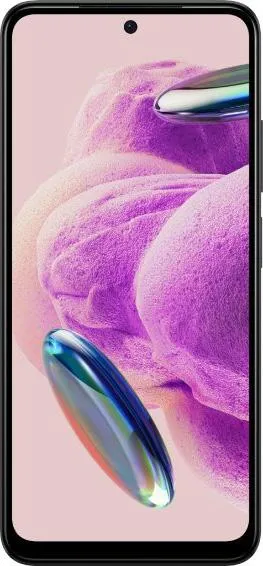
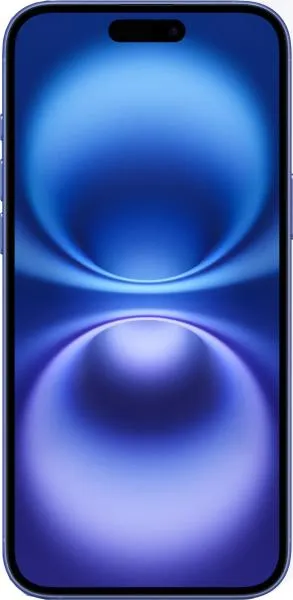
| Feature | Xiaomi Redmi Note 12S | Apple iPhone 16 Plus | Practical Impact |
|---|---|---|---|
| Design | |||
| Dimensions (mm) | 159.9 x 73.9 x 8.1 | 160.9 x 77.8 x 7.8 | iPhone 16 Plus is slightly larger and heavier. |
| Weight (g) | 176 | 199 | Redmi Note 12S is noticeably lighter for extended use. |
| Build Material | Not specified | Not specified | Build quality and durability cannot be compared without more information. |
| Display | |||
| Display Type | AMOLED, 90Hz | Super Retina XDR OLED | Both offer vibrant colors and deep blacks; iPhone likely has better color accuracy and HDR performance. The 90Hz refresh rate on the Redmi Note 12S makes scrolling and animations smoother. |
| Display Size | 6.43" | 6.7" | iPhone 16 Plus offers a larger screen for media consumption. |
| Resolution | 1080 x 2400 | 1290 x 2796 | iPhone 16 Plus has a sharper display due to higher resolution and pixel density. |
| Peak Brightness | 1000 nits (typical), 1000 nits (peak) | 1000 nits (typical), 2000 nits (HBM) | iPhone 16 Plus can get significantly brighter in HDR content and direct sunlight, improving outdoor visibility. |
| Refresh Rate | 90Hz | Not specified | Redmi Note 12S offers smoother scrolling and animations thanks to the higher refresh rate. |
| Performance | |||
| Chipset | Mediatek Helio G96 (12nm) | Apple A18 (3nm) | A18 offers significantly faster CPU and GPU performance, enabling smoother multitasking, demanding gaming, and faster app loading. |
| CPU | Octa-core (2x2.05 GHz Cortex-A76 & 6x2.0 GHz Cortex-A55) | Hexa-core (2x4.04 GHz + 4x2.20 GHz) | iPhone's A18 chip will significantly outperform the Helio G96 in speed and efficiency. |
| GPU | Mali-G57 MC2 | Apple GPU (5-core) | iPhone will offer significantly better graphics performance for gaming and visually demanding tasks. |
| RAM | 6GB/8GB | 8GB | While both offer ample RAM for most tasks, the iPhone 16 Plus benefits from better RAM management due to its operating system. |
| OS | Android 13 | iOS 18 | OS preference is subjective, but iOS is known for its simplicity and long-term software updates. |
| Camera | |||
| Main Camera | 108MP | 48MP | Redmi boasts higher megapixels, but iPhone likely produces better overall image quality due to superior sensor and processing. |
| Video Recording | 1080p@30fps | Up to 4K@60fps with HDR | iPhone offers significantly better video recording capabilities with higher resolution, frame rates, and HDR support. |
| Battery | |||
| Capacity | 5000 mAh | 4674 mAh | Redmi Note 12S has a slightly larger battery capacity, but real-world battery life depends on optimization; iPhone's A18 chip efficiency could offset the smaller battery. |
2. Key Differences Analysis
Xiaomi Redmi Note 12S Advantages:
- Lower Price: Significantly more affordable.
- Higher Refresh Rate Display: Smoother scrolling and animations.
- Larger Battery Capacity: Potentially longer battery life, though real-world usage varies.
- Expandable Storage: Option to increase storage via microSD card (not explicitly stated but common in Redmi Note series).
Apple iPhone 16 Plus Advantages:
- Significantly Faster Performance: A18 Bionic chip delivers a major performance advantage.
- Superior Camera System: Better image and video quality, especially in low light and video recording.
- Premium Display: Brighter, with better color accuracy, HDR support, and Dolby Vision.
- Longer Software Support: iOS typically receives updates for a longer period than Android.
- Ecosystem Integration: Seamless integration with other Apple devices.
3. User Profiles & Recommendations
Xiaomi Redmi Note 12S: Budget-conscious users who prioritize a smooth display, long battery life, and basic smartphone functionality. Suitable for everyday tasks, social media, casual gaming, and web browsing.
Apple iPhone 16 Plus: Users who prioritize performance, camera quality, premium display, and seamless integration with the Apple ecosystem. Ideal for demanding tasks, mobile gaming, content creation, and those seeking a long-term software update commitment.
4. Decision Framework
Key Questions for Buyers:
- What is your budget? The Redmi Note 12S offers excellent value for its price, while the iPhone 16 Plus commands a premium.
- What are your performance needs? For demanding tasks and gaming, the iPhone 16 Plus is the clear winner.
- Which operating system do you prefer? iOS and Android offer different user experiences and ecosystem features.
Scenario-Based Recommendations:
- Limited Budget, Casual User: Redmi Note 12S
- Power User, Demanding Tasks: iPhone 16 Plus
- Photographer/Videographer: iPhone 16 Plus
- Gamer: iPhone 16 Plus
My Choice: Apple iPhone 16 Plus
While the Redmi Note 12S offers excellent value, the iPhone 16 Plus's superior performance, camera system, display, and long-term software support are crucial for my needs. The significantly faster processor ensures smooth multitasking and future-proofs the device. The improved camera system is essential for capturing high-quality photos and videos. Though more expensive, the overall user experience and longevity of the iPhone 16 Plus make it the better choice for me in the long run. I prioritize a smooth and responsive user experience, and the A18 chip's performance advantage is a significant factor. The better camera system and longer software support further solidify my decision. The price difference is significant, but I am willing to invest in a device that will provide a better overall experience and last longer.
