1. Specifications Comparison
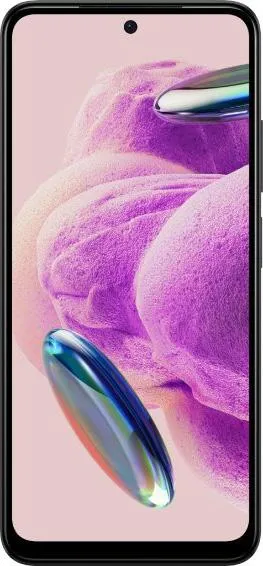
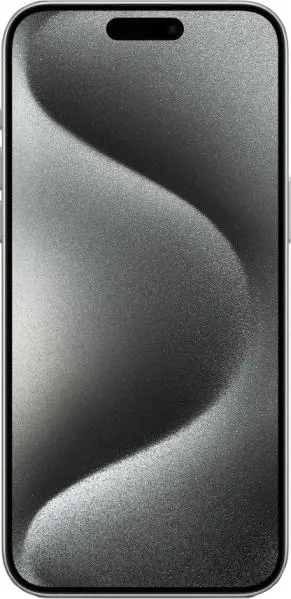
| Feature | Xiaomi Redmi Note 12S | Apple iPhone 15 Pro Max | Practical Impact |
|---|---|---|---|
| Design | |||
| Dimensions (mm) | 159.9 x 73.9 x 8.1 | 159.9 x 76.7 x 8.3 | iPhone 15 Pro Max is slightly wider and thicker. Negligible difference in daily use. |
| Weight (g) | 176 | 221 | iPhone 15 Pro Max is significantly heavier. May cause fatigue during extended use. |
| Build Material | Not specified | Titanium frame | iPhone's titanium frame offers superior durability and premium feel. |
| Display | |||
| Display Type | AMOLED, 90Hz | LTPO Super Retina XDR OLED, 120Hz | iPhone has a more advanced display with smoother scrolling and animation thanks to the higher refresh rate and LTPO technology for adaptive refresh rate, saving battery. It also likely has better color accuracy and wider dynamic range (although color depth is not specified for Redmi). |
| Display Size (inches) | 6.43 | 6.7 | iPhone offers a larger screen for more immersive media consumption. |
| Resolution | 1080 x 2400 | 1290 x 2796 | iPhone has a sharper display with higher pixel density. |
| Peak Brightness (nits) | 1000 | 2000 | iPhone offers significantly higher peak brightness for better visibility in sunlight. |
| Performance | |||
| Chipset | Mediatek Helio G96 (12nm) | Apple A17 Pro (3nm) | A17 Pro is significantly more powerful and efficient due to its advanced manufacturing process. Expect vastly superior performance in demanding tasks and games on the iPhone. |
| CPU | Octa-core (2x2.05 GHz Cortex-A76 & 6x2.0 GHz Cortex-A55) | Hexa-core (2x3.78 GHz + 4x2.11 GHz) | iPhone has a faster and more powerful CPU architecture. |
| GPU | Mali-G57 MC2 | Apple GPU (6-core) | iPhone's GPU provides a significant performance advantage for gaming and graphics-intensive applications. |
| RAM | 6GB/8GB | 8GB | Both offer ample RAM for multitasking, though higher RAM configurations are available on the Redmi. |
| Camera | |||
| Main Camera | 108MP | 48MP | While Redmi boasts higher resolution, iPhone likely produces superior image quality due to larger sensor size (1/1.3" vs 1/1.52"), wider aperture (f/1.78 vs f/1.8), and advanced image processing. |
| Video Recording | 1080p@30fps | Up to 4K@60fps with HDR, Dolby Vision | iPhone offers superior video recording capabilities with higher resolution, frame rates, and HDR/Dolby Vision support. |
| Battery | |||
| Capacity (mAh) | 5000 | 4441 | Redmi has a larger battery capacity. However, real-world battery life depends on optimization and usage patterns. iPhone's efficient chip may offset the smaller battery. |
2. Key Differences Analysis
Xiaomi Redmi Note 12S Advantages:
- Lower Price: Significantly more affordable.
- Larger Battery Capacity: Potentially longer battery life, although real-world usage may vary.
Apple iPhone 15 Pro Max Advantages:
- Superior Performance: Significantly faster and more powerful processor and GPU for smoother performance in all tasks.
- Higher Quality Display: Brighter, smoother, and sharper display with HDR and Dolby Vision support.
- Advanced Camera System: Likely better image and video quality due to larger sensor size, wider aperture, and advanced computational photography.
- Premium Build Quality: Titanium frame offers superior durability and a more premium feel.
- Longer Software Support: Apple typically provides software updates for a longer period.
3. User Profiles & Recommendations
Xiaomi Redmi Note 12S: Budget-conscious users who prioritize basic smartphone functionality, long battery life, and a large display. Suitable for everyday tasks like browsing, social media, and casual gaming.
Apple iPhone 15 Pro Max: Users who demand top-tier performance, a premium user experience, the best camera system, and the latest technology. Ideal for demanding tasks, mobile gaming, professional content creation, and users who value software updates and ecosystem integration.
4. Decision Framework
Key Questions for Buyers:
- What is your budget? The iPhone 15 Pro Max is significantly more expensive.
- What are your primary smartphone usage patterns? For basic tasks, the Redmi may suffice. For demanding tasks and content creation, the iPhone is superior.
- How important are factors like camera quality, display quality, and long-term software support? The iPhone excels in these areas.
My Choice: Apple iPhone 15 Pro Max
While the Redmi Note 12S offers excellent value for its price, the iPhone 15 Pro Max is the clear winner for me. The significantly superior performance, display quality, camera capabilities, and premium build quality justify the higher price. I value a smooth and responsive user experience, high-quality photos and videos, and the longevity that comes with Apple's software support. The performance gap between the A17 Pro and the Helio G96 is substantial, making the iPhone a future-proof investment for demanding applications and games. While the Redmi's larger battery is tempting, Apple's chip efficiency and software optimization could potentially deliver comparable real-world battery life. Ultimately, the iPhone 15 Pro Max offers a more compelling overall package for my needs and priorities.
