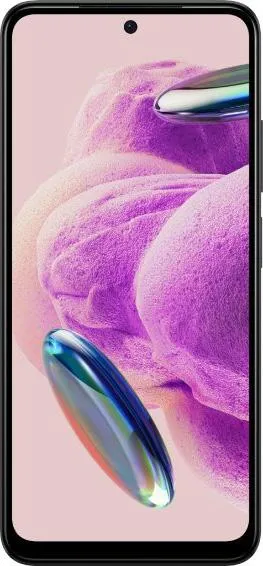
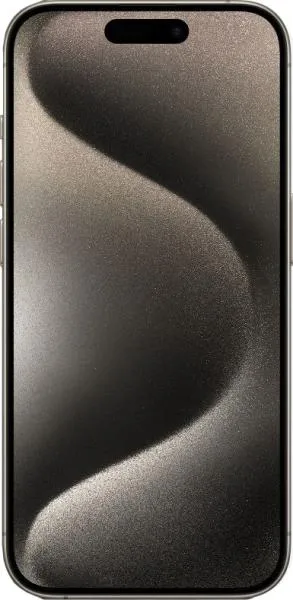
1. Specifications Comparison
| Feature | Xiaomi Redmi Note 12S | Apple iPhone 15 Pro | Practical Impact |
|---|---|---|---|
| Design | |||
| Dimensions (mm) | 159.9 x 73.9 x 8.1 | 146.6 x 70.6 x 8.3 | iPhone 15 Pro is noticeably smaller and slightly thicker. More pocketable and potentially easier to handle with one hand. |
| Weight (g) | 176 | 187 | Negligible weight difference in real-world usage. |
| Build Materials | Not specified | Titanium frame, unspecified back | iPhone's titanium frame offers superior durability and premium feel. Lack of clarity on Redmi's materials limits comparison. |
| Display | |||
| Display Type | AMOLED | LTPO Super Retina XDR OLED | Both offer excellent contrast and vibrant colors. iPhone's LTPO allows for dynamic refresh rate adjustment, saving battery. |
| Display Size (inches) | 6.43 | 6.1 | Redmi offers a larger screen for media consumption, while the iPhone is more compact. |
| Refresh Rate (Hz) | 90 | 120 | iPhone's 120Hz provides smoother scrolling and animations, enhancing perceived responsiveness. |
| Peak Brightness (nits) | 1000 (typical), 1000 (HBM) | 1000 (typical), 2000 (HBM) | iPhone achieves significantly higher peak brightness in HDR content and bright sunlight, improving outdoor visibility. |
| Performance | |||
| Chipset | Mediatek Helio G96 (12 nm) | Apple A17 Pro (3 nm) | A17 Pro offers significantly faster CPU and GPU performance, enabling smoother multitasking, demanding gaming, and faster app loading. |
| RAM (GB) | 6/8 | 8 | 8GB RAM ensures smooth multitasking on both. The difference is less impactful given the OS optimizations. |
| OS | Android 13 | iOS 17 | Different operating systems cater to different user preferences and ecosystems. |
| Camera | |||
| Main Camera (MP) | 108 | 48 | Despite higher megapixel count on Redmi, iPhone's larger sensor, advanced image processing, and computational photography likely result in superior image quality. |
| Video Recording | 1080p@30fps | Up to 4K@60fps with HDR, Dolby Vision | iPhone offers significantly better video recording capabilities with higher resolution, frame rates, HDR, and Dolby Vision support. |
| Battery | |||
| Capacity (mAh) | 5000 | 3274 | Redmi has a much larger battery capacity, potentially leading to significantly longer battery life. However, real-world usage depends on various factors. |
| Charging Speed | Not specified | Not specified | Lack of charging speed specifications limits comparison. |
2. Key Differences Analysis
Xiaomi Redmi Note 12S Advantages:
- Larger Battery: Potentially significantly longer battery life.
- Larger Display: More immersive media consumption.
- Lower Price: Significantly more affordable.
Apple iPhone 15 Pro Advantages:
- Superior Performance: Much faster and smoother overall experience.
- Premium Build and Display: More durable, brighter, and smoother display with ProMotion.
- Advanced Camera System: Significantly better image and video quality, especially in low light and challenging conditions.
- Powerful Software and Ecosystem: iOS ecosystem with longer software updates and tight hardware-software integration.
3. User Profiles & Recommendations
Xiaomi Redmi Note 12S: Budget-conscious users who prioritize battery life and a large display for media consumption. Suitable for everyday tasks, casual gaming, and social media.
Apple iPhone 15 Pro: Users who demand top-tier performance, premium design, the best possible camera system, and a seamless software experience. Ideal for demanding tasks, mobile gaming, professional photography/videography, and users heavily invested in the Apple ecosystem.
4. Decision Framework
Key Questions for Buyers:
- What is your budget? The iPhone 15 Pro is significantly more expensive.
- What are your performance requirements? For demanding tasks and gaming, the iPhone 15 Pro is far superior.
- How important is camera quality? The iPhone 15 Pro offers a significantly more advanced camera system.
Scenario-Based Recommendations:
- Limited Budget, Basic Needs: Redmi Note 12S
- Balanced Performance and Price: Consider other options in the mid-range segment.
- Best Possible Performance and Camera: iPhone 15 Pro
My Choice: Apple iPhone 15 Pro
While the Redmi Note 12S offers a compelling value proposition with its large battery and display, the iPhone 15 Pro's superior performance, premium build quality, advanced camera system, and the cohesive iOS ecosystem are decisive factors for me. The smoother 120Hz display, brighter screen for outdoor use, and the promise of long-term software updates solidify my choice. Although the price difference is significant, the overall user experience and longevity offered by the iPhone 15 Pro justify the investment in the long run. The significantly faster chip would provide a much more future-proof device that can handle demanding tasks and software updates for years to come.
