1. Specifications Comparison
| Feature | Xiaomi Redmi Note 12S | Apple iPhone 15 | Practical Impact |
|---|---|---|---|
| Design | |||
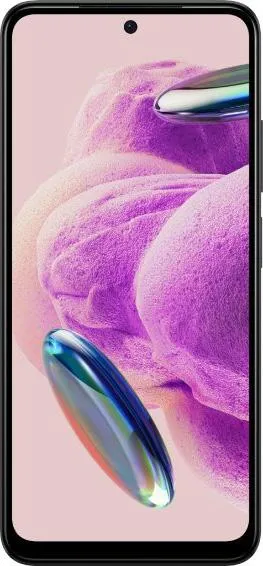
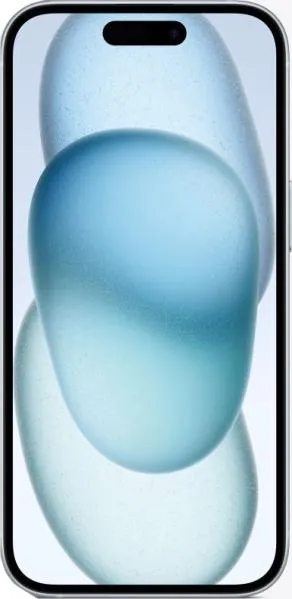
| Dimensions (mm) | 159.9 x 73.9 x 8.1 | 147.6 x 71.6 x 7.8 | iPhone 15 is noticeably smaller and slightly thinner, making it more pocketable. |
| Weight (g) | 176 | 171 | Negligible weight difference in real-world usage. |
| Build Materials | Not specified | Not specified | Cannot compare build quality and durability without material information. |
| Display | |||
| Display Type | AMOLED | Super Retina XDR OLED | Both offer excellent contrast and vibrant colors. iPhone's "Super Retina XDR" branding suggests potential enhancements in brightness and color accuracy. |
| Display Size (inches) | 6.43 | 6.1 | Redmi Note 12S provides a larger screen for media consumption, while the iPhone 15 offers better one-handed usability. |
| Resolution (px) | 1080 x 2400 | 1179 x 2556 | iPhone 15 has a sharper display due to higher pixel density (461 vs 409 ppi). |
| Refresh Rate (Hz) | 90 | Not specified | Redmi Note 12S's 90Hz refresh rate results in smoother scrolling and animations. Lack of iPhone 15 refresh rate specification hinders comparison. It's likely 60Hz, meaning less smooth experience compared to the Redmi. |
| Peak Brightness (nits) | 1000 | 2000 | iPhone 15's significantly higher peak brightness ensures better visibility in direct sunlight. |
| HDR Support | No Dolby Vision | Dolby Vision | iPhone 15 supports Dolby Vision for enhanced HDR content viewing experience with compatible videos. |
| Performance | |||
| Chipset | Mediatek Helio G96 (12 nm) | Apple A16 Bionic (4 nm) | A16 Bionic is significantly more powerful, offering superior performance in demanding tasks and gaming. The 4nm process suggests better efficiency compared to the 12nm process of the Helio G96. |
| CPU | Octa-core (2x2.05 GHz Cortex-A76 & 6x2.0 GHz Cortex-A55) | Hexa-core (2x3.46 GHz Everest + 4x2.02 GHz Sawtooth) | A16's higher clock speeds and architecture result in much faster processing. |
| GPU | Mali-G57 MC2 | Apple GPU (5-core graphics) | Apple's custom GPU is expected to deliver significantly better graphics performance. |
| RAM (GB) | 6 | 6 | RAM amount is equal, but the performance difference will likely be dominated by the chipset and respective memory management. |
| Camera | |||
| Main Camera (MP) | 108 | 48 | Redmi Note 12S boasts higher megapixel count, but image quality depends on sensor size, processing, and other factors. iPhone tends to prioritize image processing over raw megapixel count. |
| Video Recording | 1080p@30fps | Up to 4K@60fps with HDR | iPhone 15 offers significantly better video recording capabilities with higher resolution, frame rates, and HDR support. |
| Battery | |||
| Capacity (mAh) | 5000 | 3349 | Redmi Note 12S has a much larger battery capacity, potentially leading to significantly longer battery life. However, real-world battery life is also influenced by software optimization and chip efficiency. |
2. Key Differences Analysis
Xiaomi Redmi Note 12S Advantages:
- Larger Battery: Potentially much longer battery life.
- Larger Display: More immersive media consumption.
- Higher Resolution Main Camera: Potentially more detailed photos in optimal conditions.
- 90Hz Refresh Rate: Smoother scrolling and animations.
Apple iPhone 15 Advantages:
- Significantly More Powerful: Much faster performance for demanding tasks and gaming.
- Sharper Display: Higher pixel density for clearer visuals.
- Superior Video Recording: Higher resolution, frame rates, and HDR support.
- Brighter Display: Better visibility outdoors.
- Dolby Vision Support: Enhanced HDR video playback.
Trade-offs:
- Redmi Note 12S prioritizes battery life and screen size over raw performance and premium features.
- iPhone 15 sacrifices battery capacity for a smaller, more pocketable design and significantly superior performance.
3. User Profiles & Recommendations
Xiaomi Redmi Note 12S:
- Ideal User: Budget-conscious users who prioritize battery life, a large display for media consumption, and casual gaming.
- Use Cases: Social media, web browsing, video streaming, light gaming, all-day usage without frequent charging.
Apple iPhone 15:
- Ideal User: Users who demand top-tier performance, a premium mobile experience, excellent camera capabilities, and value a compact form factor. Willing to pay a premium for the Apple ecosystem and consistent software updates.
- Use Cases: Demanding gaming, professional photography/videography, multitasking, AR applications, seamless integration with other Apple devices.
4. Decision Framework
Key Questions for Buyers:
- What is your budget? The iPhone 15 is significantly more expensive.
- What is your priority? Performance, camera quality, battery life, or display size?
- What is your typical usage? Casual use, gaming, content creation, or a mix of everything?
My Choice: Apple iPhone 15
While the Redmi Note 12S offers a compelling value proposition with its large battery and display, I would choose the iPhone 15. The significantly superior performance of the A16 Bionic chip, coupled with the sharper display, better camera system (especially video recording), brighter screen, and the generally smoother and more polished iOS experience are crucial factors for me. I prioritize a fluid and responsive user experience, and the iPhone 15 is more likely to deliver that over the long term. While the battery capacity is smaller, Apple's chip efficiency and software optimization often result in competitive real-world battery life. The price premium is significant, but I believe it is justified for the overall superior user experience and longer software support provided by Apple.
