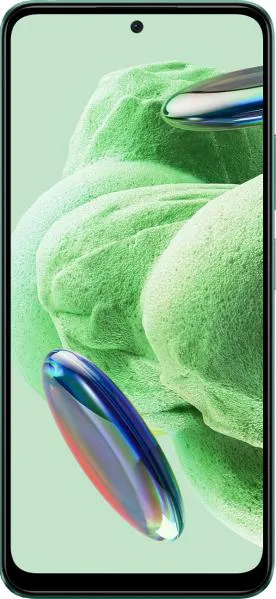
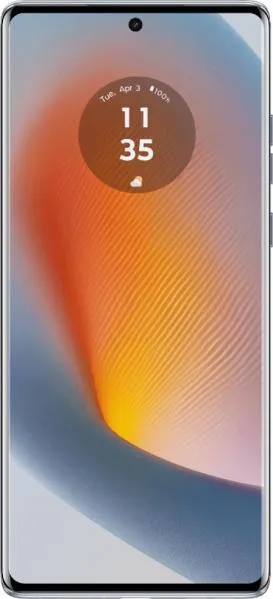
Alright, let's dive into a detailed comparison of the Xiaomi Redmi Note 12 and the Motorola Edge 50 Fusion. It's always interesting to see how different manufacturers approach similar price points, and these two offer some compelling contrasts.
1. Specifications Breakdown
Here's a breakdown of the key technical specifications of these two phones, along with an explanation of their real-world implications:
| Feature | Xiaomi Redmi Note 12 | Motorola Edge 50 Fusion | Real-World Implications |
|---|---|---|---|
| Design | |||
| Dimensions | 165.9 × 76.2 × 8 mm | 161.9 × 73.1 × 7.9 mm | Edge 50 Fusion is slightly more compact and lighter, better for one-handed use. |
| Weight | 188g | 174.9g | Edge 50 Fusion is noticeably lighter, making it more comfortable to hold for extended periods. |
| Build Quality | Gorilla Glass 3 Screen | Gorilla Glass 5 Screen | Edge 50 Fusion offers better screen protection against scratches and minor impacts. |
| Display | |||
| Size | 6.67" | 6.7" | Virtually identical sizes; both offer a large screen for media consumption. |
| Resolution | 1080x2400 | 1080x2400 | Sharp display on both phones; text and images are crisp and clear. |
| PPI | 395 | 393 | Practically the same pixel density, providing equal detail and clarity. |
| Technology | AMOLED | P-OLED | Both deliver vibrant colors and deep blacks; differences are minor in everyday use. |
| Refresh Rate | 120Hz | 120Hz | Smooth scrolling and animations on both, enhancing overall user experience. |
| Brightness | 1200 nits | 1600 nits | Edge 50 Fusion has much higher brightness, making it more visible in direct sunlight. |
| Performance | |||
| Chipset | Snapdragon 4 Gen 1 (6 nm) | Snapdragon 7s Gen 2 (4 nm) | Edge 50 Fusion has a significantly faster chip, leading to smoother app operation & better gaming. |
| AnTuTu Score | 460,800 | 776,541 | Edge 50 Fusion is much faster, offering more fluid multitasking and enhanced gaming. |
| GPU | Adreno 619 | Adreno 710 | Edge 50 Fusion’s GPU will handle graphics-intensive tasks more efficiently. |
| Camera | |||
| Main Camera | 48MP, f/1.8, 1/2.76" Sensor | 50MP, f/1.8, 1/1.56" Sensor | Edge 50 Fusion's larger sensor and slightly higher resolution captures more light and detail. |
| Selfie Camera | 13MP, f/2.45, 1.12µm pixels | 32MP, f/2.45, 0.70µm pixels | Edge 50 Fusion takes higher-resolution selfies, although pixel size is smaller. |
| Wide Angle | 8MP, f/2.2, 1/4" Sensor | 13MP, f/2.2, 1/3" Sensor (Combined with Macro) | Redmi Note 12 has a dedicated wide-angle lens, but Edge 50 Fusion combines it with Macro for a more versatile lens. |
| Macro Camera | 2MP, f/2.4 | 13MP, f/2.2, 1/3" Sensor (Combined with Wide Angle) | Redmi Note 12 has a dedicated macro lens, but Edge 50 Fusion combines it with Wide Angle. |
| Video | 1080p@30fps | 4K@30fps, 1080p@60fps with EIS | Edge 50 Fusion offers much higher video quality, including 4K resolution & image stabilization. |
| Battery Life | |||
| Capacity | 5000mAh | 5000mAh | Expected to offer similar battery life, sufficient for a full day for most users. |
| Charging | 33W fast charging | 68W fast charging | Edge 50 Fusion charges significantly faster, reducing downtime. |
| Features | Non-removable | Reverse charging, Non-removable | Motorola Edge 50 Fusion can charge other devices. |
| Software | |||
| OS | Android 12 | Android 14, upgradeable to 17 | Edge 50 Fusion offers a newer OS with a longer promise of updates. |
| Connectivity | |||
| WiFi | 802.11ac | WiFi 6E (802.11ax) | Edge 50 Fusion supports much faster and more reliable Wi-Fi connections. |
| Bluetooth | 5.1 | 5.3 | Edge 50 Fusion has a newer Bluetooth version with better power efficiency & connection stability. |
| GPS | Various | More systems | Edge 50 Fusion will likely provide more precise location data. |
| SIM | Dual SIM, Nano SIM | Dual SIM, Nano SIM + eSIM | Edge 50 Fusion offers more flexibility with eSIM support. |
| Storage | |||
| Internal | 128 GB or 256 GB | 128 GB, 256 GB, or 512GB | Edge 50 Fusion offers more storage options, including a 512GB variant. |
| RAM | 4 GB, 6 GB, or 8 GB | 8 GB or 12 GB | Edge 50 Fusion provides more RAM, ensuring smoother multitasking. |
| Expandable Storage | No | No | Neither phone supports expandable storage, which might be a limitation for some. |
| Audio | |||
| Quality | Basic | Dolby Atmos, Stereo Speakers | Edge 50 Fusion provides a much richer and immersive audio experience. |
| Security | |||
| Features | Side-mounted fingerprint | Basic fingerprint sensor | Xiaomi Redmi Note 12 has more advanced sensor; provides basic biometric security for Motorola. |
| Other Features | |||
| Sensors | Ultrasonic proximity virtual | Proximity | Redmi Note 12 offers more advanced proximity features. |
2. Key Insights
Xiaomi Redmi Note 12 Strengths:
- Price Point: It's likely to be more budget-friendly, offering a good display and basic performance for its cost.
- Dedicated Camera Lenses: Dedicated Macro and Wide Angle lenses.
- Ultrasonic proximity sensor: Provides a more advanced proximity sensor.
Motorola Edge 50 Fusion Strengths:
- Superior Performance: The Snapdragon 7s Gen 2 chipset delivers a significant boost in processing power, making it faster for everyday tasks and gaming.
- Brighter Display: The 1600 nits display is excellent for outdoor visibility, a key advantage in bright sunlight.
- Better Camera System: Larger main sensor, higher-resolution selfie camera, and 4K video recording make the Edge 50 Fusion better for photography and videography.
- Faster Charging: 68W fast charging gets you back in action much quicker.
- Better audio experience: Features Dolby Atmos and Stereo Speakers
- More Modern Features: Newer OS (Android 14), Wi-Fi 6E, and e-SIM support give it the edge in connectivity and future-proofing.
- More storage options: Available in a 512 GB version.
- Reverse charging: Allows it to charge other devices.
Trade-offs and Limitations:
- Xiaomi Redmi Note 12: Its dated chipset might struggle with heavy apps and gaming, and the camera system is not as advanced. The display, while good, doesn’t get as bright.
- Motorola Edge 50 Fusion: It may cost more than the Redmi Note 12; while it has better performance, it may not be the best for those who prefer a side-mounted fingerprint sensor.
3. User Profiles and Recommendations
Xiaomi Redmi Note 12 is ideal for:
- Budget-conscious users: Those who need a decent phone for everyday tasks like social media, browsing, and messaging.
- Casual users: People who aren't heavy gamers or frequent content creators.
- Those who like a dedicated Macro and Wide Angle lens.
Motorola Edge 50 Fusion is ideal for:
- Power users: Individuals who need a phone that can handle demanding apps, multitasking, and gaming.
- Photo and video enthusiasts: Users who want a great camera system for both stills and video.
- Those who value display visibility: Users often in bright environments who need a screen that's easily visible in daylight.
- Tech enthusiasts: People who want the latest tech features like Wi-Fi 6E, newer OS, faster charging and e-SIM support.
4. Buying Decision Framework
Here are three questions to help you decide:
- What's your budget? If you're strictly budget-constrained, the Redmi Note 12 might be your only option.
- How important is performance? If you need smooth performance for demanding tasks, the Edge 50 Fusion is the clear winner.
- What do you value more - camera or screen visibility? If you want better photo and video quality and screen visibility, choose the Edge 50 Fusion.
Scenario-Based Recommendations:
- Student on a tight budget: Xiaomi Redmi Note 12 is sufficient for schoolwork and social media.
- Frequent traveler: Motorola Edge 50 Fusion's e-SIM support and better GPS/location services are a boon.
- Social media content creator: Edge 50 Fusion's superior camera, video, and display make it the preferred option.
- Gamer on a budget: Motorola Edge 50 Fusion will provide a more fluid and responsive experience.
My choice If I were choosing between these two, I'd absolutely go with the Motorola Edge 50 Fusion. The leap in performance with the Snapdragon 7s Gen 2, the noticeably brighter screen, the far better camera, the faster charging speed, along with the newer software and other updated features make it the clear winner. While I appreciate the Xiaomi's dedicated macro and wide angle lenses and more advanced proximity sensor, I value the improvements in daily performance and overall experience more.
