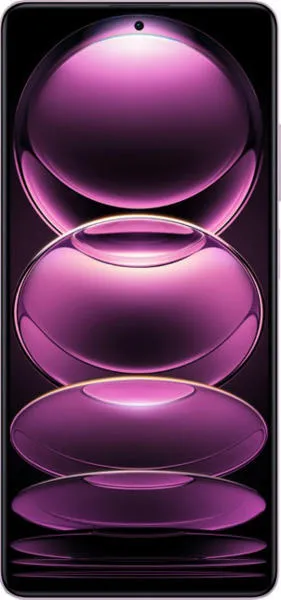
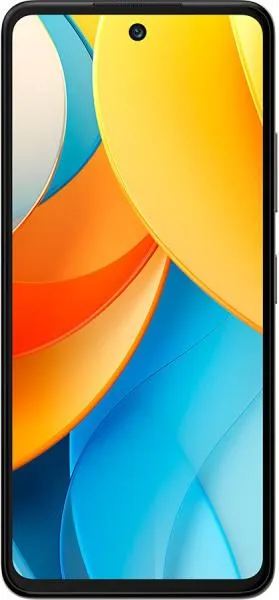
Xiaomi Redmi Note 12 Pro vs. ZTE Blade V60 Design: A Comparative Analysis
Let's dive deep into a comparative analysis of the Xiaomi Redmi Note 12 Pro and the ZTE Blade V60 Design, focusing on how their specifications translate into real-world user experiences.
1. Specifications Breakdown
| Feature | Xiaomi Redmi Note 12 Pro | ZTE Blade V60 Design | Real-World Implications |
|---|---|---|---|
| Design | |||
| Dimensions (mm) | 163 x 76 x 8 | 164.2 x 75.3 x 8.6 | Redmi is slightly more compact. V60 Design is slightly thicker. |
| Weight (g) | 187 | 198 | Redmi feels lighter in hand. |
| Build Materials | Glass front, plastic frame | Plastic | Redmi offers a more premium feel. |
| Display | |||
| Display Type | AMOLED | IPS LCD | Redmi delivers richer colors, deeper blacks, and better contrast. |
| Display Size | 6.67" | 6.6" | Negligible difference in screen real estate. |
| Resolution | 1080 x 2400 | 720 x 1612 | Redmi offers significantly sharper visuals. |
| Refresh Rate | 120Hz | 90Hz | Redmi provides smoother scrolling and animations. |
| Performance | |||
| Chipset | Dimensity 1080 (6nm) | Unisoc T606 (12nm) | Redmi boasts significantly better CPU and GPU performance. |
| CPU | Octa-core (2x2.6 GHz A78 & 6x2.0 GHz A55) | Octa-core (2x1.6 GHz A75 & 6x1.6 GHz A55) | Redmi handles demanding tasks and multitasking more efficiently. |
| RAM | 6/8/12GB | 4/6GB | Redmi offers more RAM options for smoother multitasking. |
| Camera | |||
| Main Camera | 50MP (Sony IMX766) | 50MP | Redmi likely produces better image quality due to the superior sensor. |
| Video Recording | 4K@30fps | 1080p@30fps | Redmi offers higher resolution video recording. |
| Battery Life | |||
| Battery Capacity | 5000 mAh | 5000 mAh | Similar battery capacity, but Redmi's more efficient chip may result in longer battery life. |
2. Key Insights
The Redmi Note 12 Pro demonstrably outperforms the Blade V60 Design in almost every category. Its AMOLED display with a 120Hz refresh rate offers a vastly superior visual experience. The powerful Dimensity 1080 chipset ensures smooth performance even with demanding tasks. The 50MP Sony IMX766 sensor promises detailed and vibrant photos.
The Blade V60 Design's strengths lie primarily in its affordability and large battery. However, its lower resolution display, less powerful processor, and basic camera system make it a considerably less compelling device overall.
3. User Profiles and Recommendations
Redmi Note 12 Pro: Ideal for users who prioritize performance, a vibrant display, and a capable camera. Gamers, content creators, and those who multitask heavily will appreciate its capabilities.
Blade V60 Design: Suited for budget-conscious users who primarily use their phones for basic tasks like calling, texting, and web browsing. Its large battery is appealing for users who need long-lasting power.
4. Buying Decision Framework
- What is your budget? The Blade V60 Design is significantly cheaper.
- What are your primary phone usage patterns? For demanding tasks, choose the Redmi. For basic use, the Blade V60 might suffice.
- How important is display quality and performance? The Redmi offers a vastly superior experience in these areas.
Scenario-Based Recommendations:
- Student on a Budget: Blade V60 Design
- Mobile Gamer: Redmi Note 12 Pro
- Photography Enthusiast: Redmi Note 12 Pro
My Choice: Xiaomi Redmi Note 12 Pro
If I were choosing between these two phones, I would opt for the Xiaomi Redmi Note 12 Pro without hesitation. While it's more expensive, the superior display, significantly better performance, more capable camera system, and potentially longer battery life due to chip efficiency make it a far more compelling device. The difference in user experience would be substantial enough to justify the price difference for me. I value a smooth, responsive phone with a great screen for consuming media and capturing moments, and the Redmi Note 12 Pro delivers on all fronts. The Blade V60 Design, while budget-friendly, makes too many compromises in crucial areas that impact daily usage.
