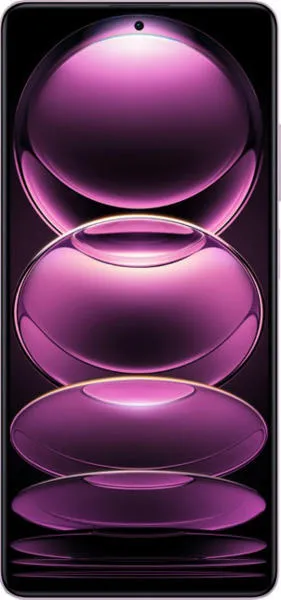
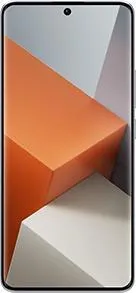
Xiaomi Redmi Note 12 Pro vs. Xiaomi Redmi Note 13 Pro+: A Deep Dive
Let's dissect the Redmi Note 12 Pro and the newer Note 13 Pro+, two compelling mid-range contenders from Xiaomi. We'll go beyond the spec sheet to uncover what these numbers truly mean for your daily smartphone experience.
1. Specifications Breakdown
| Feature | Xiaomi Redmi Note 12 Pro | Xiaomi Redmi Note 13 Pro+ | Real-World Implications |
|---|---|---|---|
| Design | |||
| Dimensions (mm) | 163 x 76 x 8 | 161.4 x 74.2 x 8.9 | Note 13 Pro+ is slightly shorter, narrower, and thicker. Negligible difference in hand feel. |
| Weight (g) | 187 | 199 | Note 13 Pro+ is slightly heavier but still comfortable for most users. |
| Fingerprint | Side-mounted | Under-display | Preference-based, under-display often perceived as more modern. |
| Display | |||
| Size (inches) | 6.67 | 6.67 | Identical screen sizes. |
| Resolution | 1080 x 2400 | 1220 x 2712 | Note 13 Pro+ boasts sharper visuals due to higher pixel density. |
| Type | AMOLED | AMOLED (C7 Material) | Both offer vibrant colors and deep blacks. C7 may offer slight efficiency improvements. |
| Refresh Rate | 120Hz | 120Hz | Both deliver smooth scrolling and animations. |
| Peak Brightness | 900 nits | 1800 nits | Note 13 Pro+ significantly brighter, crucial for outdoor visibility. |
| Color Depth | 1B colors | 68B colors | Note 13 Pro+ offers a wider color gamut, potentially resulting in more nuanced color reproduction. |
| Performance | |||
| Chipset | Dimensity 1080 (6nm) | Dimensity 7200 Ultra (4nm) | Note 13 Pro+ has a newer, more power-efficient chip, promising better performance and battery life. |
| CPU | Octa-core (2.6 GHz A78) | Octa-core (2.8 GHz A715) | Note 13 Pro+ offers a performance boost with faster clock speeds and updated architecture. |
| GPU | Mali-G68 MC4 | Mali-G610 MC4 | Note 13 Pro+'s GPU should deliver improved graphics performance, though architectural differences exist. |
| RAM | 6/8/12GB | 8/12/16GB | Both offer ample RAM for multitasking; Note 13 Pro+ offers a higher top-end configuration. |
| Camera | |||
| Main Sensor | 50MP (Sony IMX766) | 200MP (Samsung HP3) | Note 13 Pro+ has a significantly higher resolution sensor, potentially capturing more detail. |
| Battery Life | |||
| Capacity | 5000 mAh | 5000 mAh | Identical battery capacities. Real-world battery life will depend on chip efficiency and usage. |
2. Key Insights
The Redmi Note 13 Pro+ presents a clear upgrade in several key areas. The Dimensity 7200 Ultra chipset promises a substantial performance leap over the Dimensity 1080, translating to faster app loading, smoother gaming, and improved power efficiency. The 200MP main camera sensor, while not solely defined by megapixels, offers the potential for highly detailed images. The brighter display is a game-changer for outdoor use.
The Redmi Note 12 Pro, however, holds its own with a still-capable processor and a proven camera sensor. It's likely to be offered at a lower price point, making it a value-driven option.
3. User Profiles and Recommendations
- Redmi Note 13 Pro+: Ideal for users who prioritize performance, a vibrant display, and the latest camera technology. Gamers, content creators, and heavy multitaskers will appreciate the upgraded hardware.
- Redmi Note 12 Pro: Suitable for users seeking a reliable, well-rounded smartphone at a more affordable price. Casual users, social media enthusiasts, and those on a tighter budget will find this a compelling choice.
4. Buying Decision Framework
- What's your budget? The Note 12 Pro will likely be more affordable.
- Is top-tier performance a priority? If so, the Note 13 Pro+ is the clear winner.
- How important is outdoor visibility? The Note 13 Pro+'s brighter display is a significant advantage.
My Choice: Redmi Note 13 Pro+
While the Redmi Note 12 Pro is a solid device, the Redmi Note 13 Pro+ represents a meaningful upgrade that justifies the likely price difference. The performance gains from the Dimensity 7200 Ultra, coupled with the significantly brighter display and potential of the 200MP camera, make it the more compelling device for my needs. As a tech enthusiast, I value future-proofing and cutting-edge technology, and the Note 13 Pro+ aligns better with those priorities. The jump to a 4nm chipset should also translate to tangible battery life improvements in real-world usage, a crucial factor for me.
