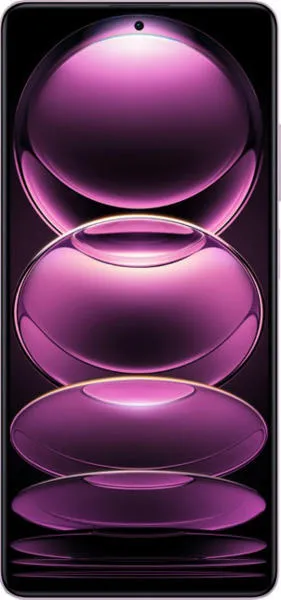
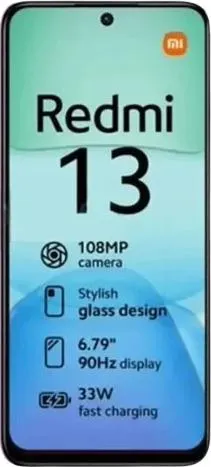
Xiaomi Redmi Note 12 Pro vs. Xiaomi Redmi 13: A Deep Dive
Let's dissect the Redmi Note 12 Pro and the newer Redmi 13, going beyond the spec sheet to understand what these phones offer in the real world.
1. Specifications Breakdown
| Feature | Xiaomi Redmi Note 12 Pro | Xiaomi Redmi 13 | Real-World Implications |
|---|---|---|---|
| Design | |||
| Dimensions (mm) | 163 x 76 x 8 | 168.6 x 76.3 x 8.3 | Redmi 13 slightly larger, may feel less compact |
| Weight (g) | 187 | 205 | Redmi 13 noticeably heavier in hand |
| Display | |||
| Type | AMOLED | IPS LCD | Pro: Richer blacks, vibrant colors; 13: More battery efficient in some cases |
| Size (inches) | 6.67 | 6.79 | Negligible difference in screen real estate |
| Refresh Rate (Hz) | 120 | 90 | Pro: Smoother scrolling and animations |
| HDR | Dolby Vision, HDR10+ | None | Pro: Superior dynamic range in supported content |
| Performance | |||
| Chipset | Dimensity 1080 (6nm) | Helio G91 Ultra (12nm) | Pro: More powerful CPU and GPU, better efficiency due to smaller process node |
| CPU | Octa-core (2x2.6 GHz A78 & 6x2.0 GHz A55) | Octa-core (2x2.0 GHz A75 & 6x1.8 GHz A55) | Pro: Significantly faster performance in demanding tasks and multitasking |
| GPU | Mali-G68 MC4 | Mali-G52 MC2 | Pro: Smoother gaming and graphics-intensive apps |
| RAM (GB) | 6/8/12 | 6/8 | Options for more RAM in the Pro for heavier multitasking |
| Camera | |||
| Main Camera (MP) | 50 (Sony IMX766) | 108 | 13: Higher resolution, Pro: Potentially better low-light performance due to larger sensor |
| Ultrawide (MP) | 8 | None | Pro: Wider field of view for landscapes |
| Video | 4K@30fps, 1080p@120fps | 1080p@30fps | Pro: Higher resolution and slow-motion video recording |
| Battery Life | |||
| Capacity (mAh) | 5000 | 5030 | Negligible difference in battery capacity |
| Other | |||
| Price Range | Medium | Low | Redmi 13 significantly more affordable |
| NFC | Yes | Yes | Contactless payments on both |
2. Key Insights
The Redmi Note 12 Pro boasts a superior AMOLED display with a faster refresh rate, resulting in a visibly smoother and more vibrant user experience. Its Dimensity 1080 processor significantly outperforms the Redmi 13's Helio G91 Ultra, providing a noticeable advantage in demanding tasks and gaming. While the Redmi 13 features a higher resolution main camera, the Pro's Sony IMX766 sensor may deliver better overall image quality, especially in challenging lighting conditions. The inclusion of an ultrawide lens on the Pro adds versatility for landscape photography.
3. User Profiles and Recommendations
Redmi Note 12 Pro: Ideal for users who prioritize performance, a premium display, and versatile camera capabilities. Gamers, content creators, and those seeking a fluid user experience will appreciate the Pro's advantages.
Redmi 13: Best suited for budget-conscious users who primarily use their phones for everyday tasks like browsing, social media, and casual photography. The large display and long battery life are attractive features for media consumption.
4. Buying Decision Framework
- What is your budget? The Redmi 13 offers excellent value for its price, while the Pro commands a higher price for its enhanced features.
- What are your primary phone usage patterns? Heavy gamers and multitaskers will benefit from the Pro's performance, while casual users might find the Redmi 13 sufficient.
- How important is display quality to you? The Pro's AMOLED screen offers a significant visual upgrade over the Redmi 13's LCD.
My Choice: Redmi Note 12 Pro
While the Redmi 13 offers incredible value, I'd choose the Redmi Note 12 Pro. The superior AMOLED display, significantly faster performance thanks to the Dimensity 1080, and more versatile camera system with the ultrawide lens are compelling advantages. The smoother 120Hz refresh rate enhances daily interactions, making the phone feel more responsive. While the price difference exists, the Pro's performance and display elevate the user experience to a level that justifies the premium for me. I prioritize a fluid, responsive experience and a vibrant display, making the Pro the better fit for my needs. The improved image processing and low-light capabilities of the Sony IMX766 sensor are also crucial factors in my decision.
