
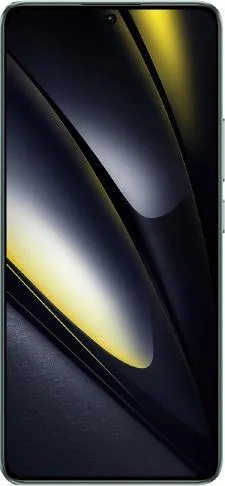
Xiaomi Redmi Note 12 Pro vs. Xiaomi Poco F6: A Deep Dive
Let's dissect the Xiaomi Redmi Note 12 Pro and the Poco F6, two compelling mid-range contenders, to see which phone reigns supreme. I'll break down the specs, analyze their real-world impact, and guide you to the perfect device for your needs.
1. Specifications Breakdown
| Feature | Xiaomi Redmi Note 12 Pro | Xiaomi Poco F6 | Real-World Implications |
|---|---|---|---|
| Design | |||
| Dimensions (mm) | 163 x 76 x 8 | 160.5 x 74.5 x 8 | Poco F6 is slightly shorter and narrower, potentially improving one-handed use. |
| Weight (g) | 187 | 179 | Poco F6 is noticeably lighter, enhancing portability and reducing hand fatigue. |
| Display | |||
| Size (inches) | 6.67 | 6.67 | Identical screen sizes offer similar media consumption experiences. |
| Resolution (px) | 1080 x 2400 | 1220 x 2712 | Poco F6 boasts a sharper display with higher pixel density, resulting in crisper text and images. |
| Type | AMOLED | AMOLED | Both phones offer vibrant colors, deep blacks, and excellent contrast thanks to AMOLED technology. |
| Refresh Rate (Hz) | 120 | 120 | Both offer smooth scrolling and fluid animations thanks to the 120Hz refresh rate. |
| Peak Brightness | 900 nits | 2400 nits | Poco F6's significantly higher peak brightness ensures exceptional outdoor visibility. |
| Performance | |||
| Chipset | Dimensity 1080 (6nm) | Snapdragon 8s Gen 3 (4nm) | Poco F6's newer and more powerful processor delivers significantly improved performance in demanding tasks and gaming. |
| CPU | Octa-core (2x2.6 GHz A78 & 6x2.0 GHz A55) | Octa-core (1x3.0 GHz X4 & 4x2.8 GHz A720 & 3x2.0 GHz A520) | Poco F6's superior CPU architecture provides a substantial performance advantage, resulting in faster app loading and multitasking. |
| GPU | Mali-G68 MC4 | Adreno 735 | Poco F6's more capable GPU handles graphics-intensive tasks and games with greater ease. |
| RAM | 6/8/12GB | 8/12GB | Both offer ample RAM for multitasking, but the Poco F6's configurations start higher, potentially benefiting power users. |
| Camera | |||
| Main Camera (MP) | 50 MP (Sony IMX766) | 50 MP (Sony IMX882) | Both utilize high-quality Sony sensors, but the IMX882 in the Poco F6 generally offers better low-light performance and dynamic range. |
| Battery Life | |||
| Capacity (mAh) | 5000 | 5000 | Identical battery capacities suggest similar battery life, although real-world usage will depend on individual usage patterns. |
2. Key Insights
The Poco F6 is the clear performance champion, thanks to its cutting-edge Snapdragon 8s Gen 3 processor and superior GPU. This translates to a smoother, faster experience, especially for gaming and demanding applications. The brighter display also enhances outdoor usability.
The Redmi Note 12 Pro, while less powerful, still offers a solid 120Hz AMOLED display and a capable camera system. Its main advantage lies in its potentially lower price point, making it a more budget-friendly option.
3. User Profiles and Recommendations
Poco F6: Ideal for power users, gamers, and those who prioritize top-tier performance and a vibrant display.
Redmi Note 12 Pro: Suitable for users seeking a balance of performance, features, and affordability. It's a good choice for everyday tasks, media consumption, and casual gaming.
4. Buying Decision Framework
- What is your budget? The Redmi Note 12 Pro is likely to be more affordable.
- How important is raw performance? If gaming or heavy multitasking is a priority, the Poco F6 is the winner.
- Do you need the brightest display possible? The Poco F6 excels in outdoor visibility.
My Choice: The Poco F6
While the Redmi Note 12 Pro is a solid device, I'd choose the Poco F6. The significant performance leap offered by the Snapdragon 8s Gen 3, coupled with the incredibly bright display and improved camera sensor, justifies the price difference for me. As someone who values a smooth and responsive user experience, the Poco F6's powerful hardware and future-proof features are compelling. While battery life comparisons weren't explicitly available in the data, the newer, more efficient 4nm process of the Poco F6's chipset hints at potentially better power management in real-world usage, adding another point in its favor.
