
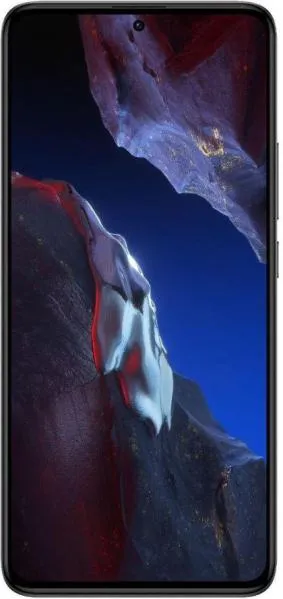
Xiaomi Redmi Note 12 Pro vs. Xiaomi Poco F5 Pro: A Deep Dive
Let's dissect the Xiaomi Redmi Note 12 Pro and the Poco F5 Pro, two compelling mid-range contenders, to see which phone reigns supreme. I'll break down the specs, share my insights, and help you decide which device best fits your needs.
1. Specifications Breakdown
| Feature | Xiaomi Redmi Note 12 Pro | Xiaomi Poco F5 Pro | Real-World Implications |
|---|---|---|---|
| Design | |||
| Dimensions (mm) | 163 x 76 x 8 | 162.8 x 75.4 x 8.6 | Poco F5 Pro is slightly more compact and marginally thicker. |
| Weight (g) | 187 | 204 | Noticeable difference in hand; Redmi feels lighter. |
| Display | |||
| Size (inches) | 6.67 | 6.67 | Identical screen real estate. |
| Resolution (px) | 1080 x 2400 | 1440 x 3200 | Poco F5 Pro boasts significantly sharper visuals. |
| Panel Type | AMOLED | AMOLED | Both offer vibrant colors and deep blacks. |
| Refresh Rate (Hz) | 120 | 120 | Smooth scrolling and animations on both. |
| Peak Brightness(nits) | 900 | 1400 | Poco F5 Pro excels in outdoor visibility. |
| Performance | |||
| Chipset | Dimensity 1080 (6nm) | Snapdragon 8+ Gen 1 (4nm) | Poco F5 Pro offers flagship-level performance. |
| CPU | Octa-core (2x2.6 GHz A78 & 6x2.0 GHz A55) | Octa-core (1x3.0 GHz X2 & 3x2.5 GHz A710 & 4x1.8 GHz A510) | Substantial performance gap; Poco F5 Pro handles demanding tasks with ease. |
| GPU | Mali-G68 MC4 | Adreno 730 | Major difference in graphics processing; Poco F5 Pro is ideal for gaming. |
| RAM (GB) | 6/8/12 | 8/12 | Both offer ample RAM for multitasking, but Poco starts higher |
| Camera | |||
| Main Sensor (MP) | 50 (Sony IMX766) | 64 (Omnivision OV64B) | Both sensors are capable, but the Poco F5 Pro might offer slightly better detail. Further analysis of image processing is needed. |
| Video | 4K@30fps | 8K@24fps | Poco F5 Pro offers higher resolution video recording. |
| Battery Life | |||
| Capacity (mAh) | 5000 | 5160 | Negligible difference in battery capacity. |
2. Key Insights
Performance Powerhouse: The Poco F5 Pro, with its Snapdragon 8+ Gen 1, obliterates the Redmi Note 12 Pro in raw performance. This translates to faster app loading, smoother gaming, and effortless multitasking. The Redmi Note 12 Pro, while adequate for daily use, will show its limitations when pushed.
Display Delight: While both phones have 120Hz AMOLED displays, the Poco F5 Pro's higher resolution (1440p) and peak brightness make for a noticeably superior visual experience. Sharper text, more detailed images, and excellent sunlight readability give it a clear edge.
Camera Considerations: On paper, the Poco F5 Pro boasts higher resolution sensors. However, real-world image quality depends heavily on image processing. While the 64MP sensor and 8K video recording are attractive, we need further analysis to declare a definitive winner. The Redmi Note 12 Pro uses the reputable Sony IMX766, known for good performance.
Price-to-Performance: The Poco F5 Pro commands a higher price. The crucial question is whether the substantial performance leap justifies the premium.
3. User Profiles and Recommendations
Redmi Note 12 Pro: Ideal for budget-conscious users who prioritize a good display, decent camera, and all-day battery life. Suitable for everyday tasks like social media, web browsing, and light gaming.
Poco F5 Pro: Geared towards power users and mobile gamers who demand top-tier performance. Excellent for demanding applications, content creation, and heavy multitasking.
4. Buying Decision Framework
- What is your budget? The Redmi Note 12 Pro offers excellent value for its price, while the Poco F5 Pro represents a more significant investment.
- What are your primary use cases? For everyday tasks, the Redmi Note 12 Pro is sufficient. For demanding applications and gaming, the Poco F5 Pro is a must.
- How important is future-proofing? The Poco F5 Pro's superior processor ensures smoother performance for longer. The Redmi might start to show its age sooner.
My Choice: As a tech journalist who often pushes devices to their limits, I would choose the Poco F5 Pro. The significant performance advantage offered by the Snapdragon 8+ Gen 1 is crucial for my workflow. The sharper display and potential for superior camera performance are added bonuses. While the price is higher, the long-term benefits of a more powerful and future-proof device outweigh the initial cost. However, if budget was a primary concern, the Redmi Note 12 Pro represents excellent value.
