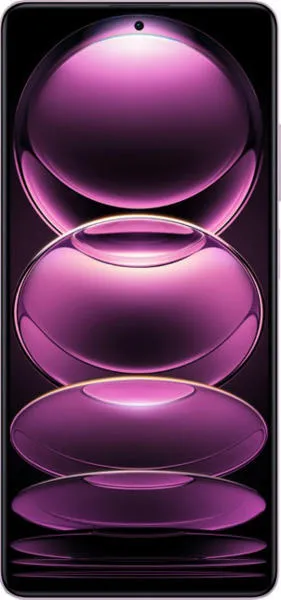
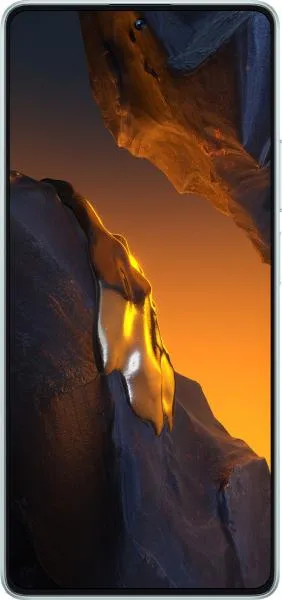
Xiaomi Redmi Note 12 Pro vs. Xiaomi Poco F5: A Deep Dive
Let's dissect the Xiaomi Redmi Note 12 Pro and the Poco F5, two compelling mid-range contenders, to see which phone reigns supreme. I'll break down the specs, analyze their real-world impact, and guide you toward the device that best fits your needs.
1. Specifications Breakdown
| Feature | Xiaomi Redmi Note 12 Pro | Xiaomi Poco F5 | Real-World Implications |
|---|---|---|---|
| Design | |||
| Dimensions (mm) | 163 x 76 x 8 | 161.1 x 75 x 7.9 | Poco F5 is slightly more compact. Negligible difference in daily use. |
| Weight (g) | 187 | 181 | Poco F5 is marginally lighter, but both are comfortable to hold. |
| Display | |||
| Type | AMOLED | AMOLED | Both offer vibrant colors, deep blacks, and excellent contrast. |
| Size (inches) | 6.67 | 6.67 | Identical screen sizes provide ample viewing space. |
| Resolution | 1080 x 2400 | 1080 x 2400 | Sharp and detailed visuals on both devices. |
| Refresh Rate (Hz) | 120 | 120 | Smooth scrolling and animations, enhancing gaming and overall responsiveness. |
| Performance | |||
| Chipset | Dimensity 1080 (6nm) | Snapdragon 7+ Gen 2 (4nm) | Poco F5 boasts significantly better CPU and GPU performance due to a more powerful and efficient chip. |
| CPU | Octa-core (2x2.6 GHz A78 & 6x2.0 GHz A55) | Octa-core (1x2.91 GHz X2 & 3x2.49 GHz A710 & 4x1.8 GHz A510) | Poco F5's superior core configuration delivers faster processing speeds and multitasking. |
| GPU | Mali-G68 MC4 | Adreno 725 | Poco F5 provides a substantial leap in graphics performance for demanding games and applications. |
| RAM | 6/8/12GB | 8/12GB | Both offer ample RAM for smooth multitasking, but the Poco F5 starts at 8GB. |
| Camera | |||
| Main Camera (MP) | 50 (Sony IMX766) | 64 (Omnivision OV64B) | Both sensors are capable, but the Poco F5's higher resolution might offer slightly more detail. Real-world image quality depends heavily on software processing. |
| Battery Life | |||
| Capacity (mAh) | 5000 | 5000 | Similar battery capacities suggest comparable battery life. Actual usage will vary. |
2. Key Insights
- Performance is the Differentiator: The Poco F5's Snapdragon 7+ Gen 2 chipset significantly outperforms the Redmi Note 12 Pro's Dimensity 1080. This translates to noticeably faster app loading, smoother gaming, and better overall responsiveness.
- Display Excellence on Both: Both phones feature stunning AMOLED displays with 120Hz refresh rates, delivering a fluid and visually immersive experience. However, the Poco F5 boasts a 68B color depth compared to the Redmi Note 12 Pro's 1B, potentially resulting in more nuanced color reproduction for professionals working with visuals. This difference, though, may not be readily noticeable to the average user.
- Camera Comparison Needs Real-World Testing: While the Poco F5 boasts a higher resolution main sensor, megapixels don't tell the whole story. Image processing plays a crucial role. Real-world camera comparisons are needed to assess overall image quality, low-light performance, and video capabilities.
3. User Profiles and Recommendations
- Redmi Note 12 Pro: Ideal for users who prioritize a well-rounded experience with a great display and solid battery life, without needing top-tier performance. Excellent for everyday tasks, social media, casual gaming, and content consumption.
- Poco F5: The performance powerhouse. Perfect for gamers, power users, and anyone who demands snappy responsiveness and the ability to handle demanding applications.
4. Buying Decision Framework
- What's your budget? The Poco F5 generally commands a slightly higher price.
- How important is raw performance? If gaming or demanding tasks are a priority, the Poco F5 is the clear winner.
- Are you a casual user or a power user? The Redmi Note 12 Pro is sufficient for everyday needs, while the Poco F5 caters to more intensive usage.
My Choice: I would choose the Poco F5. While the Redmi Note 12 Pro is a solid device, I value the significant performance advantage offered by the Snapdragon 7+ Gen 2 in the Poco F5. The future-proofing aspect of a more powerful processor, coupled with the potential for better long-term performance, makes it the more compelling choice for me. As a tech enthusiast, I appreciate having headroom for demanding tasks and future software updates.
