Xiaomi Redmi Note 12 Pro vs. Xiaomi Poco C65: A Comparative Analysis
Let's dissect the Xiaomi Redmi Note 12 Pro and the Xiaomi Poco C65, two phones vying for your attention in different price segments. I'll break down their specs, analyze their real-world performance, and guide you toward the best choice for your needs.
1. Specifications Breakdown
| Feature | Xiaomi Redmi Note 12 Pro | Xiaomi Poco C65 | Real-World Implications |
|---|---|---|---|
| Design | |||
| Dimensions (mm) | 163 x 76 x 8 | 168 x 78 x 8.1 | Note 12 Pro is slightly more compact and pocketable. |
| Weight (g) | 187 | 192 | Negligible difference in hand feel. |
| Display | |||
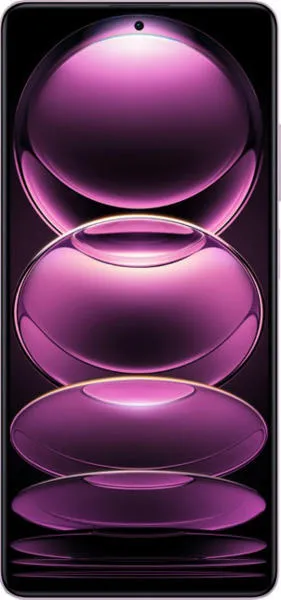
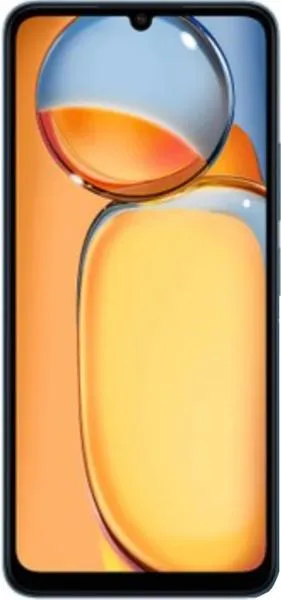
| Type | AMOLED | IPS LCD | Note 12 Pro offers deeper blacks, more vibrant colors, and better outdoor visibility. |
| Size | 6.67" | 6.74" | Poco C65 has a slightly larger screen, but resolution is significantly lower. |
| Resolution | 1080 x 2400 | 720 x 1600 | Note 12 Pro provides significantly sharper visuals and text. |
| Refresh Rate | 120Hz | 90Hz | Note 12 Pro offers smoother scrolling and animations. |
| Performance | |||
| Chipset | Dimensity 1080 (6nm) | Helio G85 (12nm) | Note 12 Pro boasts significantly faster processing speeds and better multitasking. |
| CPU | Octa-core (2x2.6 GHz A78 & 6x2.0 GHz A55) | Octa-core (2x2.0 GHz A75 & 6x1.8 GHz A55) | Note 12 Pro handles demanding tasks and games with greater ease. |
| GPU | Mali-G68 MC4 | Mali-G52 MC2 | Note 12 Pro delivers superior graphics performance for gaming and multimedia. |
| RAM | 6GB/8GB/12GB | 4GB/6GB/8GB | More RAM options on the Note 12 Pro allow for smoother multitasking. |
| Camera | |||
| Main Camera | 50MP (Sony IMX766) | 50MP | Note 12 Pro likely uses a higher-quality sensor despite the same resolution leading to better low-light performance and dynamic range. |
| Video | 4K@30fps | 1080p@30fps | Note 12 Pro allows for higher resolution video recording. |
| Battery Life | |||
| Capacity | 5000 mAh | 5000 mAh | Similar battery capacity; real-world usage will depend on software optimization and display efficiency. |
2. Key Insights
The Redmi Note 12 Pro is a clear step up in terms of performance, display quality, and overall user experience. The Dimensity 1080 chipset, coupled with a high refresh rate AMOLED display, provides a fluid and responsive user experience. Its camera system, featuring the Sony IMX766 sensor, is poised to deliver impressive image quality.
The Poco C65, on the other hand, focuses on affordability. While it offers a large display and long battery life, it compromises on processing power, resolution, and camera features. It's designed for budget-conscious users who prioritize basic functionality over high-end specs.
3. User Profiles and Recommendations
Redmi Note 12 Pro: Ideal for users who value performance, a vibrant display, a capable camera, and a smooth user experience. This phone caters to gamers, multimedia enthusiasts, and those who demand a phone that can handle multitasking with ease.
Poco C65: Suited for users who prioritize affordability and basic functionality. This phone is a good option for those who primarily use their phone for calling, texting, social media browsing, and light web browsing.
4. Buying Decision Framework
- What is your budget? The Poco C65 is significantly cheaper, making it a viable option for budget-constrained buyers.
- What are your primary phone usage patterns? For demanding tasks and multimedia consumption, the Redmi Note 12 Pro is the clear winner. For basic communication and light usage, the Poco C65 suffices.
- How important is display quality and performance? The Note 12 Pro's AMOLED display and powerful processor deliver a superior experience in these areas.
My Choice: I would choose the Redmi Note 12 Pro. As a tech journalist, a smooth, responsive experience with a great display is essential for me. The superior performance, the vibrant AMOLED screen, and the promising camera system of the Note 12 Pro outweigh the price difference for my needs. The Poco C65, while a solid budget option, simply doesn't offer the performance and features I require in a daily driver. The jump in quality of life features, specifically the screen, would make the price difference worth it to me.
