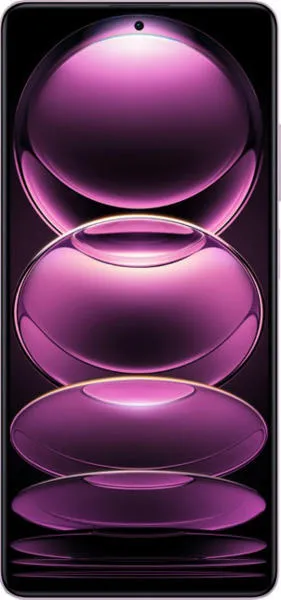
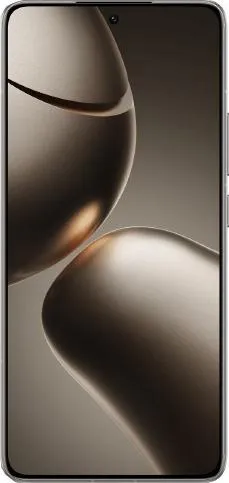
Xiaomi Redmi Note 12 Pro vs. Xiaomi 14T Pro: A Deep Dive
Let's dissect the Xiaomi Redmi Note 12 Pro and the Xiaomi 14T Pro, two compelling mid-range contenders, to see which phone reigns supreme.
1. Specifications Breakdown
| Feature | Xiaomi Redmi Note 12 Pro | Xiaomi 14T Pro | Real-World Implications |
|---|---|---|---|
| Design | |||
| Dimensions (mm) | 163 x 76 x 8 | 160.4 x 75.1 x 8.4 | 14T Pro slightly smaller and thicker. Negligible difference in hand. |
| Weight (g) | 187 | 209 | 14T Pro noticeably heavier, might impact one-handed use. |
| Fingerprint | Side-mounted | Under-display | Preference-based, under-display feels more modern. |
| Display | |||
| Size (inches) | 6.67 | 6.67 | Identical screen sizes. |
| Resolution (px) | 1080 x 2400 | 1220 x 2712 | 14T Pro sharper, more detailed visuals. |
| Refresh Rate (Hz) | 120 | 144 | 14T Pro smoother scrolling and animations, better for gaming. |
| Peak Brightness | 900 nits | 4000 nits | 14T Pro dramatically brighter, excellent outdoor visibility. |
| Color Depth | 1B | 68B | 14T Pro significantly more vibrant and color-accurate display. |
| Performance | |||
| Chipset | Dimensity 1080 (6nm) | Dimensity 9300+ (4nm) | 14T Pro vastly more powerful, smoother multitasking and gaming. |
| CPU | Octa-core (2x2.6 GHz A78 & 6x2.0 GHz A55) | Octa-core (1x3.4 GHz X4 & 3x2.85 GHz X4 & 4x2.0 GHz A720) | Significant performance leap in 14T Pro. |
| GPU | Mali-G68 MC4 | Immortalis-G720 MC12 | 14T Pro significantly better gaming and graphics performance. |
| RAM (GB) | 6/8/12 | 12 | 14T Pro offers more RAM in this comparison, better multitasking. |
| Camera | |||
| Main Camera (MP) | 50 MP (Sony IMX766) | 50 MP (OVX9000) | Both excellent sensors, 14T Pro potentially better low light. |
| Ultrawide (MP) | 8 MP | 12 MP | 14T Pro higher resolution ultrawide. |
| Telephoto (MP) | N/A | 50 MP | 14T Pro offers a powerful telephoto lens for zoomed shots. |
| Video | 4K@30fps | 8K@30fps | 14T Pro capable of higher resolution video recording. |
| Battery Life | |||
| Capacity (mAh) | 5000 | 5000 | Same battery capacity, expected similar longevity. |
2. Key Insights
The Xiaomi 14T Pro demonstrably outperforms the Redmi Note 12 Pro in almost every aspect. Its cutting-edge Dimensity 9300+ processor, stunning 144Hz display with vibrant colors and incredible brightness, and more advanced camera system position it as a clear winner in terms of raw capabilities. The Redmi Note 12 Pro, however, holds its own with a respectable camera featuring the Sony IMX766 sensor and a more affordable price point.
3. User Profiles and Recommendations
- Redmi Note 12 Pro: Best for budget-conscious users who prioritize a good camera and reliable performance for everyday tasks. Suitable for social media, web browsing, casual gaming, and photography.
- Xiaomi 14T Pro: Ideal for power users, gamers, and photography enthusiasts who demand top-tier performance, a stunning display, and cutting-edge camera technology. Future-proofed with 8K video recording and the latest connectivity.
4. Buying Decision Framework
- What is your budget? The Redmi Note 12 Pro offers excellent value for its price, while the 14T Pro commands a premium.
- What are your primary smartphone uses? Casual users might find the Redmi Note 12 Pro sufficient, while demanding users will appreciate the 14T Pro's power.
- How important is future-proofing? The 14T Pro's advanced technology ensures a longer lifespan of optimal performance.
My Choice: Xiaomi 14T Pro
While the Redmi Note 12 Pro is a solid device, the Xiaomi 14T Pro is the clear winner for me. As a tech enthusiast who appreciates cutting-edge technology, the significant performance upgrade, the stunning display with its high refresh rate and brightness, and the versatile camera system with its powerful telephoto lens are compelling. I'm willing to invest in the future-proofed performance and superior user experience the 14T Pro offers. The jump to 8K video recording, while I don't utilize it daily, represents a forward-thinking approach to content creation. The small increase in size and weight is a minor trade-off for the significant gains in overall performance and user experience.
