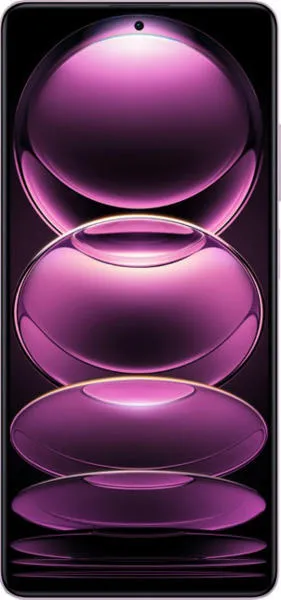
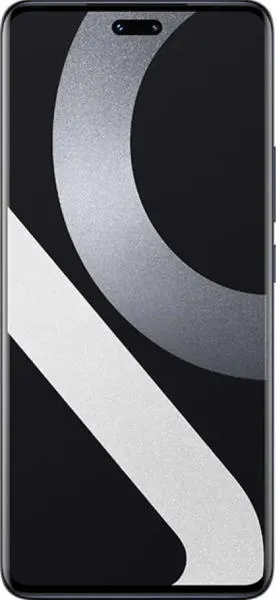
Xiaomi Redmi Note 12 Pro vs. Xiaomi 13 Lite: A Deep Dive for the Discerning User
Hello tech explorers! Alex Griffin here, ready to dissect the Xiaomi Redmi Note 12 Pro and the Xiaomi 13 Lite. We'll go beyond the spec sheets to uncover what truly matters: how these phones perform in the real world.
1. Specifications Breakdown
| Feature | Xiaomi Redmi Note 12 Pro | Xiaomi 13 Lite | Real-World Implications |
|---|---|---|---|
| Design | |||
| Dimensions (mm) | 163 x 76 x 8 | 159.2 x 72.7 x 7.2 | 13 Lite is slightly more compact and lighter. |
| Weight (g) | 187 | 171 | Noticeable difference in hand feel; 13 Lite feels less bulky. |
| Display | |||
| Size (inches) | 6.67 | 6.55 | Negligible difference in screen real estate. |
| Resolution (px) | 1080 x 2400 | 1080 x 2400 | Identical sharpness; both offer crisp visuals. |
| Refresh Rate (Hz) | 120 | 120 | Smooth scrolling and animations on both. |
| Display Type | AMOLED | AMOLED | Vibrant colors, deep blacks, excellent contrast. |
| Peak Brightness | 900 nits | 1000 nits | 13 Lite offers better visibility in bright sunlight. |
| Performance | |||
| Chipset | Dimensity 1080 (6nm) | Snapdragon 7 Gen 1 (4nm) | 13 Lite boasts a more powerful and efficient processor. |
| CPU | Octa-core (2x2.6 GHz Cortex-A78 & 6x2.0 GHz Cortex-A55) | Octa-core (1x2.4 GHz Cortex-A710 & 3x2.36 GHz Cortex-A710 & 4x1.8 GHz Cortex-A510) | 13 Lite's CPU architecture delivers superior performance in demanding tasks. |
| GPU | Mali-G68 MC4 | Adreno 644 | 13 Lite should handle gaming and graphics-intensive apps better. |
| RAM | 6/8/12GB | 8GB | More RAM options on Note 12 Pro, but 8GB is sufficient for most users. |
| Camera | |||
| Main Sensor | 50MP Sony IMX766 | 50MP Sony IMX766 | Identical primary sensor; expect comparable image quality. |
| Selfie Camera | 16MP | 32MP | Significantly higher resolution on the 13 Lite for sharper selfies. |
| Battery Life | |||
| Capacity (mAh) | 5000 | 4500 | Note 12 Pro has a larger battery, potentially longer runtime. |
2. Key Insights
- Performance Prowess: The Xiaomi 13 Lite's Snapdragon 7 Gen 1 chip provides a significant performance advantage over the Redmi Note 12 Pro's Dimensity 1080. This translates to faster app loading, smoother multitasking, and enhanced gaming capabilities.
- Display Delight: While both phones feature AMOLED displays with 120Hz refresh rates, the 13 Lite's higher peak brightness ensures better outdoor visibility.
- Selfie Superstar: The 13 Lite's 32MP front camera trounces the Note 12 Pro's 16MP offering, promising sharper and more detailed selfies.
- Endurance Equation: The Note 12 Pro's larger 5000mAh battery likely provides longer battery life compared to the 13 Lite's 4500mAh battery. However, the 13 Lite's more efficient processor might offset this difference to some extent.
3. User Profiles and Recommendations
- Redmi Note 12 Pro: Best suited for budget-conscious users who prioritize long battery life and solid overall performance. Excellent for casual gaming, media consumption, and everyday tasks.
- Xiaomi 13 Lite: Ideal for users seeking a more powerful and compact device with a superior selfie camera. A great choice for mobile gamers, photography enthusiasts, and those who demand top-tier performance.
4. Buying Decision Framework
- What's your budget? The Redmi Note 12 Pro generally offers a lower price point.
- Is top-tier performance crucial? If gaming or demanding apps are a priority, the 13 Lite's Snapdragon 7 Gen 1 is the clear winner.
- How important is battery life? If all-day endurance is paramount, the Note 12 Pro's larger battery might be more appealing.
Scenario-Based Recommendations:
- Heavy Gamer: Xiaomi 13 Lite
- Social Media Maven: Xiaomi 13 Lite (for the superior selfie camera)
- All-Day Power User: Redmi Note 12 Pro
- Budget-Conscious Consumer: Redmi Note 12 Pro
My Choice: Xiaomi 13 Lite
If I were choosing between these two, I'd go with the Xiaomi 13 Lite. While the Redmi Note 12 Pro offers a compelling value proposition with its longer battery life, I prioritize performance and a smooth user experience. The 13 Lite's Snapdragon 7 Gen 1, combined with its brighter display and superior selfie camera, make it the more appealing device for my needs. The slightly smaller battery is a trade-off I'm willing to make for the significant performance gains and improved overall user experience. I appreciate a phone that can handle anything I throw at it without breaking a sweat, and the 13 Lite delivers on that promise.
