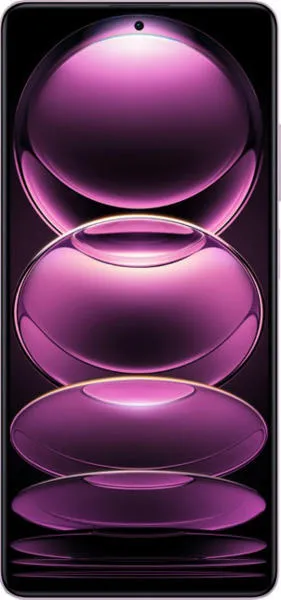
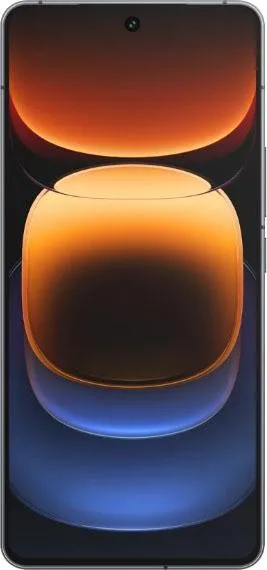
Xiaomi Redmi Note 12 Pro vs. vivo iQOO 12: A Deep Dive
Let's dissect the Xiaomi Redmi Note 12 Pro and the vivo iQOO 12, going beyond the spec sheet to understand what these phones offer in the real world.
1. Specifications Breakdown
| Feature | Xiaomi Redmi Note 12 Pro | vivo iQOO 12 | Real-World Implications |
|---|---|---|---|
| Design | |||
| Dimensions (mm) | 163 x 76 x 8 | 163.2 x 75.9 x 8.1 | iQOO 12 slightly larger, minimal difference in hand feel. |
| Weight (g) | 187 | 198.5 | Redmi lighter, noticeable for extended use. |
| Display | |||
| Size (inches) | 6.67 | 6.78 | iQOO 12 offers a slightly larger screen. |
| Resolution | 1080 x 2400 | 1260 x 2800 | iQOO 12 sharper, crisper text and images. |
| Refresh Rate (Hz) | 120 | 144 (LTPO) | iQOO 12 smoother animations, scrolling, and gaming; more battery efficient due to variable refresh rate. |
| Display Type | AMOLED | LTPO AMOLED | Both vibrant, but iQOO 12 potentially more power efficient with LTPO. |
| Peak Brightness | 900 nits | 3000 nits | iQOO 12 significantly brighter outdoors. |
| Performance | |||
| Chipset | Dimensity 1080 (6nm) | Snapdragon 8 Gen 3 (4nm) | iQOO 12 vastly more powerful, better for demanding tasks and gaming. |
| CPU | Octa-core (2x2.6 GHz A78 & 6x2.0 GHz A55) | Octa-core (1x3.3 GHz X4 & 7x A720/A520) | iQOO 12's newer architecture and higher clock speeds deliver superior performance. |
| GPU | Mali-G68 MC4 | Adreno 750 | iQOO 12 offers a substantial leap in graphics performance. |
| RAM | 6/8/12GB | 12/16GB | iQOO 12 offers more RAM in its base configuration, enhancing multitasking. |
| Camera | |||
| Main Camera | 50MP Sony IMX766 | 50MP Omnivision OV50H | Both strong contenders, likely comparable image quality. Real-world testing needed. |
| Ultrawide | 8MP | 50MP Samsung S5KJN1 | iQOO 12's higher resolution ultrawide offers significantly more detail. |
| Telephoto | N/A | 64MP Omnivision OV64B | iQOO 12 features a dedicated telephoto lens for optical zoom, absent in the Redmi. |
| Battery Life | |||
| Capacity (mAh) | 5000 | 5000 | Similar battery capacity, but iQOO 12's more efficient chip could translate to longer battery life. |
2. Key Insights
- Performance: The iQOO 12 is the clear winner, boasting the latest Snapdragon 8 Gen 3, offering flagship-level performance ideal for demanding games and applications. The Redmi Note 12 Pro, while capable for everyday tasks, lags significantly in raw power.
- Display: Both phones feature excellent AMOLED displays, but the iQOO 12 pulls ahead with its higher resolution, faster 144Hz LTPO refresh rate, and dramatically brighter peak brightness. This results in a smoother, more responsive, and more visible display, especially outdoors.
- Camera: The iQOO 12 has a more versatile camera system due to its high-resolution ultrawide and the inclusion of a telephoto lens. While the main sensors are likely comparable, the iQOO 12's additional lenses provide greater creative flexibility.
- Value: The Redmi Note 12 Pro significantly undercuts the iQOO 12 in price. It provides good value for users seeking a solid mid-range experience, while the iQOO 12 commands a premium for its cutting-edge hardware.
3. User Profiles and Recommendations
- Redmi Note 12 Pro: Best suited for budget-conscious users who prioritize everyday functionality, casual gaming, and social media. It's a reliable workhorse for general use.
- vivo iQOO 12: Ideal for power users, mobile gamers, and those seeking the latest and greatest technology. Its superior performance, display, and camera system justify the higher price tag for demanding users.
4. Buying Decision Framework
- What is your budget? The Redmi offers excellent value, while the iQOO 12 is a premium device.
- What are your primary phone usage patterns? Casual use vs. demanding gaming and multitasking.
- How important is display quality and camera versatility? The iQOO 12 excels in both areas.
My Choice: As a tech journalist who appreciates cutting-edge technology and demands peak performance, I would choose the vivo iQOO 12. The Snapdragon 8 Gen 3, the brilliant 144Hz LTPO display, and the versatile camera system are compelling. While the price is higher, the significant performance upgrade and enhanced user experience justify the premium for my needs. The future-proofing aspect of the iQOO 12, thanks to its powerful hardware and software updates, also plays a significant role in my decision. I often push my devices to their limits with intensive tasks and the iQOO 12 is better equipped to handle that.
