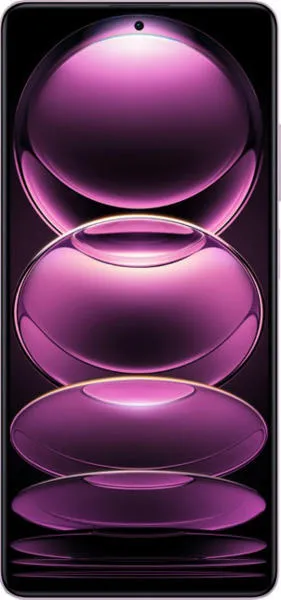
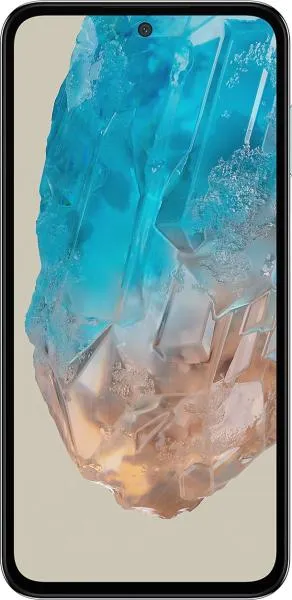
Xiaomi Redmi Note 12 Pro vs. Samsung Galaxy M35: A Detailed Comparison
Let's dive deep into a comparative analysis of the Xiaomi Redmi Note 12 Pro and the Samsung Galaxy M35, dissecting their specifications and uncovering what they truly offer in real-world usage.
1. Specifications Breakdown
| Feature | Xiaomi Redmi Note 12 Pro | Samsung Galaxy M35 | Real-World Implications |
|---|---|---|---|
| Design | |||
| Dimensions (mm) | 163 x 76 x 8 | 162.3 x 78.6 x 9.1 | M35 slightly wider and thicker, Redmi Note 12 Pro thinner and lighter. Impacts one-handed use and pocket portability. |
| Weight (g) | 187 | 222 | Noticeable weight difference; Redmi Note 12 Pro more comfortable for extended use. |
| Display | |||
| Size (inches) | 6.67 | 6.6 | Negligible size difference; both offer immersive viewing experiences. |
| Resolution (px) | 1080 x 2400 | 1080 x 2340 | Virtually identical sharpness; both crisp and detailed. |
| Type | AMOLED, 120Hz | Super AMOLED, 120Hz | Both offer vibrant colors, deep blacks, and smooth scrolling. M35 potentially brighter with 1000 nits HBM, though Redmi boasts Dolby Vision. |
| Performance | |||
| Chipset | Mediatek Dimensity 1080 | Exynos 1380 | Exynos 1380 generally more powerful and efficient due to 5nm fabrication, leading to better performance and battery life. |
| CPU | Octa-core (2x2.6 GHz A78 & 6x2.0 GHz A55) | Octa-core (4x2.4 GHz A78 & 4x2.0 GHz A55) | M35's CPU configuration may provide a performance edge in demanding tasks. |
| GPU | Mali-G68 MC4 | Mali-G68 MP5 | M35's GPU likely offers slightly better graphics performance for gaming. |
| RAM | 6/8/12GB | 8GB | Redmi Note 12 Pro offers more RAM options, beneficial for multitasking and demanding applications. |
| Camera | |||
| Main Camera (MP) | 50 MP, Sony IMX766 | 50 MP, Sony LYT-600 | Both have capable main sensors; image quality will likely depend on software processing. Real-world testing needed for definitive comparison. |
| Video | 4K@30fps, 1080p@120fps | 4K@30fps, 720p@480fps | M35 boasts higher slow-motion video recording capabilities. |
| Battery Life | |||
| Capacity (mAh) | 5000 | 6000 | M35's significantly larger battery capacity suggests longer usage time. |
2. Key Insights
- Performance: The Samsung Galaxy M35, with its newer Exynos 1380 processor, holds a performance advantage. This translates to smoother multitasking, faster app loading, and potentially better gaming experiences.
- Battery Life: The M35's 6000mAh battery significantly outpaces the Redmi Note 12 Pro's 5000mAh, promising longer usage on a single charge.
- Display: While both phones offer excellent AMOLED displays with 120Hz refresh rates, the Redmi Note 12 Pro supports Dolby Vision for enhanced HDR content, potentially offering a richer viewing experience in supported media. The M35, on the other hand, might offer higher peak brightness.
- Camera: Both phones feature comparable main camera sensors. Real-world image and video quality will hinge on software processing, requiring hands-on testing for a definitive verdict. However, the M35's superior slow-motion video recording is a clear advantage.
- Value: The Redmi Note 12 Pro generally comes at a lower price point, offering competitive features for its cost.
3. User Profiles and Recommendations
- Redmi Note 12 Pro: Suited for budget-conscious users who prioritize a slim and lightweight design, value Dolby Vision support, and need a capable all-around performer.
- Samsung Galaxy M35: Ideal for users who demand longer battery life, superior performance for gaming or demanding tasks, and place importance on having the latest Android OS and a newer device in general.
4. Buying Decision Framework
- What's your budget? The Redmi Note 12 Pro generally offers better value for its price.
- How important is battery life? If all-day battery life is crucial, the M35 is the clear winner.
- What are your performance needs? Gamers and power users will appreciate the M35's more powerful processor and GPU.
My Choice: I would choose the Samsung Galaxy M35. While the Redmi Note 12 Pro is a compelling option with its attractive price and Dolby Vision, the M35's significantly longer battery life, more powerful processor built on a more efficient process, and newer Android OS make it the more future-proof choice for me. The slightly higher price is a worthwhile trade-off for these advantages in my opinion as a tech journalist who often pushes devices to their limits. I also value having the latest software, and the two-year newer release date of the M35 makes a difference here.
