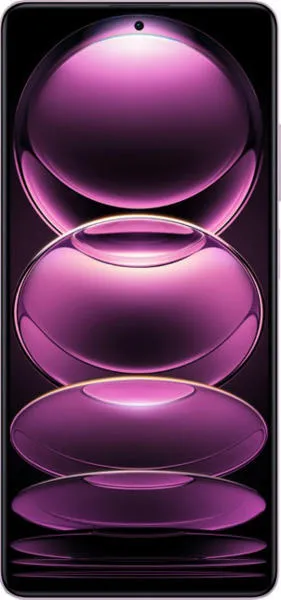
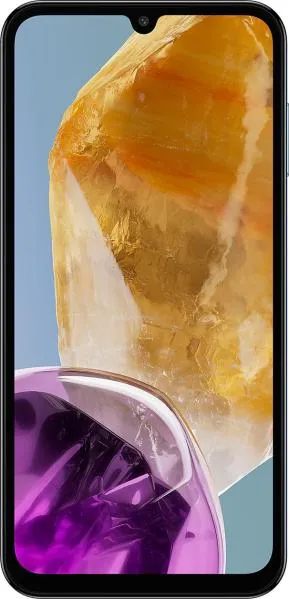
Let's dive into a comparative analysis of the Xiaomi Redmi Note 12 Pro and the Samsung Galaxy M15, dissecting their specifications and uncovering what they truly offer the user.
1. Specifications Breakdown
| Feature | Xiaomi Redmi Note 12 Pro | Samsung Galaxy M15 | Real-World Implications |
|---|---|---|---|
| Design | |||
| Dimensions (mm) | 163 x 76 x 8 | 160.1 x 76.8 x 9.3 | Redmi is slightly taller and thinner, Samsung a bit thicker. Negligible difference in daily handling. |
| Weight (g) | 187 | 217 | Samsung is noticeably heavier, potentially impacting one-handed use and pocket comfort. |
| Display | |||
| Type | AMOLED, 120Hz | Super AMOLED, 90Hz | Both offer vibrant colors and deep blacks. Redmi's 120Hz delivers smoother scrolling and animations. |
| Size (inches) | 6.67 | 6.5 | Redmi offers a slightly larger screen, enhancing media consumption. |
| Resolution (px) | 1080 x 2400 | 1080 x 2340 | Virtually identical sharpness. |
| Brightness (nits) | 900 (HBM) | 800 (HBM) | Redmi can get slightly brighter outdoors. |
| HDR | Dolby Vision, HDR10+ | None | Redmi supports a wider range of HDR content for a superior viewing experience. |
| Performance | |||
| Chipset | Dimensity 1080 (6nm) | Dimensity 6100+ (6nm) | Both offer solid mid-range performance, but the newer 6100+ in the Samsung likely has a slight edge. |
| CPU | Octa-core (2x2.6 GHz A78 & 6x2.0 GHz A55) | Octa-core (2x2.2 GHz A76 & 6x2.0 GHz A55) | Comparable CPU configurations, but architectural differences may favor the Samsung in some tasks. |
| GPU | Mali-G68 MC4 | Mali-G57 MC2 | Redmi likely has the more powerful GPU, beneficial for gaming. |
| RAM (GB) | 6, 8, 12 | 4, 6 | Redmi offers higher RAM configurations for better multitasking. |
| Camera | |||
| Main Camera (MP) | 50 (Sony IMX766) | 50 (ISOCELL) | Both have 50MP main sensors. Redmi utilizes the renowned Sony IMX766, suggesting potentially better image quality. |
| Video | 4K@30fps, 1080p@120fps | 1080p@30fps | Redmi provides significantly better video recording capabilities. |
| Battery Life | |||
| Capacity (mAh) | 5000 | 6000 | Samsung boasts a larger battery, likely translating to longer usage times. |
2. Key Insights
- Display: While both phones offer AMOLED displays with high refresh rates, the Redmi Note 12 Pro's 120Hz and HDR support create a more premium visual experience.
- Performance: On paper, the Redmi Note 12 Pro, particularly with its higher RAM options, might seem more powerful. However, the Samsung Galaxy M15's newer Dimensity 6100+ processor could offer better efficiency and potentially surpass the Redmi in certain tasks. Real-world benchmarking would be necessary to confirm this.
- Camera: The Sony IMX766 sensor in the Redmi Note 12 Pro combined with its superior video recording capabilities gives it a clear advantage in the camera department.
- Battery Life: The Samsung Galaxy M15's 6000mAh battery promises significantly longer endurance compared to the Redmi Note 12 Pro's 5000mAh battery.
3. User Profiles and Recommendations
- Redmi Note 12 Pro: Ideal for users who prioritize a smooth and vibrant display, superior camera quality, especially for video recording, and strong overall performance. Gamers and multimedia enthusiasts would lean towards this device.
- Samsung Galaxy M15: Best suited for users who value long battery life above all else. Its more modern processor might offer better efficiency for day-to-day tasks, and it's a good choice for those who are less demanding of peak performance or cutting-edge camera features.
4. Buying Decision Framework
- What is your primary use case? Heavy multimedia consumption, gaming, or photography/videography leans towards the Redmi. Basic daily tasks, extended battery life for travel, or less demanding usage favors the Samsung.
- What is your budget? While both are mid-range, comparing prices for specific RAM/storage configurations is crucial.
- How important is display quality and smoothness? The Redmi's 120Hz and HDR support are significant differentiators if visual fidelity is paramount.
My Choice
Personally, I would choose the Xiaomi Redmi Note 12 Pro. The superior display, the inclusion of the Sony IMX766 sensor (which I know from experience consistently delivers excellent results), and the more robust video recording capabilities are compelling. While the Samsung M15 offers a larger battery, I can usually manage a day with a 5000mAh battery, and I prioritize the other features the Redmi offers. The potential performance differences between the two chipsets are less crucial to me than the tangible benefits of the Redmi's screen and camera. I also value the higher RAM options available on the Redmi for future-proofing and smoother multitasking.
