
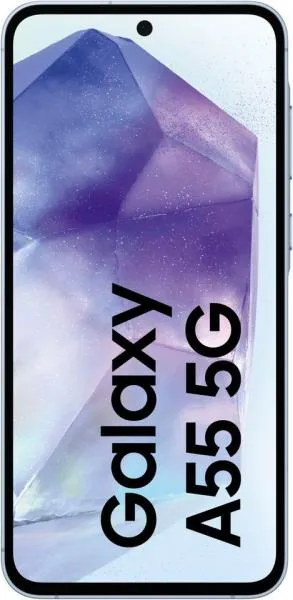
Xiaomi Redmi Note 12 Pro vs. Samsung Galaxy A55: A Deep Dive
Let's dissect the Xiaomi Redmi Note 12 Pro and the Samsung Galaxy A55, two compelling mid-range contenders vying for your attention. We'll go beyond the spec sheet, translating numbers into real-world experiences to help you choose the perfect fit.
1. Specifications Breakdown
| Feature | Xiaomi Redmi Note 12 Pro | Samsung Galaxy A55 | Real-World Implications |
|---|---|---|---|
| Design | |||
| Dimensions (mm) | 163 x 76 x 8 | 161.1 x 77.4 x 8.2 | A55 slightly smaller, potentially more pocketable |
| Weight (g) | 187 | 213 | Redmi feels lighter in hand |
| Build | Glass front/back | assumed glass front | Redmi might feel more premium; A55 durability unknown |
| Display | |||
| Type | AMOLED | Super AMOLED | Both offer vibrant colors and deep blacks |
| Size (inches) | 6.67 | 6.6 | Negligible difference in screen real estate |
| Refresh Rate (Hz) | 120 | 120 | Smooth scrolling and responsive gaming |
| Resolution | 1080 x 2400 | 1080 x 2340 | Similar sharpness; Redmi slightly higher pixel density |
| Performance | |||
| Chipset | Dimensity 1080 (6nm) | Exynos 1480 (4nm) | A55 likely more power-efficient, potentially faster |
| CPU | Octa-core (2.6 GHz A78) | Octa-core (2.75Ghz A78) | A55 boasts slightly higher clock speeds |
| GPU | Mali-G68 MC4 | Xclipse 530 | A55's GPU could offer better gaming performance |
| RAM | 6/8/12GB | 8/12GB | Both offer ample RAM for multitasking |
| Camera | |||
| Main Camera | 50MP (Sony IMX766) | 50MP (Sony IMX906) | Both excellent sensors; IMX906 potentially better |
| Ultrawide | 8MP | 13MP | A55 significantly wider field of view |
| Selfie Camera | 16MP | 32MP | A55 boasts higher resolution for sharper selfies |
| Video | 4K@30fps | 4K@30fps w/ EIS | A55 has Electronic Image Stabilization for video |
| Battery Life | |||
| Capacity (mAh) | 5000 | 5000 | Similar battery capacity |
2. Key Insights
- Performance: The A55's newer 4nm Exynos processor and potentially more powerful GPU give it a likely edge in performance and efficiency, especially for demanding tasks and gaming. The Redmi Note 12 Pro holds its own with a capable Dimensity chip, but the A55 is likely the future-proof choice.
- Camera: While both phones feature 50MP main sensors, the A55's Sony IMX906 is newer and might offer slightly better image quality. The A55's superior ultrawide and selfie cameras, along with video stabilization, make it a stronger contender for photography enthusiasts. The Redmi compensates with impressive features like Dolby Vision HDR video recording.
- Software and Updates: The A55 ships with Android 14 and boasts longer-term software support (up to Android 18), giving it a clear advantage in longevity and receiving the latest features. The Redmi, running Android 12, might not receive as many updates.
- Price: While pricing can fluctuate, the Redmi Note 12 Pro generally launched at a lower price point than the Galaxy A55. This makes it a compelling value proposition, especially for budget-conscious buyers.
3. User Profiles and Recommendations
- Redmi Note 12 Pro: Ideal for budget-conscious users who prioritize a great display, solid performance, and good battery life. Its strong camera system makes it versatile for everyday photography and video recording.
- Samsung Galaxy A55: Best suited for users who demand top-tier performance, a future-proof software experience, and a more advanced camera system with superior ultrawide and selfie capabilities. The longer software support also makes it a wise investment for the long term.
4. Buying Decision Framework
- What's your budget? If you're looking for the most affordable option, the Redmi Note 12 Pro is likely the better choice.
- How important is long-term software support? If you want a phone that will receive updates for several years, the A55's guaranteed updates to Android 18 are a huge plus.
- Are you a heavy gamer or power user? The A55's more powerful processor and GPU will provide a smoother experience for demanding tasks and games.
My Choice: I would choose the Samsung Galaxy A55. While the Redmi Note 12 Pro offers excellent value, the A55's superior performance, more advanced camera system with OIS for video, and significantly longer software support make it a more compelling long-term investment. The slightly higher price is justified for the peace of mind and sustained performance it offers. I value having the latest software and a phone that can handle demanding tasks without slowing down over time. The A55's stronger camera system, particularly the ultrawide and selfie lenses, also aligns with my personal preferences.
