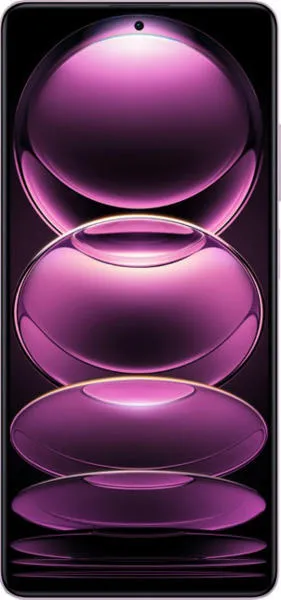
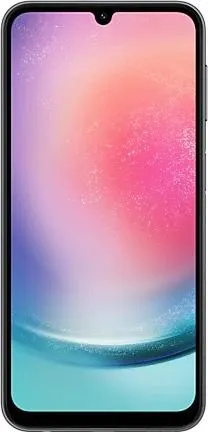
Xiaomi Redmi Note 12 Pro vs. Samsung Galaxy A24 4G: A Deep Dive
Hello fellow tech explorers! Alex Griffin here, ready to dissect the Xiaomi Redmi Note 12 Pro and the Samsung Galaxy A24 4G. We'll go beyond the spec sheets to uncover what these phones truly offer in the real world.
1. Specifications Breakdown
| Feature | Xiaomi Redmi Note 12 Pro | Samsung Galaxy A24 4G | Real-World Implications | |||||
|---|---|---|---|---|---|---|---|---|
| Design | ||||||||
| Dimensions (mm) | 163 x 76 x 8 | 162.1 x 77.6 x 8.3 | Redmi is slightly slimmer; both are comfortable to hold. | |||||
| Weight (g) | 187 | 195 | Negligible weight difference in day-to-day use. | |||||
| Display | ||||||||
| Type | AMOLED | Super AMOLED | Both offer vibrant colors and deep blacks. | |||||
| Size | 6.67" | 6.5" | Redmi provides slightly more screen real estate. | |||||
| Refresh Rate | 120Hz | 90Hz | Redmi's higher refresh rate delivers smoother scrolling and animations. | |||||
| HDR | Dolby Vision, HDR10+ | None | Redmi offers superior HDR support for compatible content, resulting in a more dynamic viewing experience. | |||||
| Peak Brightness | 900 nits | 1000 nits | Samsung boasts higher peak brightness, improving outdoor visibility. | Performance | ||||
| Chipset | Dimensity 1080 (6nm) | Helio G99 (6nm) | Both offer comparable mid-range performance, but the Dimensity 1080 generally edges out the Helio G99. | |||||
| CPU | Octa-core (2x2.6 GHz Cortex-A78 & 6x2.0 GHz Cortex-A55) | Octa-core (2x2.2 GHz Cortex-A76 & 6x2.0 GHz Cortex-A55) | Redmi's CPU configuration might offer a slight advantage in demanding tasks. | |||||
| GPU | Mali-G68 MC4 | Mali-G57 MC2 | Redmi's GPU is expected to provide better gaming performance. | |||||
| RAM | 6/8/12GB | 4/6/8GB | Redmi offers a 12GB RAM option for power users. | |||||
| Camera | ||||||||
| Main | 50MP (Sony IMX766) | 50MP | Redmi's use of the Sony IMX766 sensor suggests potentially better low-light performance and image quality. | |||||
| Video | 4K@30fps | 1080p@30fps | Redmi supports higher resolution video recording. | |||||
| Battery Life | ||||||||
| Capacity | 5000 mAh | 5000 mAh | Both offer similar battery capacities; real-world usage will depend on individual habits. |
2. Key Insights
Display Delight: The Redmi Note 12 Pro's 120Hz refresh rate and HDR support make for a noticeably smoother and more visually engaging experience. While the A24 boasts higher peak brightness, the Redmi's overall display package is more compelling for media consumption.
Performance Prowess: The Dimensity 1080 in the Redmi, coupled with higher RAM options, provides a performance edge, particularly for gaming and multitasking. The A24's Helio G99 is capable for everyday tasks, but the Redmi offers more headroom for demanding applications.
Camera Considerations: The Redmi's Sony IMX766 sensor is a known performer, promising superior image quality, especially in challenging lighting conditions. While detailed camera comparisons require real-world testing, the Redmi has a strong hardware advantage on paper.
3. User Profiles and Recommendations
Redmi Note 12 Pro: Ideal for users who prioritize a fluid display, strong performance, and potentially superior camera capabilities. Gamers, content creators, and multitaskers will appreciate the Redmi's extra horsepower.
Samsung Galaxy A24 4G: Suited for users who primarily use their phones for basic tasks like communication, social media, and web browsing. Its strength lies in its long-lasting battery and reliable Samsung software experience. Budget-conscious buyers may also find the A24 more appealing.
4. Buying Decision Framework
- Is a smooth display and strong performance a priority? If yes, the Redmi Note 12 Pro is the clear winner.
- Are you a heavy gamer or content creator? If so, the Redmi's powerful hardware will better meet your needs.
- Is budget your primary concern? If yes, the Samsung Galaxy A24 4G offers good value for its price.
My Choice: Xiaomi Redmi Note 12 Pro
If I were choosing between these two, I'd go with the Redmi Note 12 Pro. The 120Hz display, coupled with HDR support, is a significant draw for me. I value a smooth and immersive visual experience, and the Redmi delivers on that front. The more powerful Dimensity 1080 and the potential of the Sony IMX766 camera sensor further solidify my choice. While the A24 is a solid contender, the Redmi's superior features in key areas make it the more compelling device for my usage patterns. I appreciate having that extra performance headroom for future-proofing and demanding tasks. Essentially, the Redmi offers a more well-rounded package for a power user like myself, even if it might come at a slightly higher price point.
