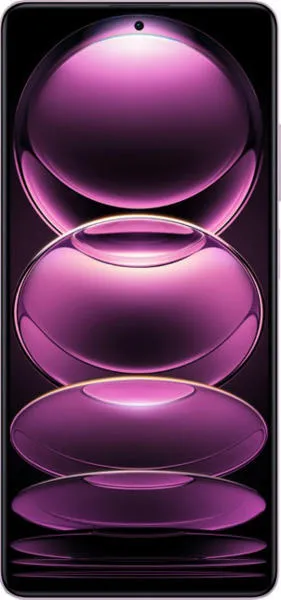
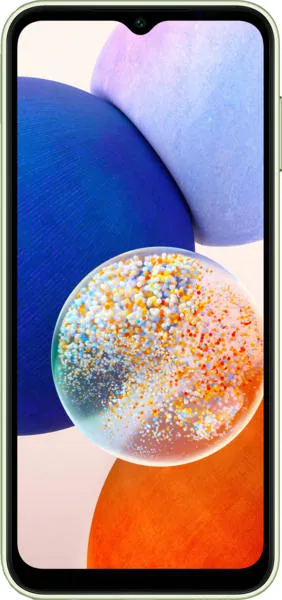
Xiaomi Redmi Note 12 Pro vs. Samsung Galaxy A14: A Deep Dive
Hello, fellow tech explorers! Today, we're dissecting two mid-range smartphone contenders: the Xiaomi Redmi Note 12 Pro and the Samsung Galaxy A14. We'll go beyond the spec sheets to uncover what these devices offer in real-world scenarios, helping you decide which one best fits your needs.
1. Specifications Breakdown
| Feature | Xiaomi Redmi Note 12 Pro | Samsung Galaxy A14 | Real-World Implications |
|---|---|---|---|
| Design | |||
| Dimensions (mm) | 163 x 76 x 8 | 167.7 x 78 x 9.1 | Redmi Note 12 Pro is slightly more compact and thinner. |
| Weight (g) | 187 | 201 | Redmi Note 12 Pro feels lighter in hand. |
| Display | |||
| Type | AMOLED | PLS LCD | Redmi's AMOLED offers richer blacks, vibrant colors, and better power efficiency in dark mode. |
| Size (inches) | 6.67 | 6.6 | Negligible difference in screen real estate. |
| Resolution | 1080 x 2400 | 1080 x 2408 | Virtually identical sharpness. |
| Refresh Rate (Hz) | 120 | - | Redmi's 120Hz provides smoother scrolling and animations, enhancing responsiveness and gaming experience. |
| Performance | |||
| Chipset | Dimensity 1080 (6nm) | Helio G80 (12nm) | Redmi's Dimensity 1080 offers significantly better performance, especially in demanding tasks and gaming. |
| CPU | Octa-core (2.6 GHz) | Octa-core (2.0 GHz) | Redmi's CPU has faster clock speeds, translating to quicker app launches and multitasking. |
| GPU | Mali-G68 MC4 | Mali-G52 MC2 | Redmi's GPU provides a smoother gaming experience and handles graphics-intensive tasks more efficiently. |
| Camera | |||
| Main Camera (MP) | 50 (Sony IMX766) | 50 | Redmi's IMX766 sensor generally captures better detail and low-light performance. Samsung's sensor details are limited. |
| Video Recording | 4K@30fps | 1080p@30fps | Redmi offers higher resolution video recording. |
| Battery Life | |||
| Capacity (mAh) | 5000 | 5000 | Similar battery capacities suggest comparable longevity, though real-world usage can vary. |
2. Key Insights
The Redmi Note 12 Pro significantly outperforms the Galaxy A14 in key areas. Its Dimensity 1080 chipset, coupled with a 120Hz AMOLED display, delivers a fluid and responsive user experience. The Sony IMX766 sensor promises superior camera capabilities. The Redmi also boasts faster charging capabilities.
The Galaxy A14, while offering a large display and long battery life, lags in processing power and display quality. It's a more budget-conscious option, but the performance gap is noticeable.
3. User Profiles and Recommendations
Redmi Note 12 Pro: Ideal for users who prioritize performance, a smooth display, and superior camera quality. Gamers, content creators, and multitaskers will appreciate its capabilities.
Galaxy A14: Suitable for users who primarily use their phones for basic tasks like browsing, social media, and communication. Its affordability makes it attractive for budget-conscious buyers.
4. Buying Decision Framework
- What is your budget? The Galaxy A14 is significantly cheaper.
- Is performance a priority? The Redmi Note 12 Pro offers a considerably better performance experience.
- How important is display quality? The Redmi's AMOLED screen is superior to the A14's LCD.
My Choice: Xiaomi Redmi Note 12 Pro
If I were choosing between these two, I'd go with the Redmi Note 12 Pro. While the Galaxy A14 offers excellent value for its price, the Redmi's superior performance, stunning AMOLED display, and advanced camera features make it a more compelling overall package. The smoother user experience, faster charging, and potential for better low-light photography are significant advantages that outweigh the price difference for me. As someone who values responsiveness and visual fidelity, the Redmi aligns more closely with my personal preferences and usage patterns. The jump in chipset performance alone would be a deciding factor, future-proofing the device for longer-term use.
