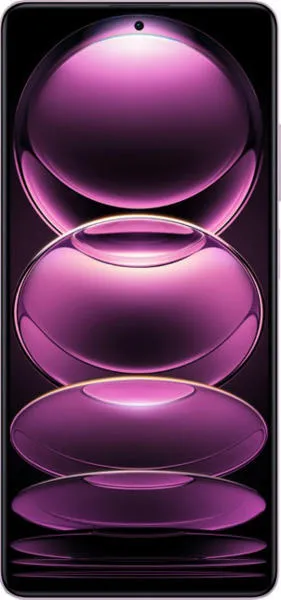
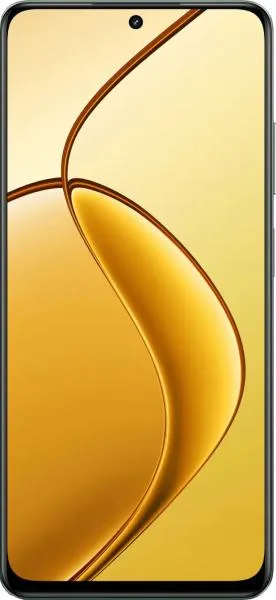
Xiaomi Redmi Note 12 Pro vs. Realme 12x: A Deep Dive
Let's dissect the Xiaomi Redmi Note 12 Pro and the Realme 12x, cutting through the marketing fluff to reveal what truly matters: how these phones perform in the real world.
1. Specifications Breakdown
| Feature | Xiaomi Redmi Note 12 Pro | Realme 12x | Real-World Implications |
|---|---|---|---|
| Design | |||
| Dimensions (mm) | 163 x 76 x 8 | 165.6 x 76.1 x 7.9 | Redmi is slightly more compact |
| Weight (g) | 187 | 190 | Negligible difference in hand |
| Build Materials | Glass front/back, plastic frame | Plastic back, plastic frame | Redmi feels more premium |
| Display | |||
| Type | AMOLED | IPS LCD | Redmi offers richer colors, deeper blacks, and better viewing angles |
| Size | 6.67" | 6.67" | Same screen real estate |
| Resolution | 1080 x 2400 | 720 x 1604 | Redmi significantly sharper; Realme's display appears pixelated |
| Refresh Rate | 120Hz | 120Hz | Both offer smooth scrolling and animations |
| HDR | Dolby Vision, HDR10+ | None | Redmi provides superior dynamic range in compatible content |
| Performance | |||
| Chipset | Dimensity 1080 (6nm) | Dimensity 6100+ (6nm) | Redmi boasts a slightly more powerful GPU |
| CPU | Octa-core (2x2.6 GHz Cortex-A78 & 6x2.0 GHz Cortex-A55) | Octa-core (2x2.2 GHz Cortex-A76 & 6x2.0 GHz Cortex-A55) | Comparable CPU performance, Redmi may handle demanding tasks slightly better |
| RAM | 6/8/12GB | 8/12GB | Both offer ample RAM for multitasking |
| Camera | |||
| Main Camera | 50MP Sony IMX766 | 50MP Samsung JN1 | Redmi's sensor is generally regarded as superior in image quality |
| Ultrawide | 8MP | None | Redmi offers ultrawide photography |
| Macro | 2MP | 2MP | Comparable macro capabilities |
| Video | 4K@30fps | 1080p@30fps | Redmi capable of higher resolution video recording |
| Battery Life | |||
| Capacity | 5000mAh | 5000mAh | Similar battery capacity; real-world usage will depend on software optimization and display efficiency |
2. Key Insights
The Redmi Note 12 Pro boasts a noticeably superior display due to its AMOLED technology and higher resolution. This translates to a more immersive and visually appealing experience, particularly for media consumption and gaming. While both phones feature a 120Hz refresh rate, the sharper visuals on the Redmi will make a tangible difference.
In terms of performance, the devices are relatively close, but the Redmi edges out with a slightly more powerful GPU for gaming and graphically intensive tasks. The real-world difference might be subtle for everyday use, but gamers might appreciate the Redmi's extra graphical muscle.
The camera systems present a clear advantage for the Redmi. The Sony IMX766 sensor in the Redmi is known for its excellent image quality, and the inclusion of an ultrawide lens adds versatility. The Realme 12x relies on a less renowned 50MP sensor and lacks an ultrawide option.
3. User Profiles and Recommendations
Redmi Note 12 Pro: Ideal for users who prioritize a vibrant display, superior camera quality, and a more premium feel. This phone excels in media consumption, gaming, and photography.
Realme 12x: Suited for budget-conscious users who prioritize core functionality and a large screen. This phone is a decent option for everyday tasks like browsing, social media, and communication.
4. Buying Decision Framework
- Is display quality a top priority? If yes, the Redmi Note 12 Pro's AMOLED screen is the clear winner.
- How important is camera versatility and image quality? Again, the Redmi pulls ahead with its superior sensor and ultrawide lens.
- Are you a heavy gamer or media consumer? The Redmi's slightly more powerful GPU and stunning display make it a better choice for demanding tasks.
My Choice: I would choose the Xiaomi Redmi Note 12 Pro. While the Realme 12x offers a compelling price, the Redmi's superior display, camera system, and overall build quality justify the slightly higher cost. As someone who appreciates a premium user experience and frequently uses my phone for photography and media consumption, the Redmi's advantages are undeniable. The sharper resolution alone makes a huge difference in daily use. The inclusion of an ultrawide lens adds a valuable creative tool to the camera system, while Dolby Vision and HDR10+ support enhance the viewing experience significantly. These factors, combined with the slightly more powerful hardware, make the Redmi Note 12 Pro the more compelling device for me.
