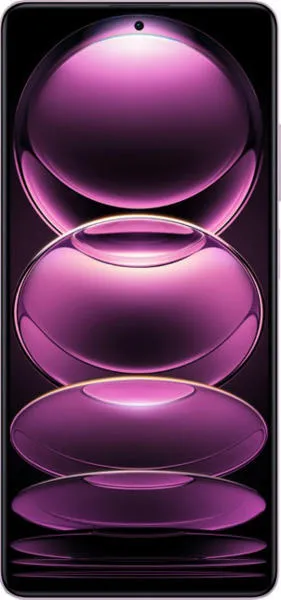
Xiaomi Redmi Note 12 Pro vs. realme 8: A Deep Dive
Let's dissect the Xiaomi Redmi Note 12 Pro and the realme 8, translating their spec sheets into real-world experiences.
1. Specifications Breakdown
| Feature | Xiaomi Redmi Note 12 Pro | realme 8 | Real-World Implications |
|---|---|---|---|
| Design | |||
| Dimensions (mm) | 163 x 76 x 8 | 162 x 75.1 x 8.7 | realme 8 is slightly taller and thicker. Negligible difference in daily use. |
| Weight (g) | 187 | 191 | Redmi Note 12 Pro is marginally lighter. |
| Build Material | Glass front/back, plastic frame | Glass front, plastic frame | Similar build quality, expect decent durability. |
| Display | |||
| Size (inches) | 6.67 | 6.78 | realme 8 offers a slightly larger screen, providing more immersive content consumption. |
| Resolution | 1080 x 2400 | 1264 x 2780 | realme 8 boasts a sharper display (450 ppi vs 395 ppi), resulting in crisper text and images. |
| Type | AMOLED | LTPO AMOLED | Both offer vibrant colors and deep blacks. realme 8's LTPO panel allows for dynamic refresh rate adjustment, potentially saving battery. |
| Refresh Rate | 120Hz | 120Hz | Both deliver smooth scrolling and animations. |
| Performance | |||
| Chipset | Mediatek Dimensity 1080 | Snapdragon 7+ Gen 3 | realme 8's Snapdragon chip is newer and significantly more powerful, promising smoother multitasking and better gaming performance. |
| CPU | Octa-core (2x2.6 GHz A78 & 6x2.0 GHz A55) | Octa-core (1x2.8 GHz X4 & 4x2.6 GHz A720 & 3x1.9 GHz A520) | realme 8 has a more powerful and efficient CPU architecture. |
| GPU | Mali-G68 MC4 | Adreno 732 | realme 8's GPU is more capable, delivering a superior gaming experience. |
| RAM | 6/8/12GB | 12GB | realme 8 offers a 12GB RAM configuration ensuring smooth performance even with heavy multitasking. |
| Camera | Data missing for realme 8. Redmi Note 12 Pro features a 50MP main sensor with OIS, promising good image quality. | ||
| Main Sensor | 50MP Sony IMX766 | N/A | |
| Battery Life | |||
| Capacity | 5000 mAh | 5500 mAh | realme 8 has a larger battery, potentially offering longer usage time. |
2. Key Insights
The realme 8, despite being a later release leveraging a newer chipset and GPU, directly competes with the Redmi Note 12 Pro on price. The realme 8's Snapdragon 7+ Gen 3 significantly outperforms the Redmi's Dimensity 1080. This translates to faster app loading, smoother gaming, and better overall responsiveness. The realme 8 also boasts a larger, sharper display with LTPO technology for adaptive refresh rates and potentially longer battery life.
The Redmi Note 12 Pro, however, holds its ground with a more affordable price point (depending on the configuration). Its 50MP Sony IMX766 sensor with OIS potentially offers excellent image quality. While we lack camera details for the realme 8, the Redmi Note 12 Pro emerges as a strong contender in photography.
3. User Profiles and Recommendations
- Power Users & Gamers: The realme 8's superior processor and GPU make it ideal for demanding tasks and gaming.
- Budget-Conscious Users: The Redmi Note 12 Pro offers excellent value for its price, particularly for users prioritizing camera quality.
- General Users: Both phones cater to everyday needs. The choice depends on individual priorities – performance vs. price.
4. Buying Decision Framework
- What's your budget? The Redmi Note 12 Pro offers more configuration choices for various price points.
- Is performance a top priority? The realme 8 delivers a noticeably smoother experience thanks to its more powerful chipset.
- How important is camera quality? The Redmi Note 12 Pro's 50MP sensor with OIS promises good image quality, pending a comparison with the realme 8's camera (specs missing).
My Choice: realme 8
While lacking camera details for the realme 8 makes a definitive judgement slightly challenging, based purely on available information, I'd lean towards the realme 8. The significantly more powerful Snapdragon 7+ Gen 3, coupled with the larger, sharper LTPO AMOLED display and a larger battery, offer a compelling package. The performance difference in day-to-day use and especially in gaming would be noticeable. Even though the Redmi Note 12 Pro boasts a strong camera setup, for me, the overall user experience offered by the realme 8's hardware outweighs the potential price difference, making it a more future-proof investment. However, if budget is a major constraint, the Redmi Note 12 Pro offers incredible value.
