Xiaomi Redmi Note 12 Pro vs. Oppo Reno8 T: A Deep Dive
Let's dissect the Xiaomi Redmi Note 12 Pro and the Oppo Reno8 T, two compelling mid-range contenders vying for your attention. I'll break down their specs, analyze their real-world performance, and help you decide which phone best fits your needs.
1. Specifications Breakdown
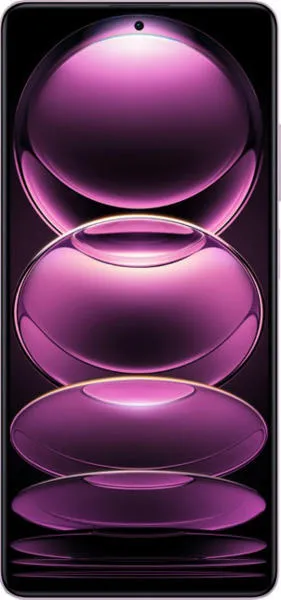
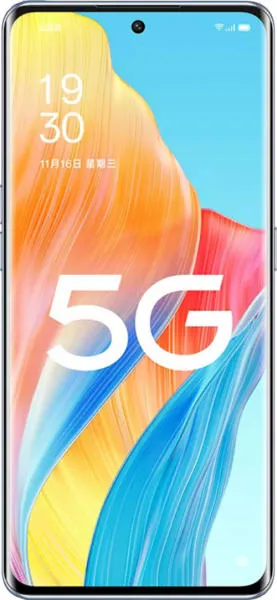
| Feature | Xiaomi Redmi Note 12 Pro | Oppo Reno8 T | Real-World Implications |
|---|---|---|---|
| Design | |||
| Dimensions (mm) | 163 x 76 x 8 | 160.8 x 73.8 x 7.8 | Redmi is slightly larger |
| Weight (g) | 187 | 180 | Negligible difference in hand |
| Build Materials | Glass front/back, plastic frame | Glass front, plastic frame/back | Redmi feels more premium |
| Display | |||
| Size (inches) | 6.67 | 6.43 | Redmi offers a larger screen |
| Resolution | 1080 x 2400 | 1080 x 2400 | Identical sharpness |
| Refresh Rate (Hz) | 120 | 90 | Redmi's display is smoother, more responsive |
| Display Type | AMOLED, HDR10+, Dolby Vision | AMOLED | Redmi's display boasts richer colors and better HDR |
| Performance | |||
| Chipset | Mediatek Dimensity 1080 | Mediatek Helio G99 | Redmi has a more powerful processor, better for gaming and multitasking |
| CPU | Octa-core (2x2.6 GHz Cortex-A78 & 6x2.0 GHz Cortex-A55) | Octa-core (2x2.2 GHz Cortex-A76 & 6x2.0 GHz Cortex-A55) | Redmi has a slight edge in CPU performance |
| GPU | Mali-G68 MC4 | Mali-G57 MC2 | Redmi offers significantly better graphics performance |
| RAM | 6/8/12GB | 8GB | Redmi offers more RAM configurations for heavier multitasking |
| Camera | |||
| Main Camera (MP) | 50 MP (Sony IMX766) | 108 MP (Samsung HM6) | Oppo boasts higher resolution; Redmi uses a larger sensor known for good low-light performance |
| Video Recording | 4K@30fps, 1080p@120fps | 1080p@30fps | Redmi offers superior video capabilities |
| Battery Life | |||
| Capacity (mAh) | 5000 | 5000 | Identical battery capacity |
| Charging | 67W Fast charging | 33W Fast charging | Redmi charges significantly faster |
2. Key Insights
- Performance: The Redmi Note 12 Pro, with its Dimensity 1080 and superior GPU, demonstrably outperforms the Reno8 T in processing power and graphics rendering. This translates to smoother gaming, faster app loading, and more responsive multitasking. The Reno8 T, while capable for everyday tasks, might struggle with demanding applications.
- Display: While both phones feature AMOLED displays with the same resolution, the Redmi Note 12 Pro's 120Hz refresh rate provides a noticeably smoother and more fluid user experience, especially for scrolling and gaming. Its HDR10+ and Dolby Vision support also deliver a more vibrant and immersive viewing experience.
- Camera: The megapixel count might favor the Oppo Reno8 T, but the Redmi Note 12 Pro utilizes a well-regarded Sony IMX766 sensor known for excellent light capture and dynamic range. Real-world image quality likely favors the Redmi, especially in low light. Plus, the Redmi's superior video recording capabilities are a clear advantage.
- Charging: The Redmi Note 12 Pro's 67W fast charging significantly outpaces the Reno8 T's 33W, meaning less downtime tethered to a charger.
3. User Profiles and Recommendations
- Redmi Note 12 Pro: Ideal for users who prioritize performance, a smooth display, faster charging, and overall value. Gamers, multitaskers, and content consumers will appreciate its capabilities.
- Oppo Reno8 T: Suitable for users seeking a stylish design with a decent display and battery life, primarily for everyday tasks like social media, browsing, and casual photography. Its main appeal might be its aesthetics and potentially lower price point.
4. Buying Decision Framework
- What's your budget? The Redmi Note 12 Pro generally offers better value for its performance but might be slightly more expensive.
- Are you a power user? If gaming, multitasking, or demanding apps are important, the Redmi Note 12 Pro is the clear winner.
- How important is display quality and smoothness? The Redmi's 120Hz and HDR capabilities provide a superior visual experience.
My Choice: Xiaomi Redmi Note 12 Pro
If I were choosing between these two, I'd go with the Xiaomi Redmi Note 12 Pro. The superior performance, notably the GPU and CPU for demanding tasks and gaming, combined with the smoother 120Hz display and faster charging, make it a more compelling overall package. While the Oppo Reno8 T has a higher resolution main camera, the Redmi's Sony IMX766 sensor is known for producing excellent image quality, especially in challenging lighting conditions. The Redmi's significantly faster charging is also a major convenience in my fast-paced life. For me, the Redmi Note 12 Pro strikes a better balance between performance, features, and price.
