
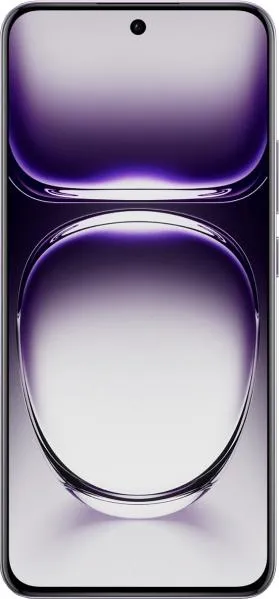
Xiaomi Redmi Note 12 Pro vs. Oppo Reno12 Pro: A Deep Dive
Let's dissect the Xiaomi Redmi Note 12 Pro and the Oppo Reno12 Pro, two compelling mid-range contenders vying for your attention. I'll break down their specs, analyze their real-world performance, and help you decide which phone fits your needs.
1. Specifications Breakdown
| Feature | Xiaomi Redmi Note 12 Pro | Oppo Reno12 Pro | Real-World Implications |
|---|---|---|---|
| Design | |||
| Dimensions (mm) | 163 x 76 x 8 | 161.5 x 74.8 x 7.4 | Reno12 Pro is slightly more compact and thinner. |
| Weight (g) | 187 | 180 | Negligible difference in hand feel. |
| Display | |||
| Size (inches) | 6.67 | 6.7 | Virtually identical screen real estate. |
| Resolution (px) | 1080 x 2400 | 1080 x 2412 | Similar sharpness; pixel density differences are negligible. |
| Type | AMOLED | AMOLED | Both offer vibrant colors and deep blacks. |
| Refresh Rate (Hz) | 120 | 120 | Smooth scrolling and animations on both devices. |
| Peak Brightness | 900 nits | 1200 nits | Reno12 Pro offers significantly better outdoor visibility. |
| Performance | |||
| Chipset | Dimensity 1080 (6nm) | Dimensity 7300(4nm) | Reno12 Pro's newer 4nm chipset should provide better performance and power efficiency. |
| CPU | Octa-core (2x2.6 GHz A78 & 6x2.0 GHz A55) | Octa-core (4x2.5 GHz A78 & 4x2.0 GHz A55) | Reno12 Pro has more powerful cores, leading to faster multitasking and app loading. |
| RAM | 6/8/12GB | 12/16GB | Reno12 Pro offers more RAM in its configurations, benefiting heavy multitaskers. |
| Camera | |||
| Main Camera (MP) | 50 MP (Sony IMX766) | 50 MP (Sony IMX890) | Both have capable sensors; image quality will depend on processing. Reno12 has a newer sensor |
| Ultrawide (MP) | 8 MP | 8 MP | Similar ultrawide capabilities. |
| Telephoto (MP) | N/A | 50 MP | Reno 12 Pro boasts a dedicated telephoto lens for optical zoom, a significant advantage. |
| Selfie Camera (MP) | 16 MP | 32 MP | Reno12 Pro has a higher resolution front-facing camera. |
| Battery | |||
| Capacity (mAh) | 5000 | 4800 | Comparable battery capacities; real-world battery life will depend on usage and optimization. |
2. Key Insights
- Performance: The Reno12 Pro, with its newer Dimensity 7300 processor and ample RAM, pulls ahead in performance, offering smoother multitasking and better handling of demanding tasks.
- Camera: While both phones feature a 50MP primary camera, the Reno12 Pro's dedicated telephoto lens provides optical zoom capabilities, a clear advantage for photography enthusiasts. Its improved video capabilities, including better stabilization, also stand out. The Reno12 Pro has a superior selfie camera, leveraging a higher resolution sensor.
- Display: While both use AMOLED technology, the Reno12 Pro's higher peak brightness makes it easier to use outdoors in bright sunlight.
- Software: The Reno12 Pro ships with a more recent version of Android (14) and has a longer promised software update cycle, ensuring a more up-to-date experience.
3. User Profiles and Recommendations
- Redmi Note 12 Pro: Best for budget-conscious users who prioritize a solid overall experience with a good display and battery life. It's a great option for everyday tasks like social media, web browsing, and casual gaming.
- Reno12 Pro: Ideal for users who demand top-tier performance, advanced camera features (especially zoom and video recording), and a longer software support lifespan. This phone caters to power users, mobile photographers, and content creators.
4. Buying Decision Framework
- What's your budget? The Redmi Note 12 Pro is significantly more affordable.
- Are camera features a priority? The Reno12 Pro offers a superior camera system with a telephoto lens and enhanced video capabilities.
- How important is future-proofing? The Reno12 Pro's newer processor, more RAM, and longer software update cycle make it a more future-proof investment.
My Choice: The Oppo Reno12 Pro
If I were choosing between these two, I'd go with the Oppo Reno12 Pro. The superior performance of the Dimensity 7300, the inclusion of a telephoto lens, brighter display and the longer software update commitment are compelling advantages. While it comes at a higher price, the Reno12 Pro offers a more well-rounded and future-proof package for my needs. I value the extra performance headroom for demanding tasks and appreciate having a versatile camera system with optical zoom capabilities. While the Redmi Note 12 Pro is a solid device, the Reno12 Pro aligns better with my priorities as a tech enthusiast who demands peak performance and cutting-edge features.
