
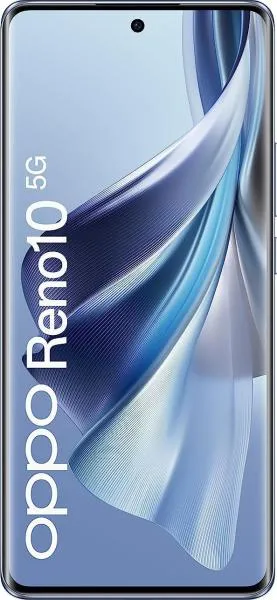
Let's dive into a comprehensive comparison of the Xiaomi Redmi Note 12 Pro and the Oppo Reno10, dissecting their specifications and uncovering what they truly offer the everyday user.
1. Specifications Breakdown
| Feature | Xiaomi Redmi Note 12 Pro | Oppo Reno10 | Real-World Implications |
|---|---|---|---|
| Design | |||
| Dimensions (mm) | 163 x 76 x 8 | 162.4 x 74.2 x 8 | Reno10 slightly more compact |
| Weight (g) | 187 | 185 | Negligible difference in hand feel |
| Fingerprint Sensor | Side-mounted | Under-display | Preference-based; under-display feels more modern |
| Display | |||
| Type | AMOLED | AMOLED | Both offer vibrant colors and deep blacks |
| Size (inches) | 6.67 | 6.7 | Virtually identical screen real estate |
| Resolution | 1080 x 2400 | 1080 x 2412 | Similar sharpness; imperceptible difference in pixel density |
| Refresh Rate (Hz) | 120 | 120 | Smooth scrolling and fluid animations on both |
| HDR | Dolby Vision, HDR10+ | HDR10+ | Redmi Note 12 Pro supports Dolby Vision for potentially enhanced dynamic range |
| Peak Brightness (nits) | 900 (HBM) | 950 | Reno 10 slightly brighter in direct sunlight |
| Performance | |||
| Chipset | Mediatek Dimensity 1080 | Mediatek Dimensity 7050 | Similar performance expected, but benchmarks needed for definitive comparison |
| CPU | Octa-core (2x2.6 GHz A78 & 6x2.0 GHz A55) | Octa-core (2x2.6 GHz A78 & 6x2.0 GHz A55) | Practically identical CPU configurations; real-world performance will depend on optimization |
| GPU | Mali-G68 MC4 | Mali-G68 MC4 | Comparable graphics performance |
| RAM | 6/8/12GB | 8GB | Redmi Note 12 Pro offers more RAM configurations for flexibility |
| Camera | |||
| Main Camera | 50MP (Sony IMX766) | 64MP (Omnivision OV64B) | Reno10 higher resolution; image quality depends on sensor and processing |
| Ultrawide | 8MP | 8MP | Comparable ultrawide capabilities |
| Telephoto | N/A | 32MP (Sony IMX709) | Reno10 offers a dedicated telephoto lens for optical zoom, a significant advantage |
| Selfie | 16MP | 32MP (Sony IMX709) | Reno10 significantly higher resolution selfie camera |
| Battery Life | |||
| Capacity | 5000 mAh | 5000 mAh | Similar battery capacities; actual battery life depends on usage patterns |
2. Key Insights
- Performance: Both phones utilize similar processors and GPUs. Real-world performance differences might be subtle and depend heavily on software optimization. The Redmi Note 12 Pro offers more RAM options, which could benefit power users.
- Camera: The Reno10 boasts a dedicated telephoto lens and a higher-resolution main and selfie camera. This makes it a clear winner for photography enthusiasts. The Redmi Note 12 Pro counters with the renowned Sony IMX766 sensor for its main camera, known for excellent light capture.
- Display: While both feature stunning AMOLED displays with 120Hz refresh rates, the Redmi Note 12 Pro benefits from Dolby Vision support for a wider dynamic range in compatible content. However, the Reno 10 has higher peak brightness.
- Software: The Reno10 ships with Android 13, guaranteeing at least one more major OS update compared to the Redmi Note 12 Pro, which launched with Android 12.
3. User Profiles and Recommendations
- Redmi Note 12 Pro: Best suited for budget-conscious users seeking a well-rounded phone with a great display and solid performance. Its various RAM configurations cater to different needs and budgets.
- Oppo Reno10: Ideal for photography enthusiasts who prioritize camera versatility and quality. The telephoto lens, high-resolution sensors, and improved selfie camera make it a strong contender in the mid-range photography segment. Also good for people who value software updates.
4. Buying Decision Framework
- Is a telephoto lens a must-have? If yes, the Reno10 is the clear choice.
- What's your budget? The Redmi Note 12 Pro generally offers a lower entry price point due to its older release date and variety of configurations.
- How important is software support to you? The Reno10 comes with a more up-to-date OS and will likely receive longer software support.
My Choice
If I were choosing between these two, I'd lean towards the Oppo Reno10. While the performance differences are likely negligible for my usage, the dedicated telephoto lens is a significant advantage. I often find myself needing optical zoom for capturing details in photos, and the Reno10 delivers in this department. The newer OS with longer software support and better selfie camera further solidify its appeal, even if it comes at a slightly higher price. While the Redmi Note 12 Pro offers Dolby Vision, I don't consume enough HDR content to make that a deciding factor. The superior camera capabilities of the Reno10 align better with my personal preferences and photography needs.
