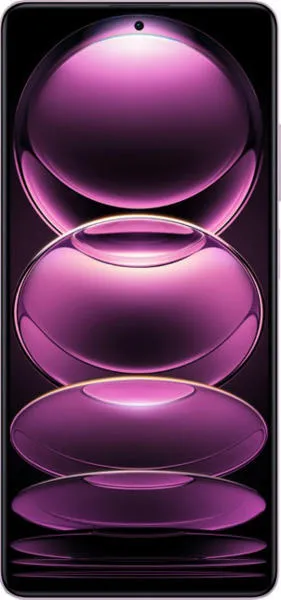
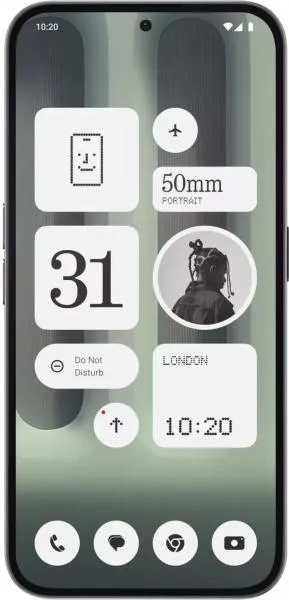
Xiaomi Redmi Note 12 Pro vs. Nothing Phone (2a) Plus: A Comparative Analysis
Let's dive deep into a head-to-head comparison of the Xiaomi Redmi Note 12 Pro and the Nothing Phone (2a) Plus, dissecting their specifications and uncovering what they truly offer the everyday user.
1. Specifications Breakdown
| Feature | Xiaomi Redmi Note 12 Pro | Nothing Phone (2a) Plus | Real-World Implications |
|---|---|---|---|
| Design | |||
| Dimensions (mm) | 163 x 76 x 8 | 161.7 x 76.3 x 8.5 | (2a) Plus slightly shorter and thicker, negligible difference in hand. |
| Weight (g) | 187 | 190 | Negligible weight difference. |
| Build Materials | Glass front/back, plastic frame | Glass front/back, Aluminum frame | (2a) Plus with more premium feel due to aluminum frame |
| Display | |||
| Size (inches) | 6.67 | 6.7 | Virtually identical screen real estate. |
| Resolution (px) | 1080 x 2400 | 1080 x 2412 | Similar sharpness, minimal difference in pixel density. |
| Type | AMOLED | AMOLED | Both offer vibrant colors, deep blacks, and excellent contrast. |
| Refresh Rate (Hz) | 120 | 120 | Smooth scrolling and fluid animations on both. |
| Peak Brightness(nits) | 900 | 1300 | (2a) Plus significantly brighter, better outdoor visibility. |
| HDR | Dolby Vision, HDR10+ | HDR10+ | (12 Pro) supports Dolby Vision for enhanced HDR content, minimal practical difference overall. |
| Performance | |||
| Chipset | Mediatek Dimensity 1080 | Mediatek Dimensity 7350 Pro | (2a) Plus on newer 4nm process, potentially more efficient, similar CPU performance. |
| CPU | Octa-core (2x2.6 GHz A78 & 6x2.0 GHz A55) | Octa-core (2x3.0 GHz A715 & 6x2.0 GHz A510) | (2a) Plus may have better sustained performance, overall similar performance. |
| GPU | Mali-G68 MC4 | Mali-G610 MC4 | (12 Pro) may have a slight edge in graphics performance. |
| RAM (GB) | 6/8/12 | 12 | (2a) Plus configuration offers more RAM for multitasking. |
| Camera | |||
| Main Camera (MP) | 50 (Sony IMX766) | 50 (Samsung GN9) | Both excellent sensors, image quality likely comparable. Requires real-world testing. |
| Ultrawide (MP) | 8 | 50 | (2a) Plus boasts a significantly higher resolution ultrawide. |
| Macro (MP) | 2 | N/A | Dedicated macro on (12 Pro), although low resolution. |
| Selfie (MP) | 16 | 32 | Higher resolution selfie camera on (2a) Plus. |
| Battery Life | |||
| Capacity (mAh) | 5000 | 4700 | Similar battery capacity, real-world usage will determine actual battery life. |
| Charging | 67W Fast Charging | 100W SuperVOOC Charging | Considerably faster charging on the (2a) Plus. |
| Software | |||
| OS | Android 12 | Android 14 | (2a) Plus ships with a newer Android version, longer software support expected. |
2. Key Insights
- Performance: While benchmarks will tell the full story, both phones should offer smooth everyday performance. The (2a) Plus's newer chipset and more RAM might give it an edge in demanding tasks and longevity.
- Display: The (2a) Plus's higher peak brightness is a significant advantage for outdoor readability. While the Redmi Note 12 Pro offers Dolby Vision, the practical difference in HDR viewing might be minimal.
- Camera: The (2a) Plus impresses with its high-resolution ultrawide, potentially offering superior versatility. The Redmi Note 12 Pro's dedicated macro lens, while low resolution, could be appealing to some users. Real-world image comparisons are needed to determine overall camera quality.
- Software & Updates: The Nothing Phone (2a) Plus has a clear advantage with its newer Android version and a commitment to future updates, ensuring a longer lifespan of software support.
- Charging: The (2a) Plus's 100W charging is significantly faster, minimizing downtime.
3. User Profiles and Recommendations
- Redmi Note 12 Pro: Budget-conscious users who prioritize value and a well-rounded feature set. Suitable for everyday tasks, media consumption, and casual photography.
- Nothing Phone (2a) Plus: Users who value a modern design, faster charging, a brighter display, longer software support, and a unique brand identity. Suitable for those who want a more future-proof device and prioritize a clean software experience.
4. Buying Decision Framework
- What's your budget? The Redmi Note 12 Pro is generally more affordable.
- How important is software updates and longevity? The Nothing Phone (2a) Plus has a clear advantage here.
- Are you a heavy user or a casual user? The Nothing Phone (2a) Plus with its more efficient chip, greater RAM, and faster charging might better suit heavy users.
My Choice: I would choose the Nothing Phone (2a) Plus. While the Redmi Note 12 Pro offers excellent value, the (2a) Plus's combination of a modern design, superior display brightness, faster charging, longer software support, more RAM, and a unique brand identity appeals to me. The slightly higher price is justified for the overall package, especially considering the longer-term value of extended software updates and performance. The commitment to three Android OS updates and four years of security updates is a significant factor in my decision, ensuring the device remains relevant and secure for a longer period.
